
Close Menu
KnowYourNarc
    What's Hot
    Relationships

    When Your Manager Is a Narcissist: Spotting Signs & Surviving

    Parents & Family

    Breaking Free: Healing from Narcissistic Parental Control

    Friendships

    How to Spot If Your Friend Might Be a Narcissist

    Subscribe to Updates

    Get The Latest News, Updates, And Amazing Offers

    Important Pages:
    • Home
    • About Us
    • Contact us
    • Privacy Policy
    • Terms & Conditions
    Facebook X (Twitter) Instagram Pinterest
    Facebook X (Twitter) Instagram Pinterest
    KnowYourNarc
    • Understanding Narcissism

      The Painful Dance: Golden Child vs Scapegoat in Narcissistic Families

      June 22, 2025

      Healthy Confidence vs. Narcissism: Key Differences Explained

      June 21, 2025

      How Social Media Fuels Narcissistic Behaviors Today

      June 20, 2025

      Overt vs. Covert Narcissists: Key Differences Explained

      June 19, 2025

      Narcissism in Men vs. Women: Exploring Key Differences

      June 18, 2025
    • Covert Narcissism

      Spotting Covert Narcissism at Work: Key Warning Signs

      August 18, 2025

      Breaking Free: True Tales of Escaping Covert Narc Abuse

      August 17, 2025

      The Subtle Allure of the Covert Narcissist Explained

      August 16, 2025

      Surviving Covert Narcissistic Abuse: True Stories of Hope

      July 1, 2025

      How Covert Narcissists Quietly Win Over Time: A Friendly Guide

      June 30, 2025
    • Communication

      Spotting Triangulation in Narcissistic Talk: A Friendly Guide

      July 2, 2025

      What Is Projection and Why Narcissists Rely on It

      July 1, 2025

      The Power of Narcissistic Rage in Verbal Attacks: Explained

      June 30, 2025

      Breaking Down Circular Conversations with Narcissists

      June 29, 2025

      Breaking the Cycle: Understanding Narcissistic Talk Patterns

      June 28, 2025
    • Parents & Family

      Breaking Free: Healing from Narcissistic Parental Control

      August 17, 2025

      Healing the Hidden Wounds of Narcissistic Family Neglect

      August 16, 2025

      Healing from Narcissistic Parents: Navigating Adult Love

      July 23, 2025

      Gaslighting from a Parent: Recognize It and Begin Healing

      July 22, 2025

      10 Signs You Grew Up with a Narcissistic Parent

      July 21, 2025
    • Friendships

      How Narcissistic Friends Isolate You Using Other People

      August 17, 2025

      Love-Bombing in Friendships: When Closeness Moves Too Fast

      July 2, 2025

      When You’re the Therapist, Not the Friend: Setting Boundaries

      July 1, 2025

      When Envy Hides: The Narcissist in Your Friendship

      June 30, 2025

      When You Outgrow a Narcissistic Friend: What to Expect

      June 29, 2025
    • Relationships

      Spotting Narcissistic Boss Manipulation: Protect Your Soul

      August 24, 2025

      How to Document Abuse from a Narcissistic Boss at Work

      August 23, 2025

      When Your Manager’s a Narcissist: Spot Signs + Survive

      August 22, 2025

      Healing Your Soul: Setting Boundaries with a Narcissistic Parent

      August 21, 2025

      How Narcissistic Moms Shape Daughters’ Fragile Self-Esteem

      August 20, 2025
    • Dating

      Rebuilding Self-Trust: Your Guide Before Dating Again

      January 15, 2026

      Why Taking a Break from Dating Can Be a Smart Power Move

      January 14, 2026

      What Safe and Healthy Love Actually Feels Like: A Guide

      January 13, 2026

      How to Express Your Needs Clearly Without Feeling Afraid

      January 12, 2026

      Breaking Free: How to Avoid Toxic Relationship Patterns

      January 11, 2026
    • NPD

      NPD vs. Healthy Self-Esteem: Key Differences Explained

      August 20, 2025

      Setting Boundaries with Someone Who Has Narcissistic Personality Disorder

      August 19, 2025

      Common Comorbid Disorders Associated with NPD Explained

      August 18, 2025

      Understanding Grandiosity’s Role in Narcissistic Personality Disorder

      August 17, 2025

      Understanding Narcissistic Personality Disorder: A Clear Overview

      July 9, 2025
    • Going No Contact

      How to Stay Strong and Resist Breaking No Contact Rules

      June 16, 2025

      Navigating Mutual Friends After Going No Contact: A Guide

      June 14, 2025

      Creating Self-Care Routines to Maintain Emotional Distance

      June 13, 2025

      Gray Rocking: How to Set Boundaries Without Full No Contact

      June 12, 2025

      Why Going No Contact with Narcissists Is a Game-Changer

      June 11, 2025
    • Red Flags

      How to Recognize If You’re Being Love Bombed: A Guide

      August 20, 2025

      How Toxic People Weaponize Guilt to Manipulate You

      August 19, 2025

      Spotting Control Disguised as Concern: A Clear Warning

      August 18, 2025

      Understanding Triangulation: Toxic Dynamics Explained Clearly

      August 17, 2025

      10 Clear Signs You’re Being Emotionally Manipulated Today

      June 19, 2025
    • Recovery

      Creating a Safe Space for Healing and Emotional Growth at Home

      August 20, 2025

      Healing Forward: Recognize Your Emotional Needs After Narcissism

      August 19, 2025

      Empower Yourself: Thrive with Self-Care and Mindful Choices

      August 18, 2025

      Boost Your Self-Worth: Powerful Affirmations to Rebuild You

      August 17, 2025

      How Group Support Boosts Speedy Emotional Healing

      June 17, 2025
    • Real Stories

      Breaking Free: A Survivor’s Journey from Trauma Bond to Hope

      August 22, 2025

      Unmasking Love: My Journey with a Covert Narcissist

      August 21, 2025

      How I Broke Free from a Narcissistic Relationship Journey

      August 20, 2025

      Healing After Years: My Journey Beyond a Covert Narcissist

      August 19, 2025

      Healing from Narcissistic Parents: My Personal Journey

      August 18, 2025
    KnowYourNarc
    You are at:Home » How Narcissistic Traits Develop in Childhood: Key Insights
    Narcissism

    How Narcissistic Traits Develop in Childhood: Key Insights

    May 24, 2025
    Share Facebook Twitter Pinterest WhatsApp
    How Narcissistic Traits Develop in Childhood: Key Insights
    Share
    Facebook Twitter Pinterest WhatsApp

    Understanding how narcissistic traits develop during childhood is crucial for parents, educators, and mental health professionals alike. These early personality patterns can shape a person’s relationships, self-esteem, and emotional well-being well into adulthood. While some degree of self-focus is natural in childhood, certain behaviors and attitudes may signal the emergence of narcissistic tendencies. In this article, we will explore the key insights into how these traits take root during formative years, examining the psychological, environmental, and social factors that contribute to their development. By gaining a clearer understanding, we can better identify, address, and potentially mitigate the impact of narcissism from an early stage.

    Table of Contents

    • Understanding Early Childhood Influences on Narcissistic Traits
    • The Role of Parenting Styles in Shaping Narcissistic Behaviors
    • Identifying Warning Signs of Developing Narcissism in Children
    • Effective Strategies for Supporting Healthy Emotional Growth
    • Closing Remarks

    Understanding Early Childhood Influences on Narcissistic Traits

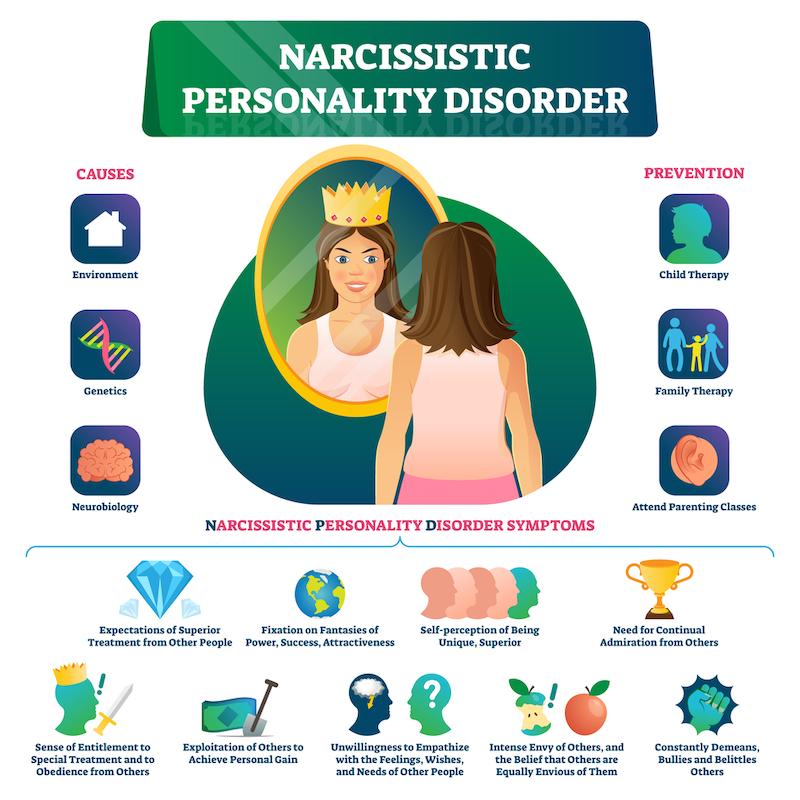
    From the earliest stages of a child’s development, the environment plays a crucial role in shaping personality traits that may later manifest as narcissistic tendencies. Caregivers who either excessively idealize or critically diminish the child contribute to a fragile self-image, prompting the child to overcompensate with superficial confidence or entitlement. Often, these children learn to mask deep-seated insecurities with grandiosity. Inconsistent emotional validation—alternating between neglect and overindulgence—creates a confusing backdrop where genuine self-worth struggles to take root.

    Several key factors influence this developmental pathway, including:

    • Parental overvaluation: When children are made to feel uniquely superior without corresponding achievements, they develop unrealistic self-expectations.
    • Emotional neglect: Lack of empathetic response to a child’s feelings fosters an internal void that narcissistic traits attempt to fill.
    • Modeling behaviors: Exposure to narcissistic adults normalizes self-centered behaviors as a coping mechanism or social strategy.

    The Role of Parenting Styles in Shaping Narcissistic Behaviors

    Parenting styles exert a profound influence on the development of narcissistic behaviors in children, often creating the emotional framework upon which these traits are built. Authoritative parenting, characterized by warmth and structure, tends to foster healthy self-esteem and empathy, reducing the risk of narcissistic tendencies. In contrast, authoritarian or permissive parenting can contribute to maladaptive self-views. Harsh, overly critical approaches may lead a child to overcompensate by developing grandiose self-importance, while inconsistent or indulgent parenting can leave a child seeking excessive validation, hallmarks of narcissistic behavior.

    Key elements in this dynamic often include:

    • Excessive praise or unrealistic expectations that prevent children from processing failure realistically.
    • Emotional neglect or lack of genuine affection, driving children to create a self-image that demands external approval.
    • Modeling behavior where parents themselves exhibit narcissistic traits, normalizing such patterns.

    Understanding these factors within the parenting context is crucial for early intervention, offering pathways to nurture resilience and authentic self-worth rather than entitlement or fragility masked as confidence.

    Identifying Warning Signs of Developing Narcissism in Children

    Understanding the early indicators of narcissistic tendencies in children is crucial for fostering healthy emotional development. Parents and caregivers might notice children displaying an excessive need for admiration and validation, often reacting poorly to criticism or perceived slights. These behaviors can manifest as a consistent demand to be the center of attention, a lack of empathy towards others’ feelings, and an inflated sense of self-importance that seems disproportionate to their age or achievements. Additionally, children may exhibit manipulative behaviors, using charm or deceit to control situations in their favor, along with a persistent refusal to acknowledge mistakes or take responsibility for their actions.

    Recognizing these warning signs early allows for timely intervention and support. Key behaviors to watch for include:

    • Over-sensitivity to criticism – reacting defensively or with anger when corrected.
    • Grandiose fantasies – imagining themselves as superior or entitled to special treatment.
    • Lack of genuine empathy – difficulty understanding or caring about other people’s emotions.
    • Excessive need for admiration – constantly seeking approval and praise.
    • Exploitative behavior – taking advantage of others to achieve personal goals.

    Observing these traits does not guarantee a child will develop narcissism, but sustained patterns warrant professional guidance to encourage healthier emotional frameworks.

    Effective Strategies for Supporting Healthy Emotional Growth

    Fostering emotional well-being in children requires intentional practices that nurture empathy, resilience, and self-awareness. Caregivers can make a profound difference by consistently modeling respectful communication and validating a child’s feelings. When children learn that their emotions are acknowledged without judgment, they develop a stronger sense of security and self-worth. Implementing routines that reinforce positive behavior—such as praising effort rather than innate ability—encourages a growth mindset and reduces tendencies toward entitlement or narcissistic defense mechanisms.

    Additionally, creating a safe environment where children can express vulnerability without fear of criticism is paramount. Encouraging open dialogue about emotions helps youngsters build emotional literacy, equipping them to handle challenges with maturity. Simple yet effective strategies to promote healthy emotional growth include:

    • Active Listening—Giving full attention when a child speaks fosters trust and respect.
    • Consistent Boundaries—Setting clear, fair limits teaches responsibility and self-control.
    • Encouragement of Empathy—Guiding children to recognize and consider others’ feelings reduces self-centered thinking.
    • Mindfulness Practices—Introducing age-appropriate mindfulness exercises enhances emotional regulation.

    Closing Remarks

    Understanding how narcissistic traits develop in childhood is crucial for early intervention and support. By recognizing the underlying factors and environmental influences, parents, educators, and mental health professionals can foster healthier emotional growth and resilience in children. While narcissism can be complex and multifaceted, increasing awareness empowers us to break cycles and promote more balanced, empathetic development. Ultimately, addressing these traits early creates a foundation for healthier relationships and well-being throughout life.

    Share. Facebook Twitter Pinterest WhatsApp
    Previous ArticleHow I Rebuilt My Self-Esteem After Narcissistic Abuse
    Next Article Therapy Insights: Helping Victims Heal from Covert Narcissists

    Related Posts

    Narcissism

    The Painful Dance: Golden Child vs Scapegoat in Narcissistic Families

    Narcissism

    Healthy Confidence vs. Narcissism: Key Differences Explained

    Narcissism

    How Social Media Fuels Narcissistic Behaviors Today

    Narcissism

    Overt vs. Covert Narcissists: Key Differences Explained

    Leave A Reply Cancel Reply

    Stay In Touch
    • Facebook
    • Twitter
    • Instagram
    • Pinterest

    Subscribe to Updates

    Get The Latest News, Updates, And Amazing Offers

    Top Posts
    Dating

    Setting Healthy Boundaries with New Partners: A Guide

    Going No Contact

    Handling Flying Monkeys and Smear Campaigns with Grace

    NPD

    Key Symptoms of Narcissistic Personality Disorder Explained

    Covert Narcissism

    How Covert Narcissists Use Victimhood to Gain Control

    Dating

    How to Express Your Needs Clearly Without Feeling Fear

    About

    The word “narc” is short for narcissist — someone who often puts themselves first, shows little empathy, and can be controlling or emotionally hurtful. Some people like this may have Narcissistic Personality Disorder (NPD), while others just show strong narcissistic behavior.

    KnowYourNarc.com is here to help you recognize this kind of behavior. Whether you’ve been in a relationship with a narcissist, are trying to understand someone in your life, or want to support someone else, this website gives you clear information, support, and tools to protect yourself and heal.

    Subscribe to Updates

    Get The Latest News, Updates, And Amazing Offers

    Our Picks
    Dating May 30, 2025

    Why Taking a Break from Dating Is Actually a Power Move

    Going No Contact June 5, 2025

    How Therapy Supports Your Journey Through No Contact

    Friendships June 1, 2025

    How to Spot & Handle Guilt Trips from Narcissistic Friends

    KnowYourNarc
    Facebook X (Twitter) Instagram Pinterest
    • Home
    • About Us
    • Contact us
    • Privacy Policy
    • Terms & Conditions
    © 2026 KnowYourNarc.

    Type above and press Enter to search. Press Esc to cancel.