Close Menu
KnowYourNarc
    What's Hot
    Communication

    Breaking the Loop: Understanding Circular Talks with Narcissists

    Red Flags

    How Toxic People Manipulate Truth to Always Win

    Dating

    Dating Without Losing Yourself: Finding Balance Again

    Subscribe to Updates

    Get The Latest News, Updates, And Amazing Offers

    Important Pages:
    • Home
    • About Us
    • Contact us
    • Privacy Policy
    • Terms & Conditions
    Facebook X (Twitter) Instagram Pinterest
    Facebook X (Twitter) Instagram Pinterest
    KnowYourNarc
    • Understanding Narcissism

      The Painful Dance: Golden Child vs Scapegoat in Narcissistic Families

      June 22, 2025

      Healthy Confidence vs. Narcissism: Key Differences Explained

      June 21, 2025

      How Social Media Fuels Narcissistic Behaviors Today

      June 20, 2025

      Overt vs. Covert Narcissists: Key Differences Explained

      June 19, 2025

      Narcissism in Men vs. Women: Exploring Key Differences

      June 18, 2025
    • Covert Narcissism

      Spotting Covert Narcissism at Work: Key Warning Signs

      August 18, 2025

      Breaking Free: True Tales of Escaping Covert Narc Abuse

      August 17, 2025

      The Subtle Allure of the Covert Narcissist Explained

      August 16, 2025

      Surviving Covert Narcissistic Abuse: True Stories of Hope

      July 1, 2025

      How Covert Narcissists Quietly Win Over Time: A Friendly Guide

      June 30, 2025
    • Communication

      Spotting Triangulation in Narcissistic Talk: A Friendly Guide

      July 2, 2025

      What Is Projection and Why Narcissists Rely on It

      July 1, 2025

      The Power of Narcissistic Rage in Verbal Attacks: Explained

      June 30, 2025

      Breaking Down Circular Conversations with Narcissists

      June 29, 2025

      Breaking the Cycle: Understanding Narcissistic Talk Patterns

      June 28, 2025
    • Parents & Family

      Breaking Free: Healing from Narcissistic Parental Control

      August 17, 2025

      Healing the Hidden Wounds of Narcissistic Family Neglect

      August 16, 2025

      Healing from Narcissistic Parents: Navigating Adult Love

      July 23, 2025

      Gaslighting from a Parent: Recognize It and Begin Healing

      July 22, 2025

      10 Signs You Grew Up with a Narcissistic Parent

      July 21, 2025
    • Friendships

      How Narcissistic Friends Isolate You Using Other People

      August 17, 2025

      Love-Bombing in Friendships: When Closeness Moves Too Fast

      July 2, 2025

      When You’re the Therapist, Not the Friend: Setting Boundaries

      July 1, 2025

      When Envy Hides: The Narcissist in Your Friendship

      June 30, 2025

      When You Outgrow a Narcissistic Friend: What to Expect

      June 29, 2025
    • Relationships

      Spotting Narcissistic Boss Manipulation: Protect Your Soul

      August 24, 2025

      How to Document Abuse from a Narcissistic Boss at Work

      August 23, 2025

      When Your Manager’s a Narcissist: Spot Signs + Survive

      August 22, 2025

      Healing Your Soul: Setting Boundaries with a Narcissistic Parent

      August 21, 2025

      How Narcissistic Moms Shape Daughters’ Fragile Self-Esteem

      August 20, 2025
    • Dating

      Rebuilding Self-Trust: Your Guide Before Dating Again

      January 15, 2026

      Why Taking a Break from Dating Can Be a Smart Power Move

      January 14, 2026

      What Safe and Healthy Love Actually Feels Like: A Guide

      January 13, 2026

      How to Express Your Needs Clearly Without Feeling Afraid

      January 12, 2026

      Breaking Free: How to Avoid Toxic Relationship Patterns

      January 11, 2026
    • NPD

      NPD vs. Healthy Self-Esteem: Key Differences Explained

      August 20, 2025

      Setting Boundaries with Someone Who Has Narcissistic Personality Disorder

      August 19, 2025

      Common Comorbid Disorders Associated with NPD Explained

      August 18, 2025

      Understanding Grandiosity’s Role in Narcissistic Personality Disorder

      August 17, 2025

      Understanding Narcissistic Personality Disorder: A Clear Overview

      July 9, 2025
    • Going No Contact

      How to Stay Strong and Resist Breaking No Contact Rules

      June 16, 2025

      Navigating Mutual Friends After Going No Contact: A Guide

      June 14, 2025

      Creating Self-Care Routines to Maintain Emotional Distance

      June 13, 2025

      Gray Rocking: How to Set Boundaries Without Full No Contact

      June 12, 2025

      Why Going No Contact with Narcissists Is a Game-Changer

      June 11, 2025
    • Red Flags

      How to Recognize If You’re Being Love Bombed: A Guide

      August 20, 2025

      How Toxic People Weaponize Guilt to Manipulate You

      August 19, 2025

      Spotting Control Disguised as Concern: A Clear Warning

      August 18, 2025

      Understanding Triangulation: Toxic Dynamics Explained Clearly

      August 17, 2025

      10 Clear Signs You’re Being Emotionally Manipulated Today

      June 19, 2025
    • Recovery

      Creating a Safe Space for Healing and Emotional Growth at Home

      August 20, 2025

      Healing Forward: Recognize Your Emotional Needs After Narcissism

      August 19, 2025

      Empower Yourself: Thrive with Self-Care and Mindful Choices

      August 18, 2025

      Boost Your Self-Worth: Powerful Affirmations to Rebuild You

      August 17, 2025

      How Group Support Boosts Speedy Emotional Healing

      June 17, 2025
    • Real Stories

      Breaking Free: A Survivor’s Journey from Trauma Bond to Hope

      August 22, 2025

      Unmasking Love: My Journey with a Covert Narcissist

      August 21, 2025

      How I Broke Free from a Narcissistic Relationship Journey

      August 20, 2025

      Healing After Years: My Journey Beyond a Covert Narcissist

      August 19, 2025

      Healing from Narcissistic Parents: My Personal Journey

      August 18, 2025
    KnowYourNarc
    You are at:Home » Spotting Control Tactics Narcissistic Friends Use Everyday
    Friendships

    Spotting Control Tactics Narcissistic Friends Use Everyday

    May 26, 2025
    Share Facebook Twitter Pinterest WhatsApp
    Spotting Control Tactics Narcissistic Friends Use Everyday
    Share
    Facebook Twitter Pinterest WhatsApp

    Have you ever left a conversation with a friend feeling strangely drained or doubting your own feelings? Sometimes, the people we care about can use subtle control tactics without us even realizing it—especially if they have narcissistic tendencies. These behaviors can slowly chip away at your confidence and sense of self, making everyday interactions feel more like a power struggle than a friendship. In this blog, we’ll explore some of the common control tactics narcissistic friends use in day-to-day life, so you can spot the signs early and protect your emotional well-being. Ready to learn how to recognize these sneaky moves? Let’s dive in!

    Table of Contents

    • Understanding Emotional Manipulation and Gaslighting in Narcissistic Friendships
    • Recognizing Subtle Ways Narcissists Undermine Your Confidence
    • Setting Healthy Boundaries to Protect Your Wellbeing
    • Effective Communication Strategies to Maintain Control Over Your Friendships
    • The Way Forward

    Understanding Emotional Manipulation and Gaslighting in Narcissistic Friendships

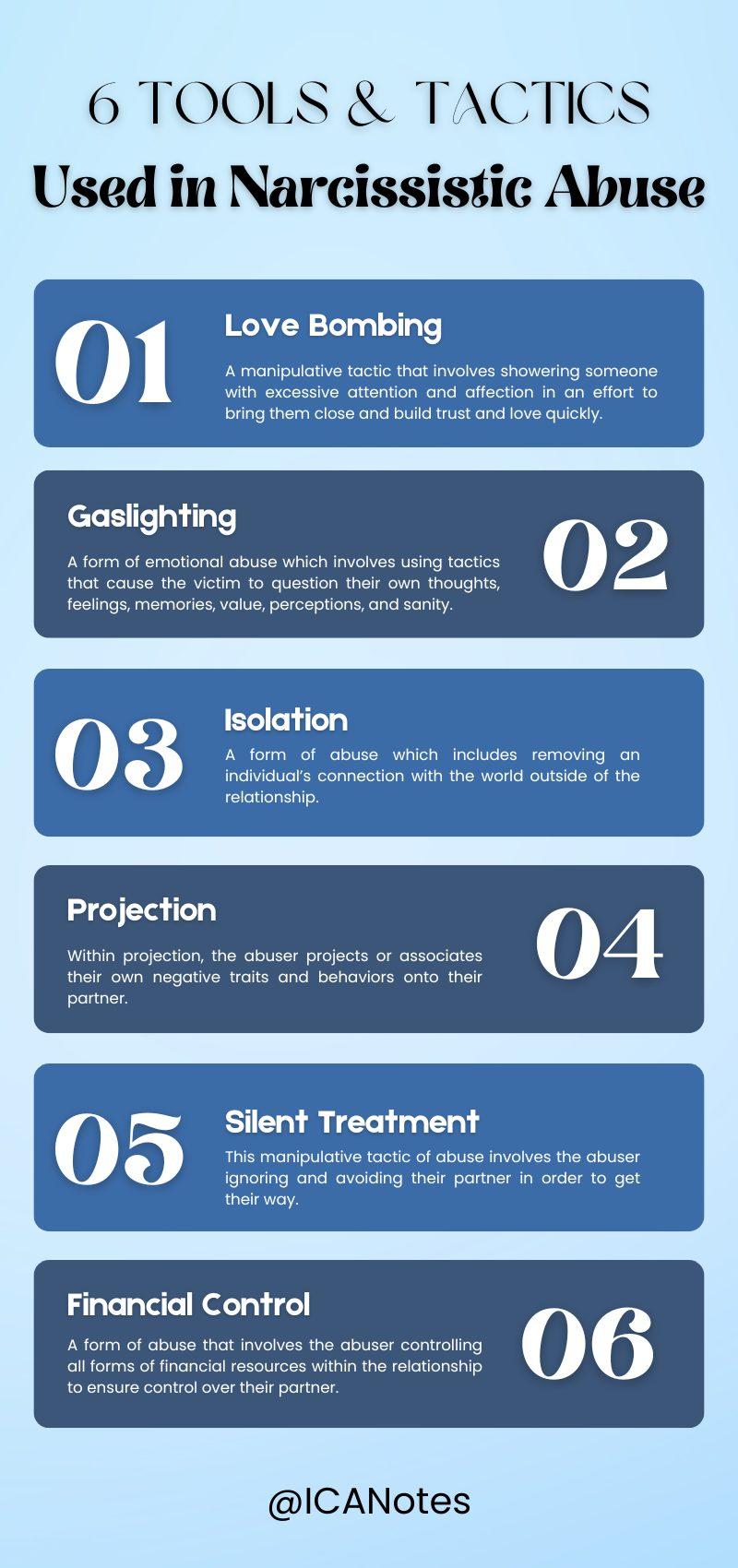
    Emotional manipulation in narcissistic friendships often disguises itself as concern or advice, but underneath lies a subtle yet persistent effort to control your thoughts and feelings. These friends might twist facts, dismiss your emotions, or trivialize your experiences, leaving you second-guessing your own judgment. A common tactic is gaslighting, where they deny things they said or did, making you question your memory or sanity. This kind of psychological manipulation creates a power imbalance, ensuring you feel dependent and less confident in your own reality.

    Recognizing these behaviors early can help you regain control. Look out for signs like:

    • Constant blame-shifting: They never admit fault and make you feel responsible for their actions.
    • Selective memory lapses: Important conversations or promises conveniently “never happened.”
    • Playing the victim: Turning situations around to make themselves the innocent party, despite clear evidence otherwise.
    • Isolating you: Undermining your other friendships and support systems so you rely solely on them.

    By staying mindful of these tactics, you can begin to set boundaries and protect your emotional well-being in friendships that feel more controlling than caring.

    Recognizing Subtle Ways Narcissists Undermine Your Confidence

    One of the sneakiest ways narcissistic friends chip away at your self-esteem is through insidious compliments — remarks that seem flattering on the surface but carry an underlying jab. For example, they might say, “You’re surprisingly good at this for someone like you,” planting doubt about your abilities while masquerading as praise. These backhanded compliments create an internal tug-of-war, leaving you second-guessing your worth while they maintain subtle control over your confidence.

    Another tactic is their consistent use of minimization and dismissiveness. When you share achievements or ideas, they might brush them off with phrases like “Oh, that’s nothing special” or “Anyone could have done that.” These small rejections accumulate, making you feel unseen or undervalued. Over time, this persistent undermining quietly erodes your self-trust and gives them a psychological upper hand, shaping how you view your own capabilities and expression.

    • Subtle digs disguised as humor that target your insecurities.
    • Constant comparisons that leave you feeling inadequate.
    • Feigning concern to question your decisions or feelings.

    Setting Healthy Boundaries to Protect Your Wellbeing

    When navigating relationships with narcissistic friends, protecting your emotional and mental wellbeing becomes paramount. Start by identifying the limits that keep you feeling safe and respected, then communicate these boundaries clearly and confidently. This means learning to say “no” without guilt and recognizing that your time and feelings are valuable. Remember, setting these boundaries isn’t about punishing the other person—it’s about honoring your own needs and creating a space where genuine connection can thrive.

    Some practical boundary-setting strategies include:

    • Establishing clear limits on how much time you spend in emotionally draining interactions.
    • Limiting disclosures about personal challenges that narcissistic friends might exploit.
    • Firmly withdrawing from conversations or situations where manipulation tactics arise.
    • Practicing self-care rituals that reinforce your emotional strength after difficult encounters.

    By embracing these steps, you safeguard your wellbeing while reclaiming your agency in friendships that can often feel one-sided and controlling.

    Effective Communication Strategies to Maintain Control Over Your Friendships

    Maintaining balance in friendships where control tactics are present calls for a blend of assertiveness and empathy. Start by clearly communicating your boundaries — let your friend know what behaviors you will not tolerate while expressing the importance of mutual respect. Use “I” statements like, “I feel uncomfortable when my choices are questioned,” to avoid sounding accusatory and encouraging an open dialogue. Remember, consistency is key; calmly reinforcing your boundaries whenever they are pushed helps diminish manipulative attempts over time.

    Equally vital is practicing active listening to catch subtle power plays early on. Pay attention to patterns such as guilt-tripping, minimization of your feelings, or attempts to gaslight. Keeping a private journal can help track these behaviors and reflect on your emotional responses. To empower yourself further, lean on a trusted support network outside the friendship, where you can share concerns and gain perspective. Ultimately, effective communication isn’t just about talking—it’s about fostering an environment where respect and kindness outweigh control and manipulation.

    • Be clear and consistent with your boundaries.
    • Use “I” statements to express feelings without blame.
    • Watch for repetitive controlling behaviors and document them.
    • Seek support from other friends or a counselor.
    • Foster mutual respect as the foundation of your friendship.

    The Way Forward

    Thanks for sticking with me through this deep dive into the sneaky control tactics narcissistic friends might use every day. Remember, awareness is your first line of defense—once you can spot these behaviors, you can start setting healthier boundaries and protecting your peace. Friendships should uplift and support you, not drain or manipulate you. If you’ve noticed any of these signs in your own circle, trust your instincts and take steps that feel right for you. Here’s to nurturing relationships that truly respect and value the wonderful person you are! Feel free to share your experiences or questions in the comments—I’d love to hear from you. Until next time, take care and keep shining!

    Share. Facebook Twitter Pinterest WhatsApp
    Previous ArticleHow Narcissistic Parents Affect Our Mental Health
    Next Article Why Narcissistic Coworkers Crave Drama and Chaos at Work

    Related Posts

    Friendships

    How Narcissistic Friends Isolate You Using Other People

    Friendships

    Love-Bombing in Friendships: When Closeness Moves Too Fast

    Friendships

    When You’re the Therapist, Not the Friend: Setting Boundaries

    Friendships

    When Envy Hides: The Narcissist in Your Friendship

    Leave A Reply Cancel Reply

    Stay In Touch
    • Facebook
    • Twitter
    • Instagram
    • Pinterest

    Subscribe to Updates

    Get The Latest News, Updates, And Amazing Offers

    Top Posts
    Narcissism

    Narcissism: Personality Disorder or Just a Trait?

    NPD

    Common Comorbid Disorders Frequently Linked to NPD

    Going No Contact

    How to Stay Calm and Manage Unexpected Contact Attempts

    Red Flags

    How Toxic People Distort Truth to Always Come Out on Top

    Dating

    Why Self-Love Matters for Building Healthy Relationships

    About

    The word “narc” is short for narcissist — someone who often puts themselves first, shows little empathy, and can be controlling or emotionally hurtful. Some people like this may have Narcissistic Personality Disorder (NPD), while others just show strong narcissistic behavior.

    KnowYourNarc.com is here to help you recognize this kind of behavior. Whether you’ve been in a relationship with a narcissist, are trying to understand someone in your life, or want to support someone else, this website gives you clear information, support, and tools to protect yourself and heal.

    Subscribe to Updates

    Get The Latest News, Updates, And Amazing Offers

    Our Picks
    Parents & Family July 8, 2025

    Understanding the Golden Child and Scapegoat in Narcissistic Families

    Going No Contact June 9, 2025

    Setting Strong Digital Boundaries: A Friendly Guide to Balance

    Red Flags May 11, 2025

    Why You Feel Crazy Around Toxic People: Understanding the Impact

    KnowYourNarc
    Facebook X (Twitter) Instagram Pinterest
    • Home
    • About Us
    • Contact us
    • Privacy Policy
    • Terms & Conditions
    © 2026 KnowYourNarc.

    Type above and press Enter to search. Press Esc to cancel.