
Close Menu
KnowYourNarc
    What's Hot
    Covert Narcissism

    Spotting Passive-Aggressive Moves of Covert Narcissists

    Parents & Family

    How Narcissistic Parents Shape Dysfunctional Families

    Narcissism

    Are Narcissists Aware of Their Behavior? Exploring Insight

    Subscribe to Updates

    Get The Latest News, Updates, And Amazing Offers

    Important Pages:
    • Home
    • About Us
    • Contact us
    • Privacy Policy
    • Terms & Conditions
    Facebook X (Twitter) Instagram Pinterest
    Facebook X (Twitter) Instagram Pinterest
    KnowYourNarc
    • Understanding Narcissism

      The Painful Dance: Golden Child vs Scapegoat in Narcissistic Families

      June 22, 2025

      Healthy Confidence vs. Narcissism: Key Differences Explained

      June 21, 2025

      How Social Media Fuels Narcissistic Behaviors Today

      June 20, 2025

      Overt vs. Covert Narcissists: Key Differences Explained

      June 19, 2025

      Narcissism in Men vs. Women: Exploring Key Differences

      June 18, 2025
    • Covert Narcissism

      Spotting Covert Narcissism at Work: Key Warning Signs

      August 18, 2025

      Breaking Free: True Tales of Escaping Covert Narc Abuse

      August 17, 2025

      The Subtle Allure of the Covert Narcissist Explained

      August 16, 2025

      Surviving Covert Narcissistic Abuse: True Stories of Hope

      July 1, 2025

      How Covert Narcissists Quietly Win Over Time: A Friendly Guide

      June 30, 2025
    • Communication

      Spotting Triangulation in Narcissistic Talk: A Friendly Guide

      July 2, 2025

      What Is Projection and Why Narcissists Rely on It

      July 1, 2025

      The Power of Narcissistic Rage in Verbal Attacks: Explained

      June 30, 2025

      Breaking Down Circular Conversations with Narcissists

      June 29, 2025

      Breaking the Cycle: Understanding Narcissistic Talk Patterns

      June 28, 2025
    • Parents & Family

      Breaking Free: Healing from Narcissistic Parental Control

      August 17, 2025

      Healing the Hidden Wounds of Narcissistic Family Neglect

      August 16, 2025

      Healing from Narcissistic Parents: Navigating Adult Love

      July 23, 2025

      Gaslighting from a Parent: Recognize It and Begin Healing

      July 22, 2025

      10 Signs You Grew Up with a Narcissistic Parent

      July 21, 2025
    • Friendships

      How Narcissistic Friends Isolate You Using Other People

      August 17, 2025

      Love-Bombing in Friendships: When Closeness Moves Too Fast

      July 2, 2025

      When You’re the Therapist, Not the Friend: Setting Boundaries

      July 1, 2025

      When Envy Hides: The Narcissist in Your Friendship

      June 30, 2025

      When You Outgrow a Narcissistic Friend: What to Expect

      June 29, 2025
    • Relationships

      Spotting Narcissistic Boss Manipulation: Protect Your Soul

      August 24, 2025

      How to Document Abuse from a Narcissistic Boss at Work

      August 23, 2025

      When Your Manager’s a Narcissist: Spot Signs + Survive

      August 22, 2025

      Healing Your Soul: Setting Boundaries with a Narcissistic Parent

      August 21, 2025

      How Narcissistic Moms Shape Daughters’ Fragile Self-Esteem

      August 20, 2025
    • Dating

      Rebuilding Self-Trust: Your Guide Before Dating Again

      January 15, 2026

      Why Taking a Break from Dating Can Be a Smart Power Move

      January 14, 2026

      What Safe and Healthy Love Actually Feels Like: A Guide

      January 13, 2026

      How to Express Your Needs Clearly Without Feeling Afraid

      January 12, 2026

      Breaking Free: How to Avoid Toxic Relationship Patterns

      January 11, 2026
    • NPD

      NPD vs. Healthy Self-Esteem: Key Differences Explained

      August 20, 2025

      Setting Boundaries with Someone Who Has Narcissistic Personality Disorder

      August 19, 2025

      Common Comorbid Disorders Associated with NPD Explained

      August 18, 2025

      Understanding Grandiosity’s Role in Narcissistic Personality Disorder

      August 17, 2025

      Understanding Narcissistic Personality Disorder: A Clear Overview

      July 9, 2025
    • Going No Contact

      How to Stay Strong and Resist Breaking No Contact Rules

      June 16, 2025

      Navigating Mutual Friends After Going No Contact: A Guide

      June 14, 2025

      Creating Self-Care Routines to Maintain Emotional Distance

      June 13, 2025

      Gray Rocking: How to Set Boundaries Without Full No Contact

      June 12, 2025

      Why Going No Contact with Narcissists Is a Game-Changer

      June 11, 2025
    • Red Flags

      How to Recognize If You’re Being Love Bombed: A Guide

      August 20, 2025

      How Toxic People Weaponize Guilt to Manipulate You

      August 19, 2025

      Spotting Control Disguised as Concern: A Clear Warning

      August 18, 2025

      Understanding Triangulation: Toxic Dynamics Explained Clearly

      August 17, 2025

      10 Clear Signs You’re Being Emotionally Manipulated Today

      June 19, 2025
    • Recovery

      Creating a Safe Space for Healing and Emotional Growth at Home

      August 20, 2025

      Healing Forward: Recognize Your Emotional Needs After Narcissism

      August 19, 2025

      Empower Yourself: Thrive with Self-Care and Mindful Choices

      August 18, 2025

      Boost Your Self-Worth: Powerful Affirmations to Rebuild You

      August 17, 2025

      How Group Support Boosts Speedy Emotional Healing

      June 17, 2025
    • Real Stories

      Breaking Free: A Survivor’s Journey from Trauma Bond to Hope

      August 22, 2025

      Unmasking Love: My Journey with a Covert Narcissist

      August 21, 2025

      How I Broke Free from a Narcissistic Relationship Journey

      August 20, 2025

      Healing After Years: My Journey Beyond a Covert Narcissist

      August 19, 2025

      Healing from Narcissistic Parents: My Personal Journey

      August 18, 2025
    KnowYourNarc
    You are at:Home » Unmasking Covert Narcissists: The Humility Disguise
    Covert Narcissism

    Unmasking Covert Narcissists: The Humility Disguise

    May 27, 2025
    Share Facebook Twitter Pinterest WhatsApp
    Unmasking Covert Narcissists: The Humility Disguise
    Share
    Facebook Twitter Pinterest WhatsApp

    Have you ever met someone who seems humble and self-effacing, only to later realize they were quietly steering the spotlight their way all along? Welcome to the puzzling world of covert narcissists. Unlike the classic image of the loud, boastful narcissist, these individuals wear humility like a clever disguise, making it tricky to spot their true intentions. In this article, we’ll peel back the layers of this subtle facade and explore how covert narcissists use modesty to mask their need for admiration—so you can recognize the signs and protect your emotional well-being. Let’s dive in!

    Table of Contents

    • Understanding the Quiet Ego Trap How Covert Narcissists Hide Behind Humility
    • Spotting the Subtle Signs Recognizing Covert Narcissism in Everyday Interactions
    • The Emotional Impact Why Covert Narcissism Can Be More Harmful Than You Think
    • Practical Steps to Protect Yourself Setting Boundaries and Cultivating Self-Awareness
    • Closing Remarks

    Understanding the Quiet Ego Trap How Covert Narcissists Hide Behind Humility

    At first glance, their humble demeanor almost seems genuine, but underneath lies a sophisticated mask that serves to manipulate others’ perceptions. Unlike the stereotypical loud and proud narcissist, these individuals leverage subtlety to maintain control. They often present themselves as modest, self-effacing, and even self-critical—but these traits are carefully curated to avoid conflict and deflect attention from their true motives. This quiet pose effectively blinds those around them, making their need for admiration and validation nearly invisible.

    Becoming aware of this dynamic requires looking beyond surface humility and recognizing key red flags, such as:

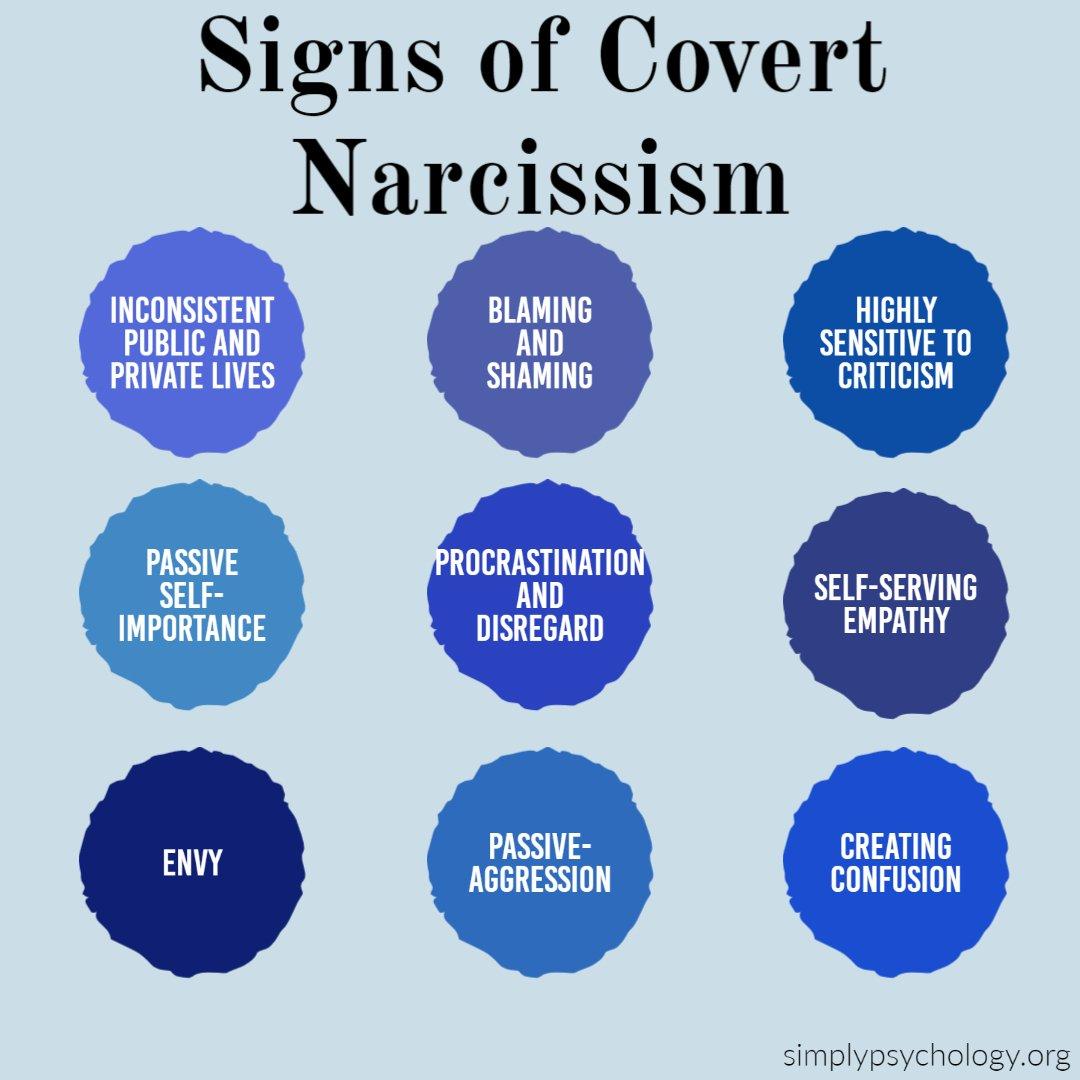
    • Passive-aggressive behavior that undermines others while keeping a facade of innocence.
    • Excessive self-deprecation used to fish for compliments or sympathy.
    • Subtle manipulation disguised as helpfulness or concern.
    • Lack of genuine empathy masked by scripted kindness.

    By understanding this complex duality, you can unearth the silent power plays and protect yourself from emotional exploitation disguised as humility.

    Spotting the Subtle Signs Recognizing Covert Narcissism in Everyday Interactions

    When interacting with someone who might be a covert narcissist, the signals can be surprisingly nuanced. Unlike their overt counterparts, these individuals often mask their self-centeredness behind a veil of humility or shyness. You might notice subtle behaviors like downplaying their achievements while fishing for compliments or always presenting themselves as the “underdog” who quietly deserves recognition. They might also whisper criticisms disguised as self-deprecation, such as “I’m probably not good enough, but…” followed by an expectation that you’ll reassure them otherwise.

    Pay attention to the way they engage in conversations — covert narcissists often employ passive-aggressive tactics, such as:

    • Suddenly withdrawing attention after receiving praise, making you feel you must earn it again.
    • Expressing indirect envy or resentment toward others with a facade of concern.
    • Using gentle guilt-tripping, such as suggesting they’ve sacrificed a lot while downplaying their own needs.

    These subtle hints can easily be overlooked, but recognizing them helps you unmask the humility disguise and better navigate your interactions with emotional clarity.

    The Emotional Impact Why Covert Narcissism Can Be More Harmful Than You Think

    Unlike overt narcissists, who wear their grandiosity like a badge, covert narcissists operate in the shadows, making their emotional manipulation less obvious but equally insidious. Their subtle tactics often leave victims feeling confused, drained, and questioning their own worth. This hidden form of narcissism strikes at the core of a person’s emotional well-being because it twists vulnerability into a weapon. You might find yourself feeling isolated, invalidated, or even guilty for needing support, while the covert narcissist cloaks their control behind a mask of humility and quiet suffering.

    Being entangled with a covert narcissist can erode self-esteem in ways that leave deep scars, often because the emotional abuse is so insidious that it goes unnoticed by friends and family. Signs of this emotional toll include:

    • Chronic self-doubt and confusion about personal feelings
    • Excessive people-pleasing and fear of voicing opinions
    • Emotional exhaustion from walking on eggshells
    • A growing sense of invisibility despite constant alertness

    Understanding the quiet devastation covert narcissism can cause is the first step in reclaiming your emotional health and nurturing genuine relationships grounded in respect and transparency.

    Practical Steps to Protect Yourself Setting Boundaries and Cultivating Self-Awareness

    Establishing clear, firm boundaries is essential when dealing with covert narcissists, who often mask their manipulation under a veil of humility. Start by identifying your non-negotiables—those personal values and needs that you will not compromise on. Communicate these limits calmly and assertively, without feeling the need to justify or apologize. Remember, setting boundaries isn’t about creating walls; it’s about defining your space to protect your emotional well-being. Consistently enforcing these boundaries sends a message that you respect yourself, which covert narcissists find difficult to undermine.

    Equally important is cultivating self-awareness to recognize when your energy is being drained or manipulated. Pay close attention to your emotions and physical responses during interactions—feelings of confusion, guilt, or exhaustion can be red flags. Journaling your experiences or practicing mindfulness can help you tune into these signals. Surround yourself with supportive people who validate your feelings and encourage your growth. These steps empower you to reclaim your narrative, shift the power dynamic, and nurture a healthier relationship with yourself and others.

    Closing Remarks

    Thanks for sticking with me through this deep dive into the world of covert narcissists and their clever humility disguise. It’s tricky terrain, but understanding these hidden behaviors is the first step toward protecting yourself and fostering healthier relationships. Remember, awareness is power—and with it, you can start to see through the mask and nurture connections that truly honor your worth. If this resonated with you, feel free to share your thoughts or experiences below. Until next time, take care and keep shining your authentic light!

    Share. Facebook Twitter Pinterest WhatsApp
    Previous ArticleCovert Narcissism: What It Is and How to Recognize It
    Next Article How Gaslighting Fuels Narcissistic Communication Patterns

    Related Posts

    Covert Narcissism

    Spotting Covert Narcissism at Work: Key Warning Signs

    Covert Narcissism

    Breaking Free: True Tales of Escaping Covert Narc Abuse

    Covert Narcissism

    The Subtle Allure of the Covert Narcissist Explained

    Covert Narcissism

    Surviving Covert Narcissistic Abuse: True Stories of Hope

    Leave A Reply Cancel Reply

    Stay In Touch
    • Facebook
    • Twitter
    • Instagram
    • Pinterest

    Subscribe to Updates

    Get The Latest News, Updates, And Amazing Offers

    Top Posts
    Relationships

    Standing Strong: Setting Boundaries with Narcissistic Bosses

    Parents & Family

    Gaslighting by Narcissistic Parents: Signs and Healing Tips

    Communication

    How Narcissists Use Interruptions to Control Talks

    Friendships

    How Narcissistic Friends Bend the Truth and Why It Hurts

    Narcissism

    Common Traits That Define a Narcissistic Personality

    About

    The word “narc” is short for narcissist — someone who often puts themselves first, shows little empathy, and can be controlling or emotionally hurtful. Some people like this may have Narcissistic Personality Disorder (NPD), while others just show strong narcissistic behavior.

    KnowYourNarc.com is here to help you recognize this kind of behavior. Whether you’ve been in a relationship with a narcissist, are trying to understand someone in your life, or want to support someone else, this website gives you clear information, support, and tools to protect yourself and heal.

    Subscribe to Updates

    Get The Latest News, Updates, And Amazing Offers

    Our Picks
    Covert Narcissism May 23, 2025

    How Covert Narcissists Use Guilt and Shame to Control You

    Friendships June 7, 2025

    How Narcissistic Friends Secretly Turn Every Moment Into a Competition

    Communication June 4, 2025

    Gaslighting & Narcissists: What You Need to Know

    KnowYourNarc
    Facebook X (Twitter) Instagram Pinterest
    • Home
    • About Us
    • Contact us
    • Privacy Policy
    • Terms & Conditions
    © 2026 KnowYourNarc.

    Type above and press Enter to search. Press Esc to cancel.