
Close Menu
KnowYourNarc
    What's Hot
    Parents & Family

    Healing Your Inner Child After Narcissistic Abuse: A Gentle Guide

    Dating

    Green Flags to Spot in a Potential Partner for Healthy Love

    Narcissism

    Spotting Narcissistic Behavior in Daily Life: A Serious Guide

    Subscribe to Updates

    Get The Latest News, Updates, And Amazing Offers

    Important Pages:
    • Home
    • About Us
    • Contact us
    • Privacy Policy
    • Terms & Conditions
    Facebook X (Twitter) Instagram Pinterest
    Facebook X (Twitter) Instagram Pinterest
    KnowYourNarc
    • Understanding Narcissism

      The Painful Dance: Golden Child vs Scapegoat in Narcissistic Families

      June 22, 2025

      Healthy Confidence vs. Narcissism: Key Differences Explained

      June 21, 2025

      How Social Media Fuels Narcissistic Behaviors Today

      June 20, 2025

      Overt vs. Covert Narcissists: Key Differences Explained

      June 19, 2025

      Narcissism in Men vs. Women: Exploring Key Differences

      June 18, 2025
    • Covert Narcissism

      Spotting Covert Narcissism at Work: Key Warning Signs

      August 18, 2025

      Breaking Free: True Tales of Escaping Covert Narc Abuse

      August 17, 2025

      The Subtle Allure of the Covert Narcissist Explained

      August 16, 2025

      Surviving Covert Narcissistic Abuse: True Stories of Hope

      July 1, 2025

      How Covert Narcissists Quietly Win Over Time: A Friendly Guide

      June 30, 2025
    • Communication

      Spotting Triangulation in Narcissistic Talk: A Friendly Guide

      July 2, 2025

      What Is Projection and Why Narcissists Rely on It

      July 1, 2025

      The Power of Narcissistic Rage in Verbal Attacks: Explained

      June 30, 2025

      Breaking Down Circular Conversations with Narcissists

      June 29, 2025

      Breaking the Cycle: Understanding Narcissistic Talk Patterns

      June 28, 2025
    • Parents & Family

      Breaking Free: Healing from Narcissistic Parental Control

      August 17, 2025

      Healing the Hidden Wounds of Narcissistic Family Neglect

      August 16, 2025

      Healing from Narcissistic Parents: Navigating Adult Love

      July 23, 2025

      Gaslighting from a Parent: Recognize It and Begin Healing

      July 22, 2025

      10 Signs You Grew Up with a Narcissistic Parent

      July 21, 2025
    • Friendships

      How Narcissistic Friends Isolate You Using Other People

      August 17, 2025

      Love-Bombing in Friendships: When Closeness Moves Too Fast

      July 2, 2025

      When You’re the Therapist, Not the Friend: Setting Boundaries

      July 1, 2025

      When Envy Hides: The Narcissist in Your Friendship

      June 30, 2025

      When You Outgrow a Narcissistic Friend: What to Expect

      June 29, 2025
    • Relationships

      Spotting Narcissistic Boss Manipulation: Protect Your Soul

      August 24, 2025

      How to Document Abuse from a Narcissistic Boss at Work

      August 23, 2025

      When Your Manager’s a Narcissist: Spot Signs + Survive

      August 22, 2025

      Healing Your Soul: Setting Boundaries with a Narcissistic Parent

      August 21, 2025

      How Narcissistic Moms Shape Daughters’ Fragile Self-Esteem

      August 20, 2025
    • Dating

      Rebuilding Self-Trust: Your Guide Before Dating Again

      January 15, 2026

      Why Taking a Break from Dating Can Be a Smart Power Move

      January 14, 2026

      What Safe and Healthy Love Actually Feels Like: A Guide

      January 13, 2026

      How to Express Your Needs Clearly Without Feeling Afraid

      January 12, 2026

      Breaking Free: How to Avoid Toxic Relationship Patterns

      January 11, 2026
    • NPD

      NPD vs. Healthy Self-Esteem: Key Differences Explained

      August 20, 2025

      Setting Boundaries with Someone Who Has Narcissistic Personality Disorder

      August 19, 2025

      Common Comorbid Disorders Associated with NPD Explained

      August 18, 2025

      Understanding Grandiosity’s Role in Narcissistic Personality Disorder

      August 17, 2025

      Understanding Narcissistic Personality Disorder: A Clear Overview

      July 9, 2025
    • Going No Contact

      How to Stay Strong and Resist Breaking No Contact Rules

      June 16, 2025

      Navigating Mutual Friends After Going No Contact: A Guide

      June 14, 2025

      Creating Self-Care Routines to Maintain Emotional Distance

      June 13, 2025

      Gray Rocking: How to Set Boundaries Without Full No Contact

      June 12, 2025

      Why Going No Contact with Narcissists Is a Game-Changer

      June 11, 2025
    • Red Flags

      How to Recognize If You’re Being Love Bombed: A Guide

      August 20, 2025

      How Toxic People Weaponize Guilt to Manipulate You

      August 19, 2025

      Spotting Control Disguised as Concern: A Clear Warning

      August 18, 2025

      Understanding Triangulation: Toxic Dynamics Explained Clearly

      August 17, 2025

      10 Clear Signs You’re Being Emotionally Manipulated Today

      June 19, 2025
    • Recovery

      Creating a Safe Space for Healing and Emotional Growth at Home

      August 20, 2025

      Healing Forward: Recognize Your Emotional Needs After Narcissism

      August 19, 2025

      Empower Yourself: Thrive with Self-Care and Mindful Choices

      August 18, 2025

      Boost Your Self-Worth: Powerful Affirmations to Rebuild You

      August 17, 2025

      How Group Support Boosts Speedy Emotional Healing

      June 17, 2025
    • Real Stories

      Breaking Free: A Survivor’s Journey from Trauma Bond to Hope

      August 22, 2025

      Unmasking Love: My Journey with a Covert Narcissist

      August 21, 2025

      How I Broke Free from a Narcissistic Relationship Journey

      August 20, 2025

      Healing After Years: My Journey Beyond a Covert Narcissist

      August 19, 2025

      Healing from Narcissistic Parents: My Personal Journey

      August 18, 2025
    KnowYourNarc
    You are at:Home » Unraveling the Link Between Childhood Trauma and NPD
    NPD

    Unraveling the Link Between Childhood Trauma and NPD

    May 27, 2025
    Share Facebook Twitter Pinterest WhatsApp
    Unraveling the Link Between Childhood Trauma and NPD
    Share
    Facebook Twitter Pinterest WhatsApp

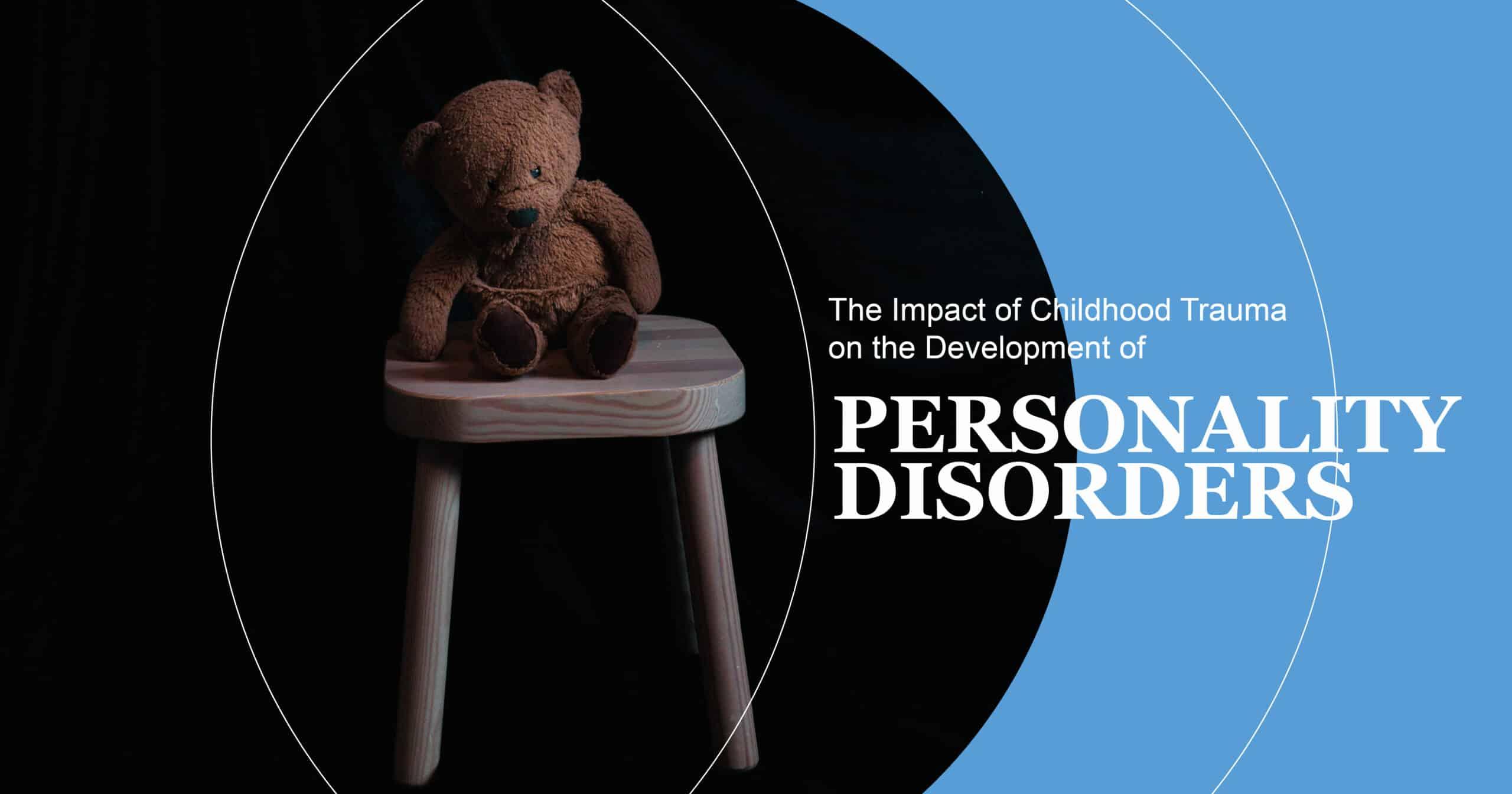
    Childhood experiences shape the foundation of who we become, influencing our emotions, behaviors, and relationships throughout life. Among the complex psychological conditions linked to early life experiences, Narcissistic Personality Disorder (NPD) stands out as particularly perplexing. Often misunderstood and stigmatized, NPD is characterized by patterns of grandiosity, a need for admiration, and a lack of empathy. But what role does childhood trauma play in the development of this disorder? In this article, we’ll explore the emerging research and psychological insights that unravel the intricate connection between childhood trauma and NPD, shedding light on how early wounds can shape the adult psyche in profound ways. Whether you’re a mental health professional, someone seeking to understand a loved one, or simply curious about the roots of personality disorders, this exploration aims to provide clarity and compassion on a challenging topic.

    Table of Contents

    • Understanding Childhood Trauma as a Root Cause of Narcissistic Personality Disorder
    • Exploring Psychological Mechanisms Connecting Early Trauma to NPD Development
    • Identifying Key Behavioral Patterns Stemming from Traumatic Childhood Experiences
    • Effective Therapeutic Approaches and Strategies for Healing NPD Linked to Trauma
    • Insights and Conclusions

    Understanding Childhood Trauma as a Root Cause of Narcissistic Personality Disorder

    Childhood trauma can leave deep, lingering imprints on an individual’s psychological framework. When children endure neglect, abuse, or emotional invalidation, their developing sense of self becomes fragmented. To cope with overwhelming feelings of vulnerability and worthlessness, some may adopt defense mechanisms that later crystallize into narcissistic traits. These behaviors, often characterized by a fragile self-esteem masked by grandiosity, serve as protective shields against the lingering pain of unmet emotional needs. Understanding this root cause reveals why traditional labels and surface behaviors often obscure the true origin of narcissistic personality disorder.

    Key factors linked to childhood trauma that contribute to the emergence of narcissistic features include:

    • Emotional neglect: A lack of validation and affection distorts a child’s ability to internalize self-worth.
    • Inconsistent caregiving: Unpredictability fosters insecurity, compelling the child to seek external validation relentlessly.
    • Physical or psychological abuse: Trauma ingrains a deep-seated belief of inadequacy, which may manifest as exaggerated self-importance.

    Recognizing these underlying wound patterns is crucial for effective therapeutic intervention, shifting the focus from blaming behaviors to healing the core trauma that fuels them.

    Exploring Psychological Mechanisms Connecting Early Trauma to NPD Development

    Delving into the intricate psyche behind Narcissistic Personality Disorder (NPD), we find a mosaic of psychological mechanisms shaped by early traumatic experiences. Childhood trauma often disrupts the formation of a stable self-concept, leading to a fragile sense of identity. This fragility compels individuals to erect grandiose self-images as a defense, fostering an exaggerated need for admiration and validation. Such compensatory behaviors, though outwardly confident, mask profound vulnerabilities stemming from neglect, emotional abuse, or inconsistent caregiving. These early wounds destabilize emotional regulation, prompting maladaptive coping strategies that cement the foundations for NPD traits.

    Several key psychological processes play pivotal roles:

    • Attachment Dysregulation: Disrupted early bonds inhibit the development of secure attachments, causing reliance on external validation to soothe internal insecurities.
    • Emotional Dysregulation: Trauma impairs the ability to manage intense emotions, leading to outbursts or withdrawal that feeds narcissistic defenses.
    • Idealization and Devaluation: A common coping mechanism where the self or others are alternately praised or despised to manage overwhelming emotions.
    • Distorted Self-Perception: Early trauma warps self-awareness, fostering grandiosity as a shield against feelings of worthlessness.

    Identifying Key Behavioral Patterns Stemming from Traumatic Childhood Experiences

    Childhood trauma often leaves deep emotional imprints that manifest in specific behavioral patterns during adulthood. Individuals affected may exhibit a heightened need for control and validation, alongside difficulty in forming authentic emotional connections. These behaviors can be traced back to the survival mechanisms developed to navigate an unpredictable or unsafe environment during formative years. Recognizing these patterns is crucial to understanding how early adverse experiences influence the development of narcissistic traits, often as a shield against vulnerability.

    Common behavioral signals to watch out for include:

    • Excessive self-centeredness: A defense mechanism to mask underlying feelings of insecurity or worthlessness.
    • Difficulty with empathy: Challenges in genuinely relating to others often stem from disrupted emotional development in childhood.
    • Fragile self-esteem: Despite outward confidence, there may be a persistent inner fear of rejection or abandonment.
    • Emotional detachment: Avoidance of deep connections as a protection against potential emotional harm.

    Identifying these patterns provides vital insights not only for diagnosis but also for designing effective therapeutic interventions that address the root causes rather than symptoms alone.

    Effective Therapeutic Approaches and Strategies for Healing NPD Linked to Trauma

    Addressing Narcissistic Personality Disorder (NPD) rooted in childhood trauma requires a nuanced and compassionate approach. Therapists often employ trauma-informed care as the foundation, which prioritizes creating a safe and supportive environment where individuals feel validated rather than judged. This approach allows for establishing trust—an essential step, given that early trauma often impairs the ability to form secure attachments. Techniques such as Eye Movement Desensitization and Reprocessing (EMDR) and Somatic Experiencing can be particularly effective in helping clients process traumatic memories stored in both the mind and body, promoting emotional regulation and reducing defense mechanisms typical in NPD.

    Beyond trauma processing, therapeutic strategies emphasize the development of empathy and self-awareness, crucial deficits in narcissistic personality dynamics. Incorporating modalities like Dialectical Behavior Therapy (DBT) or Mentalization-Based Treatment (MBT) can enhance emotional insight, teaching individuals to recognize how trauma influences their thought patterns and interpersonal behaviors. Key components often include:

    • Building healthier relational skills through role-playing and real-life social interactions
    • Challenging grandiose self-perceptions while fostering genuine self-esteem
    • Encouraging vulnerability and authentic self-expression in a controlled therapeutic setting

    These strategies, paired with patience and consistency, empower those with NPD linked to trauma to gradually reconstruct a more integrated, resilient sense of self.

    Insights and Conclusions

    In unraveling the complex connection between childhood trauma and Narcissistic Personality Disorder, it becomes clear that early adverse experiences can profoundly shape one’s emotional landscape and coping mechanisms. While not everyone who endures trauma develops NPD, understanding these links offers valuable insights for both mental health professionals and those affected. Recognizing the underlying wounds behind narcissistic behaviors opens the door to more compassionate approaches to treatment and recovery. As research continues to evolve, fostering awareness and empathy remains key to supporting healing journeys and breaking cycles of pain.

    Share. Facebook Twitter Pinterest WhatsApp
    Previous ArticleReclaiming Confidence: Steps to Restore Your Self-Worth
    Next Article Building Your Support Network While Going No Contact

    Related Posts

    NPD

    NPD vs. Healthy Self-Esteem: Key Differences Explained

    NPD

    Setting Boundaries with Someone Who Has Narcissistic Personality Disorder

    NPD

    Common Comorbid Disorders Associated with NPD Explained

    NPD

    Understanding Grandiosity’s Role in Narcissistic Personality Disorder

    Leave A Reply Cancel Reply

    Stay In Touch
    • Facebook
    • Twitter
    • Instagram
    • Pinterest

    Subscribe to Updates

    Get The Latest News, Updates, And Amazing Offers

    Top Posts
    Covert Narcissism

    Unmasking Covert Narcissists: Their Sneaky Passive-Aggression

    Going No Contact

    Why Limited Contact Often Fails with Narcissists—Explained

    Recovery

    How to Spot and Avoid Narcissists: Stay Empowered!

    NPD

    Is Narcissistic Personality Disorder Genetic or Learned?

    Dating

    Dating Without Losing Yourself: Finding Balance in Love

    About

    The word “narc” is short for narcissist — someone who often puts themselves first, shows little empathy, and can be controlling or emotionally hurtful. Some people like this may have Narcissistic Personality Disorder (NPD), while others just show strong narcissistic behavior.

    KnowYourNarc.com is here to help you recognize this kind of behavior. Whether you’ve been in a relationship with a narcissist, are trying to understand someone in your life, or want to support someone else, this website gives you clear information, support, and tools to protect yourself and heal.

    Subscribe to Updates

    Get The Latest News, Updates, And Amazing Offers

    Our Picks
    Parents & Family July 13, 2025

    The Golden Child & Scapegoat: Roles in Narcissistic Homes

    Friendships June 25, 2025

    Is Your Friend a Narcissist? Here’s How to Tell Easily

    Red Flags May 22, 2025

    When Others Weaponize Your Insecurities Against You

    KnowYourNarc
    Facebook X (Twitter) Instagram Pinterest
    • Home
    • About Us
    • Contact us
    • Privacy Policy
    • Terms & Conditions
    © 2026 KnowYourNarc.

    Type above and press Enter to search. Press Esc to cancel.