
Close Menu
KnowYourNarc
    What's Hot
    Narcissism

    How to Identify Narcissistic Behavior in Daily Life

    Real Stories

    How I Overcame Silent Treatment and Emotional Manipulation

    Covert Narcissism

    How Covert Narcissists Use Victimhood to Gain Control

    Subscribe to Updates

    Get The Latest News, Updates, And Amazing Offers

    Important Pages:
    • Home
    • About Us
    • Contact us
    • Privacy Policy
    • Terms & Conditions
    Facebook X (Twitter) Instagram Pinterest
    Facebook X (Twitter) Instagram Pinterest
    KnowYourNarc
    • Understanding Narcissism

      The Painful Dance: Golden Child vs Scapegoat in Narcissistic Families

      June 22, 2025

      Healthy Confidence vs. Narcissism: Key Differences Explained

      June 21, 2025

      How Social Media Fuels Narcissistic Behaviors Today

      June 20, 2025

      Overt vs. Covert Narcissists: Key Differences Explained

      June 19, 2025

      Narcissism in Men vs. Women: Exploring Key Differences

      June 18, 2025
    • Covert Narcissism

      Spotting Covert Narcissism at Work: Key Warning Signs

      August 18, 2025

      Breaking Free: True Tales of Escaping Covert Narc Abuse

      August 17, 2025

      The Subtle Allure of the Covert Narcissist Explained

      August 16, 2025

      Surviving Covert Narcissistic Abuse: True Stories of Hope

      July 1, 2025

      How Covert Narcissists Quietly Win Over Time: A Friendly Guide

      June 30, 2025
    • Communication

      Spotting Triangulation in Narcissistic Talk: A Friendly Guide

      July 2, 2025

      What Is Projection and Why Narcissists Rely on It

      July 1, 2025

      The Power of Narcissistic Rage in Verbal Attacks: Explained

      June 30, 2025

      Breaking Down Circular Conversations with Narcissists

      June 29, 2025

      Breaking the Cycle: Understanding Narcissistic Talk Patterns

      June 28, 2025
    • Parents & Family

      Breaking Free: Healing from Narcissistic Parental Control

      August 17, 2025

      Healing the Hidden Wounds of Narcissistic Family Neglect

      August 16, 2025

      Healing from Narcissistic Parents: Navigating Adult Love

      July 23, 2025

      Gaslighting from a Parent: Recognize It and Begin Healing

      July 22, 2025

      10 Signs You Grew Up with a Narcissistic Parent

      July 21, 2025
    • Friendships

      How Narcissistic Friends Isolate You Using Other People

      August 17, 2025

      Love-Bombing in Friendships: When Closeness Moves Too Fast

      July 2, 2025

      When You’re the Therapist, Not the Friend: Setting Boundaries

      July 1, 2025

      When Envy Hides: The Narcissist in Your Friendship

      June 30, 2025

      When You Outgrow a Narcissistic Friend: What to Expect

      June 29, 2025
    • Relationships

      Spotting Narcissistic Boss Manipulation: Protect Your Soul

      August 24, 2025

      How to Document Abuse from a Narcissistic Boss at Work

      August 23, 2025

      When Your Manager’s a Narcissist: Spot Signs + Survive

      August 22, 2025

      Healing Your Soul: Setting Boundaries with a Narcissistic Parent

      August 21, 2025

      How Narcissistic Moms Shape Daughters’ Fragile Self-Esteem

      August 20, 2025
    • Dating

      Rebuilding Self-Trust: Your Guide Before Dating Again

      January 15, 2026

      Why Taking a Break from Dating Can Be a Smart Power Move

      January 14, 2026

      What Safe and Healthy Love Actually Feels Like: A Guide

      January 13, 2026

      How to Express Your Needs Clearly Without Feeling Afraid

      January 12, 2026

      Breaking Free: How to Avoid Toxic Relationship Patterns

      January 11, 2026
    • NPD

      NPD vs. Healthy Self-Esteem: Key Differences Explained

      August 20, 2025

      Setting Boundaries with Someone Who Has Narcissistic Personality Disorder

      August 19, 2025

      Common Comorbid Disorders Associated with NPD Explained

      August 18, 2025

      Understanding Grandiosity’s Role in Narcissistic Personality Disorder

      August 17, 2025

      Understanding Narcissistic Personality Disorder: A Clear Overview

      July 9, 2025
    • Going No Contact

      How to Stay Strong and Resist Breaking No Contact Rules

      June 16, 2025

      Navigating Mutual Friends After Going No Contact: A Guide

      June 14, 2025

      Creating Self-Care Routines to Maintain Emotional Distance

      June 13, 2025

      Gray Rocking: How to Set Boundaries Without Full No Contact

      June 12, 2025

      Why Going No Contact with Narcissists Is a Game-Changer

      June 11, 2025
    • Red Flags

      How to Recognize If You’re Being Love Bombed: A Guide

      August 20, 2025

      How Toxic People Weaponize Guilt to Manipulate You

      August 19, 2025

      Spotting Control Disguised as Concern: A Clear Warning

      August 18, 2025

      Understanding Triangulation: Toxic Dynamics Explained Clearly

      August 17, 2025

      10 Clear Signs You’re Being Emotionally Manipulated Today

      June 19, 2025
    • Recovery

      Creating a Safe Space for Healing and Emotional Growth at Home

      August 20, 2025

      Healing Forward: Recognize Your Emotional Needs After Narcissism

      August 19, 2025

      Empower Yourself: Thrive with Self-Care and Mindful Choices

      August 18, 2025

      Boost Your Self-Worth: Powerful Affirmations to Rebuild You

      August 17, 2025

      How Group Support Boosts Speedy Emotional Healing

      June 17, 2025
    • Real Stories

      Breaking Free: A Survivor’s Journey from Trauma Bond to Hope

      August 22, 2025

      Unmasking Love: My Journey with a Covert Narcissist

      August 21, 2025

      How I Broke Free from a Narcissistic Relationship Journey

      August 20, 2025

      Healing After Years: My Journey Beyond a Covert Narcissist

      August 19, 2025

      Healing from Narcissistic Parents: My Personal Journey

      August 18, 2025
    KnowYourNarc
    You are at:Home » What Is Covert Narcissism and How to Recognize It Early
    Narcissism

    What Is Covert Narcissism and How to Recognize It Early

    May 30, 2025
    Share Facebook Twitter Pinterest WhatsApp
    What Is Covert Narcissism and How to Recognize It Early
    Share
    Facebook Twitter Pinterest WhatsApp

    When we think of narcissism, the image that often comes to mind is someone who is loud, boastful, and craving the spotlight. But what if narcissism isn’t always so obvious? Enter covert narcissism—a more hidden, subtle form of this complex personality trait. Unlike the overt narcissist who demands attention, the covert narcissist operates under a veil of quiet insecurity, masking their deep need for validation in less detectable ways. Recognizing covert narcissism early can be challenging, yet doing so is crucial for navigating relationships and protecting your emotional well-being. In this article, we’ll explore what covert narcissism really is, the signs to watch for, and why early recognition matters.

    Table of Contents

    • Understanding the Subtle Traits of Covert Narcissism
    • Psychological Impacts and Emotional Dynamics of Covert Narcissists
    • Identifying Early Warning Signs in Relationships and Social Interactions
    • Effective Strategies for Addressing and Managing Covert Narcissistic Behavior
    • In Conclusion

    Understanding the Subtle Traits of Covert Narcissism

    Covert narcissism often flies under the radar because it lacks the overt grandiosity typically associated with narcissistic personalities. Unlike the traditional narcissist who openly seeks admiration and validation, the covert type is more likely to express their self-importance through subtle and indirect behaviors. These individuals may appear introverted, sensitive, or even self-effacing on the surface, yet beneath this veneer lies a deep need for special treatment and recognition. Their emotional needs are wrapped in layers of insecurity and vulnerability, often masked by passive-aggressive tendencies or chronic victimhood.

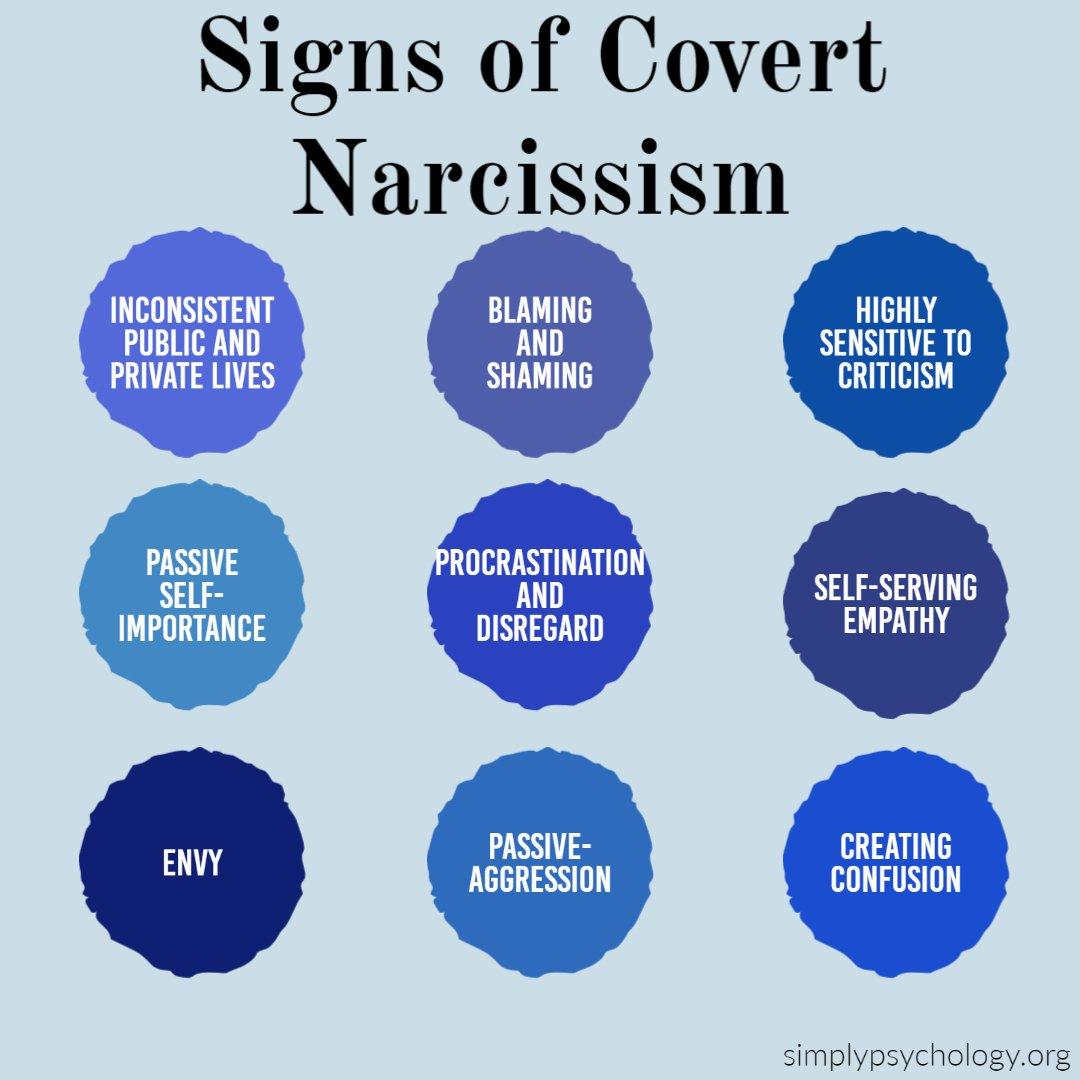
    Recognizing these subtle traits requires a keen eye for behaviors that contradict their outward demeanor. Key indicators include:

    • Quiet entitlement: Expecting special favors or consideration without openly asking for them.
    • Hypersensitivity to criticism: Reacting with disproportionate hurt or withdrawal to even mild feedback.
    • Emotional manipulation: Using guilt or self-pity to influence others.
    • Chronic envy: Harboring resentment toward others’ success while downplaying their own.
    • Self-isolation: Preferring solitude yet resenting being overlooked or forgotten.

    By understanding these subtle signs, it becomes easier to identify covert narcissistic patterns early, which is crucial for maintaining healthy boundaries and relationships.

    Psychological Impacts and Emotional Dynamics of Covert Narcissists

    Living with or being close to someone exhibiting covert narcissistic traits can lead to significant psychological strain. Unlike their overt counterparts, covert narcissists often mask their grandiosity behind a veil of humility or vulnerability, making emotional manipulation subtler yet profoundly damaging. Victims may experience persistent feelings of confusion, self-doubt, and diminished self-worth as the covert narcissist wields silent tactics such as passive-aggression, guilt-tripping, and deliberate withdrawal of affection. Over time, these experiences can cultivate a toxic environment where the victim’s emotional needs are overshadowed by the covert narcissist’s hidden agenda for control and validation.

    Moreover, the emotional dynamics within such relationships are marked by an invisible power imbalance, wherein the covert narcissist silently orchestrates attention and empathy while avoiding direct accountability. This often results in:

    • Emotional exhaustion: Constantly navigating the narcissist’s mixed signals and covert criticisms can leave individuals mentally drained.
    • Heightened anxiety and hypervigilance: Anticipating unpredictable reactions becomes a survival tactic.
    • Isolation: The covert narcissist may subtly undermine the victim’s support networks, fostering dependency.

    Understanding these underlying psychological effects is crucial for early recognition, empowering individuals to set healthier boundaries before these toxic dynamics take a deeper emotional toll.

    Identifying Early Warning Signs in Relationships and Social Interactions

    Recognizing subtle behavioral patterns can be crucial when dealing with covert narcissists, who often mask their self-centeredness behind a veneer of humility or vulnerability. Key indicators include a consistent tendency to deflect blame, an excessive need for reassurance veiled as sensitivity, and passive-aggressive remarks that undermine your confidence. Pay attention to how they respond to your achievements—there may be a pattern of downplaying your successes or quietly competing for sympathy, which can leave you feeling confused and emotionally drained.

    In relationships or social interactions, watch for these early signals that disrupt healthy communication:

    • Chronic victimhood: frequently casting themselves as the unfortunate party while subtly avoiding accountability.
    • Emotional manipulation: using guilt or pity to control decisions and garner attention.
    • Inconsistent empathy: offering concern selectively, often only when it serves their needs.
    • Micro-invalidations: subtly dismissing or minimizing your feelings under the guise of misunderstanding.

    Effective Strategies for Addressing and Managing Covert Narcissistic Behavior

    Successfully navigating relationships with covert narcissists requires a nuanced approach that balances assertiveness with emotional intelligence. One of the most effective strategies is setting clear boundaries. Covert narcissists often exploit ambiguity or emotional vulnerability, so explicitly defining what is acceptable behavior—and calmly enforcing these limits—can significantly reduce their manipulative influence. Equally important is cultivating a strong support network; confiding in trusted friends or professionals lends perspective and emotional resilience, which are essential when dealing with subtle manipulation or gaslighting tactics.

    In addition to boundaries, adopting mindful communication strategies can diffuse potential conflict and minimize harm. This includes using “I” statements to express feelings without provoking defensiveness, and refraining from engaging in their passive-aggressive or guilt-inducing behaviors. Practicing self-care is also critical—making time for activities that restore your mental and emotional energy helps counteract the draining effects of covert narcissistic dynamics. Remember, recognizing early signs allows you to implement these measures sooner, safeguarding your wellbeing before the behavior escalates.

    In Conclusion

    Recognizing covert narcissism early can be challenging, but it’s a crucial step toward protecting your emotional well-being and fostering healthier relationships. By understanding the subtle signs—such as passive-aggressiveness, hypersensitivity, and a constant need for validation—you empower yourself to navigate interactions more mindfully. Remember, covert narcissism often hides beneath a veneer of vulnerability, making awareness all the more important. If you suspect someone in your life exhibits these traits, approach the situation with compassion but maintain clear boundaries. Ultimately, knowledge is your best tool—not only for recognizing covert narcissism but also for promoting self-care and emotional resilience in the face of it.

    Share. Facebook Twitter Pinterest WhatsApp
    Previous ArticleHow Speaking Out About My Narcissistic Abuse Transformed Me
    Next Article The Confusing Charm of the Covert Narcissist Explained

    Related Posts

    Narcissism

    The Painful Dance: Golden Child vs Scapegoat in Narcissistic Families

    Narcissism

    Healthy Confidence vs. Narcissism: Key Differences Explained

    Narcissism

    How Social Media Fuels Narcissistic Behaviors Today

    Narcissism

    Overt vs. Covert Narcissists: Key Differences Explained

    Leave A Reply Cancel Reply

    Stay In Touch
    • Facebook
    • Twitter
    • Instagram
    • Pinterest

    Subscribe to Updates

    Get The Latest News, Updates, And Amazing Offers

    Top Posts
    Narcissism

    Exploring Narcissism: Understanding the Spectrum of Traits

    Communication

    The Power of Narcissistic Rage in Verbal Attacks Unpacked

    Real Stories

    How Community Support Shaped My Healing Journey

    Dating

    What Safe and Healthy Love Actually Feels Like: A Guide

    Dating

    What Safe and Healthy Love Truly Feels Like: A Guide

    About

    The word “narc” is short for narcissist — someone who often puts themselves first, shows little empathy, and can be controlling or emotionally hurtful. Some people like this may have Narcissistic Personality Disorder (NPD), while others just show strong narcissistic behavior.

    KnowYourNarc.com is here to help you recognize this kind of behavior. Whether you’ve been in a relationship with a narcissist, are trying to understand someone in your life, or want to support someone else, this website gives you clear information, support, and tools to protect yourself and heal.

    Subscribe to Updates

    Get The Latest News, Updates, And Amazing Offers

    Our Picks
    Narcissism June 21, 2025

    Healthy Confidence vs. Narcissism: Key Differences Explained

    Covert Narcissism May 11, 2025

    Spotting Passive-Aggressive Moves of Covert Narcissists

    Parents & Family June 1, 2025

    Spotting Narcissistic Parenting: Signs to Recognize Early

    KnowYourNarc
    Facebook X (Twitter) Instagram Pinterest
    • Home
    • About Us
    • Contact us
    • Privacy Policy
    • Terms & Conditions
    © 2026 KnowYourNarc.

    Type above and press Enter to search. Press Esc to cancel.