Close Menu
KnowYourNarc
    What's Hot
    Real Stories

    Unmasking Love: When My Partner Turned Out Covert Narcissist

    Real Stories

    My Journey with No Contact: Finding Peace After the Chaos

    Recovery

    Empower Yourself: Thrive with Self-Care and Mindful Choices

    Subscribe to Updates

    Get The Latest News, Updates, And Amazing Offers

    Important Pages:
    • Home
    • About Us
    • Contact us
    • Privacy Policy
    • Terms & Conditions
    Facebook X (Twitter) Instagram Pinterest
    Facebook X (Twitter) Instagram Pinterest
    KnowYourNarc
    • Understanding Narcissism

      The Painful Dance: Golden Child vs Scapegoat in Narcissistic Families

      June 22, 2025

      Healthy Confidence vs. Narcissism: Key Differences Explained

      June 21, 2025

      How Social Media Fuels Narcissistic Behaviors Today

      June 20, 2025

      Overt vs. Covert Narcissists: Key Differences Explained

      June 19, 2025

      Narcissism in Men vs. Women: Exploring Key Differences

      June 18, 2025
    • Covert Narcissism

      Spotting Covert Narcissism at Work: Key Warning Signs

      August 18, 2025

      Breaking Free: True Tales of Escaping Covert Narc Abuse

      August 17, 2025

      The Subtle Allure of the Covert Narcissist Explained

      August 16, 2025

      Surviving Covert Narcissistic Abuse: True Stories of Hope

      July 1, 2025

      How Covert Narcissists Quietly Win Over Time: A Friendly Guide

      June 30, 2025
    • Communication

      Spotting Triangulation in Narcissistic Talk: A Friendly Guide

      July 2, 2025

      What Is Projection and Why Narcissists Rely on It

      July 1, 2025

      The Power of Narcissistic Rage in Verbal Attacks: Explained

      June 30, 2025

      Breaking Down Circular Conversations with Narcissists

      June 29, 2025

      Breaking the Cycle: Understanding Narcissistic Talk Patterns

      June 28, 2025
    • Parents & Family

      Breaking Free: Healing from Narcissistic Parental Control

      August 17, 2025

      Healing the Hidden Wounds of Narcissistic Family Neglect

      August 16, 2025

      Healing from Narcissistic Parents: Navigating Adult Love

      July 23, 2025

      Gaslighting from a Parent: Recognize It and Begin Healing

      July 22, 2025

      10 Signs You Grew Up with a Narcissistic Parent

      July 21, 2025
    • Friendships

      How Narcissistic Friends Isolate You Using Other People

      August 17, 2025

      Love-Bombing in Friendships: When Closeness Moves Too Fast

      July 2, 2025

      When You’re the Therapist, Not the Friend: Setting Boundaries

      July 1, 2025

      When Envy Hides: The Narcissist in Your Friendship

      June 30, 2025

      When You Outgrow a Narcissistic Friend: What to Expect

      June 29, 2025
    • Relationships

      Spotting Narcissistic Boss Manipulation: Protect Your Soul

      August 24, 2025

      How to Document Abuse from a Narcissistic Boss at Work

      August 23, 2025

      When Your Manager’s a Narcissist: Spot Signs + Survive

      August 22, 2025

      Healing Your Soul: Setting Boundaries with a Narcissistic Parent

      August 21, 2025

      How Narcissistic Moms Shape Daughters’ Fragile Self-Esteem

      August 20, 2025
    • Dating

      Rebuilding Self-Trust: Your Guide Before Dating Again

      January 15, 2026

      Why Taking a Break from Dating Can Be a Smart Power Move

      January 14, 2026

      What Safe and Healthy Love Actually Feels Like: A Guide

      January 13, 2026

      How to Express Your Needs Clearly Without Feeling Afraid

      January 12, 2026

      Breaking Free: How to Avoid Toxic Relationship Patterns

      January 11, 2026
    • NPD

      NPD vs. Healthy Self-Esteem: Key Differences Explained

      August 20, 2025

      Setting Boundaries with Someone Who Has Narcissistic Personality Disorder

      August 19, 2025

      Common Comorbid Disorders Associated with NPD Explained

      August 18, 2025

      Understanding Grandiosity’s Role in Narcissistic Personality Disorder

      August 17, 2025

      Understanding Narcissistic Personality Disorder: A Clear Overview

      July 9, 2025
    • Going No Contact

      How to Stay Strong and Resist Breaking No Contact Rules

      June 16, 2025

      Navigating Mutual Friends After Going No Contact: A Guide

      June 14, 2025

      Creating Self-Care Routines to Maintain Emotional Distance

      June 13, 2025

      Gray Rocking: How to Set Boundaries Without Full No Contact

      June 12, 2025

      Why Going No Contact with Narcissists Is a Game-Changer

      June 11, 2025
    • Red Flags

      How to Recognize If You’re Being Love Bombed: A Guide

      August 20, 2025

      How Toxic People Weaponize Guilt to Manipulate You

      August 19, 2025

      Spotting Control Disguised as Concern: A Clear Warning

      August 18, 2025

      Understanding Triangulation: Toxic Dynamics Explained Clearly

      August 17, 2025

      10 Clear Signs You’re Being Emotionally Manipulated Today

      June 19, 2025
    • Recovery

      Creating a Safe Space for Healing and Emotional Growth at Home

      August 20, 2025

      Healing Forward: Recognize Your Emotional Needs After Narcissism

      August 19, 2025

      Empower Yourself: Thrive with Self-Care and Mindful Choices

      August 18, 2025

      Boost Your Self-Worth: Powerful Affirmations to Rebuild You

      August 17, 2025

      How Group Support Boosts Speedy Emotional Healing

      June 17, 2025
    • Real Stories

      Breaking Free: A Survivor’s Journey from Trauma Bond to Hope

      August 22, 2025

      Unmasking Love: My Journey with a Covert Narcissist

      August 21, 2025

      How I Broke Free from a Narcissistic Relationship Journey

      August 20, 2025

      Healing After Years: My Journey Beyond a Covert Narcissist

      August 19, 2025

      Healing from Narcissistic Parents: My Personal Journey

      August 18, 2025
    KnowYourNarc
    You are at:Home » How to Recognize When You’re Being Blamed for Everything
    Red Flags

    How to Recognize When You’re Being Blamed for Everything

    June 1, 2025
    Share Facebook Twitter Pinterest WhatsApp
    How to Recognize When You’re Being Blamed for Everything
    Share
    Facebook Twitter Pinterest WhatsApp

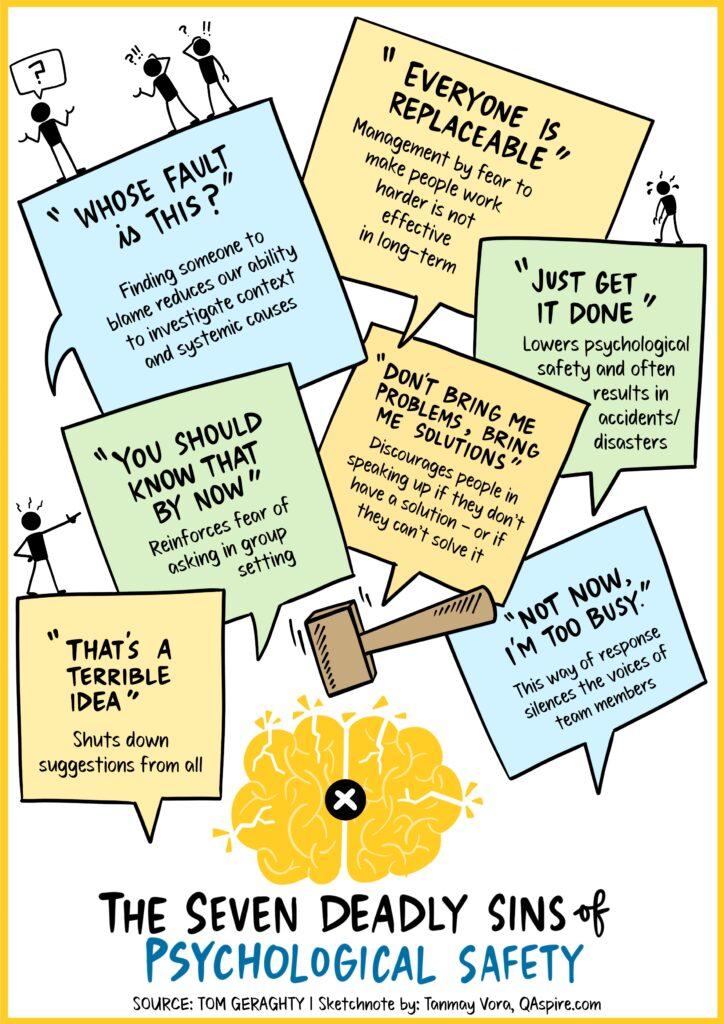
    In relationships, workplaces, and social circles, feeling unfairly targeted can be deeply unsettling. Sometimes, no matter the situation, it seems like everything that goes wrong lands squarely on your shoulders. Recognizing when you’re being blamed for everything is the first step toward protecting your emotional well-being and setting healthy boundaries. In this article, we’ll explore the subtle signs that indicate you might be taking the fall unfairly, why this happens, and how to respond effectively without damaging your self-worth or relationships. If you’ve ever felt like the constant scapegoat, this guide is for you.

    Table of Contents

    • Understanding the Signs of Unfair Blame in Personal and Professional Relationships
    • Analyzing the Impact of Constant Blame on Your Mental Health and Self-Esteem
    • Strategies for Responding Constructively When You Feel Unjustly Accused
    • Building Boundaries and Communicating Assertively to Protect Yourself from Blame Shifting
    • Key Takeaways

    Understanding the Signs of Unfair Blame in Personal and Professional Relationships

    One of the most subtle indicators that you might be unfairly shouldering blame is when issues arise frequently, yet your input or context is consistently ignored. You may notice a pattern where complex situations are oversimplified, and the focus is drawn solely to your mistakes, almost as if you are a convenient scapegoat. This often leads to feelings of isolation and frustration because the accountability is one-sided, without any acknowledgment of shared responsibility.

    Other key signs include:

    • Lack of specific feedback: Receiving vague accusations without clear examples or constructive suggestions.
    • Revised narratives: Others may recount events differently, minimizing their own role and amplifying your actions.
    • Emotional manipulation: Blame is used as a tool to control, deflect criticism, or avoid confrontation.
    • Dismissal of your perspective: Your explanations or defenses are brushed aside or deemed irrelevant.

    Recognizing these signs early helps you navigate tricky dynamics more effectively and assert your voice where it truly matters.

    Analyzing the Impact of Constant Blame on Your Mental Health and Self-Esteem

    Consistently bearing the brunt of blame can significantly erode your mental well-being over time. When fault is perpetually assigned to you without justification, it triggers chronic stress and self-doubt, making it difficult to maintain a balanced perspective about yourself. This never-ending cycle of criticism often leads to anxiety, feelings of helplessness, and even depression, as your mind starts internalizing negativity that should never have been yours to carry. The psychological toll is compounded by isolation, as people may distance themselves, perceiving you as flawed or problematic — deepening a sense of loneliness and disconnection.

    Moreover, long-term exposure to constant blame severely damages your self-esteem. You may find yourself grappling with:

    • A distorted self-image that magnifies flaws while dismissing strengths
    • A pervasive fear of making mistakes, causing paralysis or avoidance
    • A diminished confidence that hampers personal and professional growth

    Embracing self-compassion and setting clear boundaries are essential first steps to protect your mental health and rebuild your sense of worth. Recognizing these harmful patterns is crucial — because you deserve healthier relationships where accountability is shared fairly, not unfairly dumped on your shoulders.

    Strategies for Responding Constructively When You Feel Unjustly Accused

    When you find yourself unfairly targeted with accusations, the initial impulse might be to respond defensively or even angrily. However, maintaining composure can transform a potentially volatile encounter into an opportunity for clarity and resolution. Start by pausing to assess the situation objectively—acknowledge your feelings but avoid reacting impulsively. Taking a deep breath and giving yourself a moment to process helps in preventing escalation. It’s essential to listen attentively to the accuser’s points without interruption, as this demonstrates respect and opens the door to meaningful dialogue.

    Next, focus on crafting a response that fosters understanding rather than confrontation. Some effective tactics include:

    • Requesting specifics: Politely ask for concrete examples to understand the basis of the accusations better.
    • Using “I” statements: Express your perspective by focusing on your feelings and experiences to avoid sounding accusatory.
    • Setting boundaries: Calmly articulate that unjust blame is not acceptable while remaining open to discussing genuine concerns.
    • Seeking mediation: If the situation feels overwhelming, suggest involving a neutral third party to facilitate communication.

    By adopting these strategies, you reaffirm your self-respect and encourage accountability while preserving the possibility of repairing trust and understanding in your relationships.

    Building Boundaries and Communicating Assertively to Protect Yourself from Blame Shifting

    Creating and maintaining clear boundaries is essential when dealing with individuals who habitually shift blame. It begins with understanding your own limits—knowing what behavior is unacceptable and standing firm when those lines are approached or crossed. Instead of internalizing misplaced accusations, practice detaching emotionally from unjust criticism. This mindset shift empowers you to respond calmly and rationally, rather than reacting defensively or absorbing the blame. Remember, your responsibility ends where unfairness begins.

    Communicating assertively is key to protecting yourself effectively. This involves expressing your feelings and needs honestly without aggression or submission. Use statements like:

    • “I understand your perspective, but I disagree with the conclusion.”
    • “I am accountable for my actions, but I won’t accept blame for things outside my control.”
    • “Let’s discuss how we can solve this issue without placing blame.”

    Such responses not only clarify your stance but also shift the focus from personal attacks to constructive dialogue, reshaping the interaction before it escalates. Consistently applying these techniques builds a protective framework where you are less vulnerable to being unjustly targeted.

    Key Takeaways

    Recognizing when you’re being unfairly blamed for everything is never easy, but it’s an essential step toward protecting your mental health and setting healthy boundaries. By staying aware of the signs and trusting your instincts, you can begin to navigate these challenging dynamics with more clarity and confidence. Remember, you deserve to be treated with respect and fairness—not held accountable for situations beyond your control. If you find yourself constantly shouldering blame, take a step back, seek support, and consider reaching out to a trusted friend or professional. Empowering yourself with awareness is the first move toward breaking free from the cycle and reclaiming your peace.

    Share. Facebook Twitter Pinterest WhatsApp
    Previous ArticleNo Contact vs. Gray Rock: Key Differences Explained Simply
    Next Article Break Free: Stop Ruminating & Heal from Trauma Bonds

    Related Posts

    Red Flags

    How to Recognize If You’re Being Love Bombed: A Guide

    Red Flags

    How Toxic People Weaponize Guilt to Manipulate You

    Red Flags

    Spotting Control Disguised as Concern: A Clear Warning

    Red Flags

    Understanding Triangulation: Toxic Dynamics Explained Clearly

    Leave A Reply Cancel Reply

    Stay In Touch
    • Facebook
    • Twitter
    • Instagram
    • Pinterest

    Subscribe to Updates

    Get The Latest News, Updates, And Amazing Offers

    Top Posts
    Real Stories

    How I Overcame Silent Treatment and Emotional Manipulation

    Relationships

    Surviving Narcissistic Leaders: HR’s Emotional Journey

    Relationships

    When Your Manager is a Narcissist: Spotting Signs & Survival Tips

    Communication

    Gaslighting & Narcissists: What You Need to Know

    Friendships

    Why Narcissistic Friends Struggle with Your Boundaries

    About

    The word “narc” is short for narcissist — someone who often puts themselves first, shows little empathy, and can be controlling or emotionally hurtful. Some people like this may have Narcissistic Personality Disorder (NPD), while others just show strong narcissistic behavior.

    KnowYourNarc.com is here to help you recognize this kind of behavior. Whether you’ve been in a relationship with a narcissist, are trying to understand someone in your life, or want to support someone else, this website gives you clear information, support, and tools to protect yourself and heal.

    Subscribe to Updates

    Get The Latest News, Updates, And Amazing Offers

    Our Picks
    Parents & Family June 20, 2025

    Why Narcissistic Parents Struggle to Feel Their Kids’ Emotions

    Communication May 27, 2025

    How Gaslighting Fuels Narcissistic Communication Patterns

    Real Stories May 22, 2025

    Growing Up with a Narcissist: Healing My Childhood Journey

    KnowYourNarc
    Facebook X (Twitter) Instagram Pinterest
    • Home
    • About Us
    • Contact us
    • Privacy Policy
    • Terms & Conditions
    © 2026 KnowYourNarc.

    Type above and press Enter to search. Press Esc to cancel.