
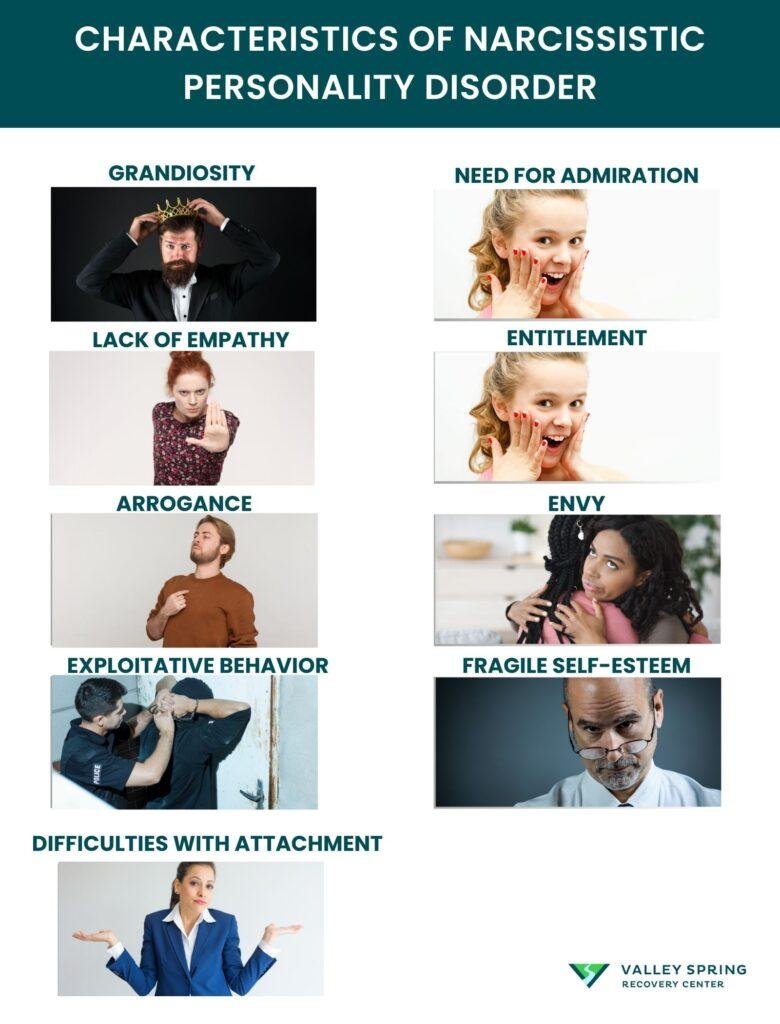
When most people hear about Narcissistic Personality Disorder (NPD), they often picture someone who is overtly arrogant, boastful, and self-centered. But is arrogance truly a defining trait of NPD? Can someone have this complex personality disorder without coming across as openly pompous or conceited? In this article, we’ll explore the less obvious sides of NPD, unpack the key characteristics, and clarify whether a lack of blatant arrogance means someone can’t have Narcissistic Personality Disorder. Whether you’re a student of psychology, a professional, or simply curious, understanding the nuances of NPD beyond the stereotypes can shed light on this often misunderstood condition.
Table of Contents
- Understanding Narcissistic Personality Disorder Beyond Arrogance
- Recognizing Subtle Signs of NPD in Everyday Behavior
- The Psychological Reasons Behind Low-Arrogance NPD Presentations
- Effective Strategies for Supporting Individuals with Hidden NPD Traits
- Insights and Conclusions
Understanding Narcissistic Personality Disorder Beyond Arrogance
Narcissistic Personality Disorder (NPD) is often misunderstood because popular culture tends to equate it directly with arrogance and overt self-importance. However, this disorder encompasses a much broader spectrum of behaviors and emotional struggles. Individuals with NPD may not necessarily exhibit loud bragging or boastfulness. Instead, they might present more subtle signs such as deep insecurities masked behind a facade of confidence or emotional hypersensitivity to criticism. These quieter manifestations make it challenging to identify NPD without looking beyond stereotypes.
It’s important to recognize that people with NPD can display a range of characteristics that don’t always align with the typical image of arrogance. Some of these include:
- Grandiose fantasies: Daydreaming about unlimited success or ideal love without necessarily showing it outwardly.
- Vulnerability under the surface: Feelings of emptiness and low self-esteem that are carefully hidden.
- Passive-aggressive behavior: Indirect expressions of frustration rather than blatant self-centeredness.
- Excessive need for validation: Seeking approval through subtle manipulation rather than overt demands.
Understanding these nuances promotes empathy and more effective support for those struggling with the disorder.
Recognizing Subtle Signs of NPD in Everyday Behavior
Not all individuals with Narcissistic Personality Disorder (NPD) wear their grandiosity on their sleeves. Some exhibit a quieter, more subtle form of narcissism that can easily be overlooked or misunderstood. Instead of overt arrogance, these individuals may mask their self-importance through behaviors that seem humble or even self-deprecating at times. However, beneath this facade often lies a deep need for validation and a fragile sense of self-worth. For instance, they might frequently fish for compliments in indirect ways or become noticeably uncomfortable when others receive praise.
Recognizing these subtle signs requires a keen eye for patterns in everyday interactions. Look out for tendencies such as:
- Passive-aggressive remarks that undermine others while appearing inconspicuous.
- Excessive sensitivity to perceived slights, even in casual conversations.
- Chronic need to be the center of attention without overt boasts.
- Lack of genuine empathy masked by seemingly polite or considerate behavior.
These nuanced indicators reveal that NPD is not always about loud arrogance—it can manifest in quieter, more calculated ways that challenge traditional stereotypes.
The Psychological Reasons Behind Low-Arrogance NPD Presentations
Individuals with Narcissistic Personality Disorder (NPD) often challenge the stereotype of loud, boastful arrogance. Instead, some present with a subtle, less conspicuous form of narcissism, characterized by low-arrogance behaviors. This divergence is frequently rooted in deep psychological defense mechanisms where overt arrogance is replaced by hypervigilance and internalized feelings of vulnerability. These individuals might appear humble or even self-effacing on the surface, yet internally they wrestle with fragile self-esteem and a profound need for validation. The disparity between their external demeanor and internal reality reflects a complex effort to mask feelings of shame or fear of rejection.
Several underlying psychological factors contribute to this low-arrogance manifestation:
- Early relational trauma: Experiences of neglect or inconsistent affection can cause narcissistic traits to manifest as guarded modesty rather than overt arrogance.
- Adaptive social strategies: Some use humility as a social camouflage to gain acceptance or avoid conflict, effectively softening the typical narcissistic image.
- Internalized criticism: High levels of self-criticism may suppress overt grandiosity, leading to a subdued, defensive presentation.
Recognizing these nuances is essential for accurate diagnosis and empathetic intervention, as those with low-arrogance NPD may be underestimated or misunderstood in both clinical settings and everyday life.
Effective Strategies for Supporting Individuals with Hidden NPD Traits
Supporting individuals with hidden Narcissistic Personality Disorder (NPD) traits requires a nuanced approach that respects their vulnerability while addressing core behavioral patterns. Unlike overt narcissists, those with covert tendencies may struggle with intense self-doubt and hypersensitivity to criticism, masking their grandiosity behind quiet withdrawal or passive-aggressiveness. Effective support involves creating a safe space where they feel validated without encouraging entitlement. This balance is key to fostering genuine self-awareness and promoting healthier interpersonal dynamics.
Practical strategies include:
- Active listening: Reflect feelings without immediate judgment or advice to build trust.
- Setting consistent boundaries: Clearly define acceptable behavior while maintaining compassion.
- Encouraging empathy development: Use gentle prompts to help them consider others’ perspectives.
- Promoting self-reflection: Suggest journaling or therapeutic exercises that explore underlying insecurities.
- Collaborating with professionals: When appropriate, support engagement with mental health experts skilled in personality disorders.
By applying these methods thoughtfully, you not only support their growth but also protect your own emotional well-being, fostering relationships that are both respectful and authentic.
Insights and Conclusions
In conclusion, while arrogance is often seen as a hallmark of Narcissistic Personality Disorder, it is not an absolute requirement for diagnosis. NPD can manifest in more subtle ways, such as through covert behaviors, vulnerability masking deep-seated insecurity, or a restrained sense of entitlement. Understanding these nuances is crucial for accurate identification and compassionate support. If you recognize these traits in yourself or a loved one, seeking guidance from a mental health professional can provide clarity and effective strategies for managing the complexities of NPD beyond the stereotypical arrogance.