
There was a time in my life when silence wasn’t just golden—it was weaponized. The quiet wasn’t peaceful; it was heavy, suffocating, and loaded with unspoken accusations. I found myself caught in the exhausting cycle of silent treatment and emotional manipulation, feeling powerless and unsure of how to break free. But over time, through self-reflection, boundaries, and a lot of courage, I learned how to reclaim my voice and heal from the emotional maze I was trapped in. In this article, I want to share my journey—how I recognized the patterns, stood up for myself, and finally overcame the silent treatment and manipulation that once held me captive. If you’ve ever felt stuck in this kind of toxic silence, know that you’re not alone, and there is a way forward.
Table of Contents
- Understanding the Impact of Silent Treatment on Mental Health
- Recognizing Emotional Manipulation and Breaking the Cycle
- Building Boundaries and Reclaiming Your Voice
- Practical Strategies for Healing and Moving Forward
- The Conclusion
Understanding the Impact of Silent Treatment on Mental Health
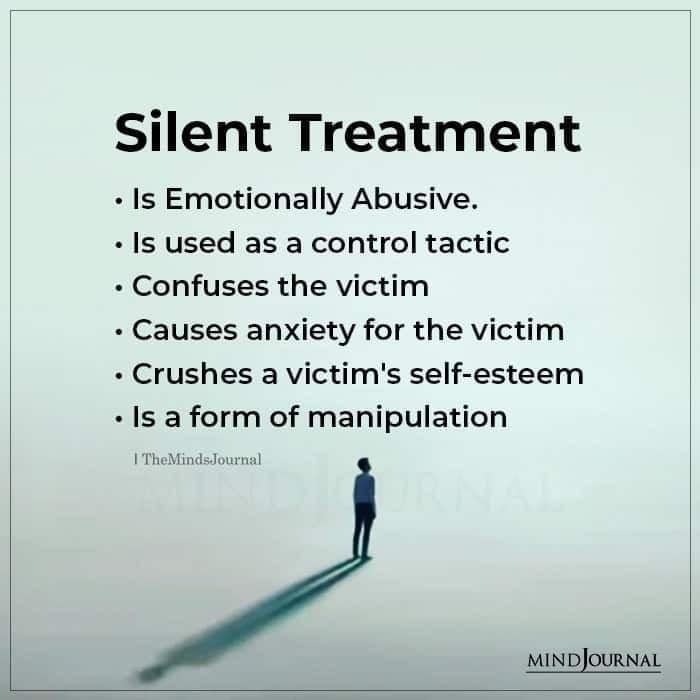
The silent treatment can feel like a slow, creeping shadow that gradually erodes your sense of self-worth. When someone close to you withdraws communication without explanation, it creates a vacuum filled with confusion, anxiety, and self-doubt. These emotional tactics don’t simply “hurt feelings” — they fundamentally distort your perception of reality, making you question your value and sanity. I found myself trapped in this cycle, where every unanswered text or cold shoulder amplified my stress and anxiety, pushing me into a relentless loop of second-guessing and isolation. The silence screamed louder than any argument ever could, leaving invisible scars that affected my mental resilience.
Recognizing the toll emotional manipulation takes on your mental health is the first step toward reclaiming your power. It’s important to remember that your feelings are valid and that enduring manipulation is neither a reflection of your worth nor a permanent state. Here are some crucial realizations that helped me break free:
- Emotional manipulation is a form of control, not love. Understanding this distinction helped me detach emotionally and regain clarity.
- Setting boundaries isn’t selfish; it’s necessary to protect your mental and emotional well-being.
- Seeking support — whether professional or from trusted friends — is vital. You don’t have to navigate this alone.
Recognizing Emotional Manipulation and Breaking the Cycle
Understanding the subtle ways emotional manipulation manifests was a turning point for me. It wasn’t always blatant; often, it was cloaked in silence, guilt-tripping, or constant shifting of blame. I learned to identify key signs such as:
- Gaslighting — when reality gets questioned and self-doubt becomes a weapon against your confidence.
- Silent treatment — using silence as a tool to control and punish, leaving you anxious and desperate for resolution.
- Walking on eggshells — the exhausting need to anticipate moods and avoid triggers endlessly.
- Constant criticism masked as concern, chipping away at your self-worth without outright attacks.
Breaking free from this cycle was anything but easy. It required setting firm boundaries, reclaiming my voice, and seeking support from those who weren’t entangled in the toxic pattern. I embraced self-compassion and started journaling my feelings—tools that empowered me to dismantle the manipulation brick by brick. Most importantly, I realized that silence isn’t compliance; speaking out is strength, and walking away is sometimes the bravest act of all.
Building Boundaries and Reclaiming Your Voice
When I finally recognized the toxic pattern of silence and manipulation I was trapped in, the first step was to establish clear limits for myself. I started by identifying what behaviors were harmful and unapologetically communicated those boundaries to the people involved. This wasn’t easy—setting limits meant confronting discomfort and, at times, facing resistance. But I learned that consistency was key; not wavering on what I would accept made a profound difference. It empowered me to protect my mental space and signaled that my feelings mattered. At moments when I felt my voice was still being overshadowed, I turned to journaling and trusted friends to articulate my experience authentically and refresh my resolve.
Reclaiming my voice involved more than just speaking up—it was about nurturing inner confidence to trust my own perception and emotions. I embraced tools like mindfulness, assertiveness training, and setting non-negotiables that safeguarded my well-being. Part of this journey included learning to listen to my needs without guilt or apology. Here are some practical strategies I found invaluable:
- Using “I” statements to express feelings without blaming
- Practicing pauses before responding to emotionally charged situations
- Creating safe word cues for when conversations felt manipulative
- Seeking support groups or therapy for external perspectives
By embracing these steps, I slowly shifted from silence to empowerment, allowing my voice to be heard loud and clear in spaces where it once felt suppressed.
Practical Strategies for Healing and Moving Forward
Breaking free from the grip of silent treatment and emotional manipulation requires a deliberate shift in how you view your worth and boundaries. I learned to prioritize self-respect over validation from others, which meant setting clear limits on what I would tolerate emotionally. This wasn’t about creating walls but about building a foundation where my feelings were valued and protected. Instead of reacting impulsively, I practiced mindfulness, allowing myself to step back and recognize manipulation patterns without getting ensnared in them.
Practical steps became my anchors during recovery. I surrounded myself with supportive individuals who communicated openly and respected boundaries, which helped recalibrate my emotional compass. Journaling emerged as a powerful tool to process feelings and monitor progress, revealing hidden triggers and empowering me to respond differently. Some strategies that made a remarkable difference include:
- Consistent self-affirmations that reinforced my sense of identity.
- Therapeutic conversations that allowed safe exploration of my experiences.
- Practicing assertiveness to communicate needs without guilt or fear.
These actions weren’t overnight fixes, but gradually, they transformed my relationship with myself and others, leading me toward emotional freedom and genuine connection.
The Conclusion
If there’s one thing I’ve learned from my journey through silent treatment and emotional manipulation, it’s that reclaiming your voice is both a right and a necessity. It wasn’t easy, and it didn’t happen overnight, but every step toward setting boundaries and trusting my own feelings brought me closer to healing. If you’re facing similar challenges, know that you’re not alone—and that strength grows from simply choosing to face the pain rather than letting it define you. Healing is messy, imperfect, and deeply personal, but it’s possible. Keep holding on to your truth; your voice matters, and so do you.