Close Menu
KnowYourNarc
    What's Hot
    Recovery

    Setting Healthy Boundaries After Narcissistic Abuse: A Guide

    Real Stories

    Healing from Narcissistic Parents: My Personal Journey

    Relationships

    Spotting Narcissistic Boss Manipulation: Protect Your Soul

    Subscribe to Updates

    Get The Latest News, Updates, And Amazing Offers

    Important Pages:
    • Home
    • About Us
    • Contact us
    • Privacy Policy
    • Terms & Conditions
    Facebook X (Twitter) Instagram Pinterest
    Facebook X (Twitter) Instagram Pinterest
    KnowYourNarc
    • Understanding Narcissism

      The Painful Dance: Golden Child vs Scapegoat in Narcissistic Families

      June 22, 2025

      Healthy Confidence vs. Narcissism: Key Differences Explained

      June 21, 2025

      How Social Media Fuels Narcissistic Behaviors Today

      June 20, 2025

      Overt vs. Covert Narcissists: Key Differences Explained

      June 19, 2025

      Narcissism in Men vs. Women: Exploring Key Differences

      June 18, 2025
    • Covert Narcissism

      Spotting Covert Narcissism at Work: Key Warning Signs

      August 18, 2025

      Breaking Free: True Tales of Escaping Covert Narc Abuse

      August 17, 2025

      The Subtle Allure of the Covert Narcissist Explained

      August 16, 2025

      Surviving Covert Narcissistic Abuse: True Stories of Hope

      July 1, 2025

      How Covert Narcissists Quietly Win Over Time: A Friendly Guide

      June 30, 2025
    • Communication

      Spotting Triangulation in Narcissistic Talk: A Friendly Guide

      July 2, 2025

      What Is Projection and Why Narcissists Rely on It

      July 1, 2025

      The Power of Narcissistic Rage in Verbal Attacks: Explained

      June 30, 2025

      Breaking Down Circular Conversations with Narcissists

      June 29, 2025

      Breaking the Cycle: Understanding Narcissistic Talk Patterns

      June 28, 2025
    • Parents & Family

      Breaking Free: Healing from Narcissistic Parental Control

      August 17, 2025

      Healing the Hidden Wounds of Narcissistic Family Neglect

      August 16, 2025

      Healing from Narcissistic Parents: Navigating Adult Love

      July 23, 2025

      Gaslighting from a Parent: Recognize It and Begin Healing

      July 22, 2025

      10 Signs You Grew Up with a Narcissistic Parent

      July 21, 2025
    • Friendships

      How Narcissistic Friends Isolate You Using Other People

      August 17, 2025

      Love-Bombing in Friendships: When Closeness Moves Too Fast

      July 2, 2025

      When You’re the Therapist, Not the Friend: Setting Boundaries

      July 1, 2025

      When Envy Hides: The Narcissist in Your Friendship

      June 30, 2025

      When You Outgrow a Narcissistic Friend: What to Expect

      June 29, 2025
    • Relationships

      Spotting Narcissistic Boss Manipulation: Protect Your Soul

      August 24, 2025

      How to Document Abuse from a Narcissistic Boss at Work

      August 23, 2025

      When Your Manager’s a Narcissist: Spot Signs + Survive

      August 22, 2025

      Healing Your Soul: Setting Boundaries with a Narcissistic Parent

      August 21, 2025

      How Narcissistic Moms Shape Daughters’ Fragile Self-Esteem

      August 20, 2025
    • Dating

      Rebuilding Self-Trust: Your Guide Before Dating Again

      January 15, 2026

      Why Taking a Break from Dating Can Be a Smart Power Move

      January 14, 2026

      What Safe and Healthy Love Actually Feels Like: A Guide

      January 13, 2026

      How to Express Your Needs Clearly Without Feeling Afraid

      January 12, 2026

      Breaking Free: How to Avoid Toxic Relationship Patterns

      January 11, 2026
    • NPD

      NPD vs. Healthy Self-Esteem: Key Differences Explained

      August 20, 2025

      Setting Boundaries with Someone Who Has Narcissistic Personality Disorder

      August 19, 2025

      Common Comorbid Disorders Associated with NPD Explained

      August 18, 2025

      Understanding Grandiosity’s Role in Narcissistic Personality Disorder

      August 17, 2025

      Understanding Narcissistic Personality Disorder: A Clear Overview

      July 9, 2025
    • Going No Contact

      How to Stay Strong and Resist Breaking No Contact Rules

      June 16, 2025

      Navigating Mutual Friends After Going No Contact: A Guide

      June 14, 2025

      Creating Self-Care Routines to Maintain Emotional Distance

      June 13, 2025

      Gray Rocking: How to Set Boundaries Without Full No Contact

      June 12, 2025

      Why Going No Contact with Narcissists Is a Game-Changer

      June 11, 2025
    • Red Flags

      How to Recognize If You’re Being Love Bombed: A Guide

      August 20, 2025

      How Toxic People Weaponize Guilt to Manipulate You

      August 19, 2025

      Spotting Control Disguised as Concern: A Clear Warning

      August 18, 2025

      Understanding Triangulation: Toxic Dynamics Explained Clearly

      August 17, 2025

      10 Clear Signs You’re Being Emotionally Manipulated Today

      June 19, 2025
    • Recovery

      Creating a Safe Space for Healing and Emotional Growth at Home

      August 20, 2025

      Healing Forward: Recognize Your Emotional Needs After Narcissism

      August 19, 2025

      Empower Yourself: Thrive with Self-Care and Mindful Choices

      August 18, 2025

      Boost Your Self-Worth: Powerful Affirmations to Rebuild You

      August 17, 2025

      How Group Support Boosts Speedy Emotional Healing

      June 17, 2025
    • Real Stories

      Breaking Free: A Survivor’s Journey from Trauma Bond to Hope

      August 22, 2025

      Unmasking Love: My Journey with a Covert Narcissist

      August 21, 2025

      How I Broke Free from a Narcissistic Relationship Journey

      August 20, 2025

      Healing After Years: My Journey Beyond a Covert Narcissist

      August 19, 2025

      Healing from Narcissistic Parents: My Personal Journey

      August 18, 2025
    KnowYourNarc
    You are at:Home » How NPD Impacts Your Personal and Work Relationships
    NPD

    How NPD Impacts Your Personal and Work Relationships

    May 17, 2025
    Share Facebook Twitter Pinterest WhatsApp
    How NPD Impacts Your Personal and Work Relationships
    Share
    Facebook Twitter Pinterest WhatsApp

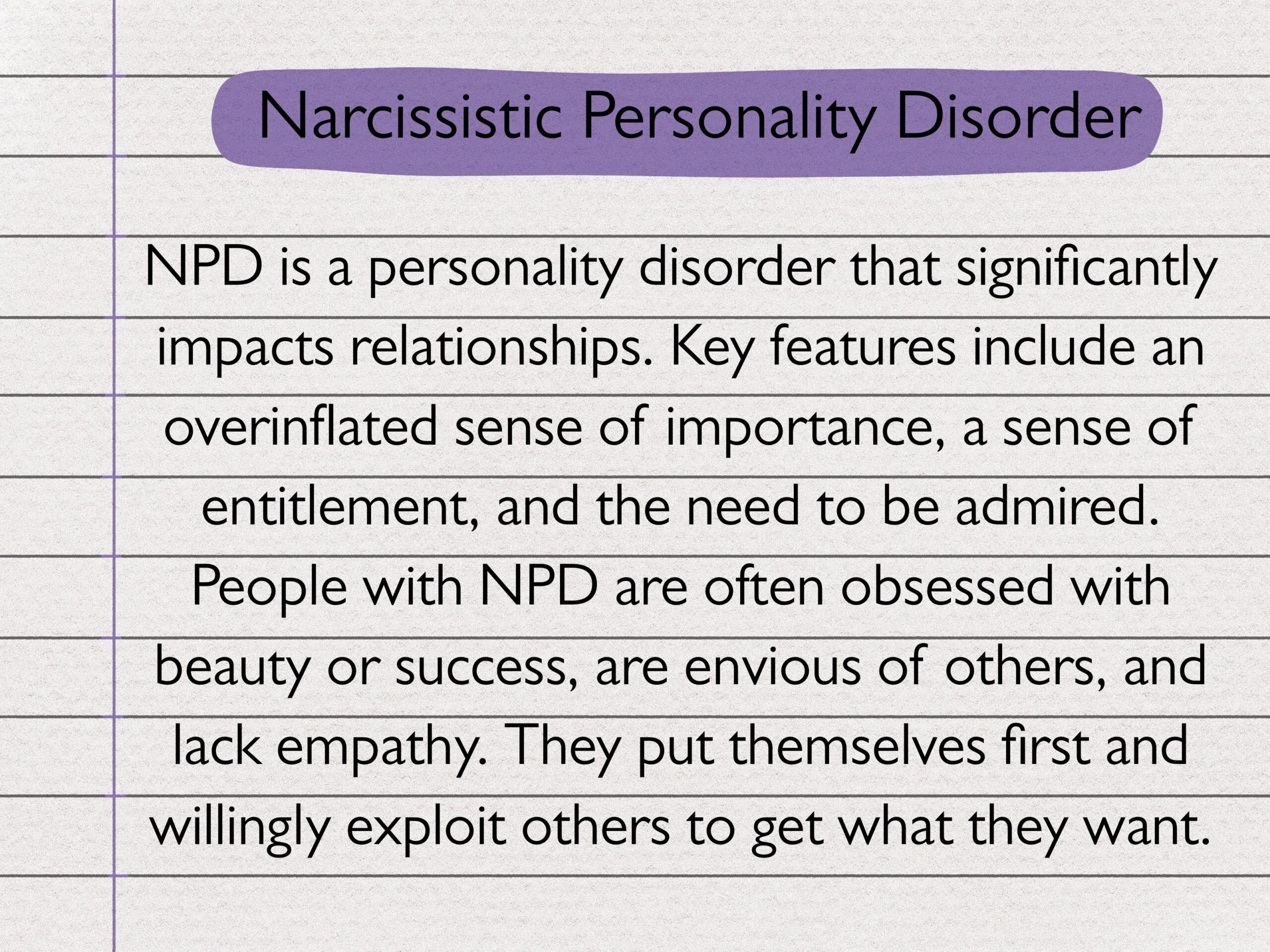
    Navigating relationships can be challenging, but when Narcissistic Personality Disorder (NPD) enters the picture, the dynamics become even more complex. Whether in your personal life or at work, understanding how NPD influences behavior and interactions is crucial for maintaining healthy connections. In this article, we’ll explore the profound impact NPD can have on relationships, offering insights into the challenges it presents and practical strategies to manage and improve your interactions with those affected. Whether you’re dealing with a colleague, friend, or partner exhibiting narcissistic traits, gaining a deeper understanding can empower you to foster healthier, more balanced relationships.

    Table of Contents

    • Understanding the Effects of Narcissistic Personality Disorder on Communication and Trust
    • Navigating Challenges in Workplace Dynamics When Working with Someone with NPD
    • Strategies for Setting Boundaries and Protecting Your Well-Being in Personal Relationships
    • Building Empathy and Encouraging Positive Change Through Professional Support
    • Insights and Conclusions

    Understanding the Effects of Narcissistic Personality Disorder on Communication and Trust

    People with Narcissistic Personality Disorder often display communication patterns that disrupt meaningful dialogue and mutual understanding. Their tendency to dominate conversations, interrupt, or redirect the focus to themselves can leave others feeling unheard and devalued. This self-centered communication style often lacks empathy, which is crucial for establishing genuine connections. Over time, these interactions erode the quality of both personal and professional relationships, creating an environment of frustration and emotional distance.

    Trust becomes an increasingly fragile bond when dealing with narcissistic behavior. The inconsistencies in their stories, the frequent need for validation, and occasional manipulative tactics such as gaslighting contribute to a climate of suspicion and insecurity. Common challenges faced by individuals include:

    • Difficulty expressing vulnerability due to fear of exploitation or dismissal.
    • Increased anxiety stemming from unpredictable emotional responses.
    • Reluctance to share openly because of past betrayals or emotional manipulation.

    These barriers make rebuilding trust a complex and sometimes painful process, emphasizing the need for patience, clear boundaries, and often professional support.

    Navigating Challenges in Workplace Dynamics When Working with Someone with NPD

    Working alongside someone with Narcissistic Personality Disorder (NPD) can create a complex and often draining environment. Their constant need for admiration and tendency to dismiss others’ contributions may provoke feelings of frustration and undervaluation within the team. To maintain your composure, it’s essential to establish clear boundaries and manage your expectations realistically, understanding that their behavior stems from deep-seated insecurities rather than personal vendettas. Recognizing their desire for control can help you navigate conversations strategically, focusing on facts and minimizing emotional triggers. Equally important is finding allies in your workplace who can provide perspective and support when conflicts arise.

    There are practical approaches you can adopt to better thrive in such challenging dynamics:

    • Document interactions: Keep a record of conversations and agreements to avoid misunderstandings and maintain accountability.
    • Focus on your work: Prioritize your tasks and achievements to safeguard your professional reputation and morale.
    • Use assertive communication: Express your needs and concerns with clarity and confidence without becoming confrontational.
    • Seek formal channels: When necessary, involve management or HR to mediate ongoing issues effectively.

    By adopting these strategies, you empower yourself to reduce the emotional toll and create a more manageable working relationship, even in the face of complex narcissistic behaviors.

    Strategies for Setting Boundaries and Protecting Your Well-Being in Personal Relationships

    Establishing firm boundaries is essential when navigating relationships affected by NPD behaviors. Begin by identifying your non-negotiables—those core values and limits that, if compromised, negatively impact your emotional health. Communicate these boundaries clearly and assertively, using “I” statements to express how certain actions affect your well-being. For example, “I need to be spoken to with respect,” rather than accusatory language. Remember, boundaries aren’t about controlling the other person but about safeguarding your own mental and emotional space.

    To maintain your well-being, integrate regular self-care routines and seek external support systems like trusted friends, counselors, or support groups. Implement practical strategies such as:

    • Limiting exposure to emotionally draining situations;
    • Practicing emotional detachment where appropriate;
    • Utilizing time-outs during heated interactions to regain composure;
    • Engaging in reflective journaling to process feelings and reinforce personal boundaries.

    These steps help reinforce your autonomy and protect your emotional landscape, fostering healthier interactions despite the complexities introduced by NPD dynamics.

    Building Empathy and Encouraging Positive Change Through Professional Support

    Understanding the complexities of Narcissistic Personality Disorder (NPD) allows loved ones and colleagues to approach relationships with greater compassion and patience. Professional support, such as therapy and counseling, creates vital opportunities for individuals with NPD to develop self-awareness and healthier ways of interacting. This process not only fosters empathy in those supporting them but also encourages a shift from conflict to connection. Key benefits of professional guidance include:

    • Improved communication strategies that reduce misunderstandings
    • Establishment of clear boundaries to protect personal well-being
    • Development of emotional regulation skills for healthier responses

    Encouraging positive change starts with recognizing that growth is possible when professional tools and support systems are in place. Therapists trained in personality disorders tailor interventions to address specific relational challenges, helping both the individual with NPD and their circle to rebuild trust and respect. Over time, this holistic approach can transform strained relationships into collaborative, more fulfilling connections, emphasizing that empathy isn’t just a feeling but a practice nurtured through intentional effort and expert guidance.

    Insights and Conclusions

    In understanding how Narcissistic Personality Disorder influences both personal and work relationships, it becomes clear that awareness and empathy play crucial roles. Recognizing the patterns associated with NPD can help foster healthier interactions and set appropriate boundaries. Whether you’re supporting a loved one or navigating a professional environment, approaching these relationships with informed compassion can make all the difference. Remember, while NPD presents unique challenges, knowledge and patience are powerful tools in building more balanced and respectful connections.

    Share. Facebook Twitter Pinterest WhatsApp
    Previous ArticleHow to Share Your Past Without Oversharing: A Guide
    Next Article How Narcissists Usually Respond When You Go No Contact

    Related Posts

    NPD

    NPD vs. Healthy Self-Esteem: Key Differences Explained

    NPD

    Setting Boundaries with Someone Who Has Narcissistic Personality Disorder

    NPD

    Common Comorbid Disorders Associated with NPD Explained

    NPD

    Understanding Grandiosity’s Role in Narcissistic Personality Disorder

    Leave A Reply Cancel Reply

    Stay In Touch
    • Facebook
    • Twitter
    • Instagram
    • Pinterest

    Subscribe to Updates

    Get The Latest News, Updates, And Amazing Offers

    Top Posts
    Relationships

    How Narcissistic Moms Shape Daughters’ Fragile Self-Esteem

    Communication

    How Narcissists Always Play the Victim: A Friendly Guide

    The Push-Pull Dance of Toxic Friendships: What to Know

    Relationships

    Breaking Free: Healing After Breaking Up with a Narcissist

    Friendships

    Friendship or Fan Club? When Admiration Comes First

    About

    The word “narc” is short for narcissist — someone who often puts themselves first, shows little empathy, and can be controlling or emotionally hurtful. Some people like this may have Narcissistic Personality Disorder (NPD), while others just show strong narcissistic behavior.

    KnowYourNarc.com is here to help you recognize this kind of behavior. Whether you’ve been in a relationship with a narcissist, are trying to understand someone in your life, or want to support someone else, this website gives you clear information, support, and tools to protect yourself and heal.

    Subscribe to Updates

    Get The Latest News, Updates, And Amazing Offers

    Our Picks
    Narcissism June 7, 2025

    Understanding Covert Narcissism: Key Signs to Recognize

    Parents & Family June 15, 2025

    The Golden Child & Scapegoat: Healing Narcissistic Family Roles

    Parents & Family May 17, 2025

    Healing from Parental Gaslighting: How to Recognize It

    KnowYourNarc
    Facebook X (Twitter) Instagram Pinterest
    • Home
    • About Us
    • Contact us
    • Privacy Policy
    • Terms & Conditions
    © 2026 KnowYourNarc.

    Type above and press Enter to search. Press Esc to cancel.