
Close Menu
KnowYourNarc
    What's Hot
    Covert Narcissism

    Unmasking Covert Narcissists’ Sneaky Passive-Aggression

    Dating

    What Real Emotional Safety Looks Like: Key Signs Explained

    NPD

    Unpacking the Fragile Self-Esteem Behind Narcissistic Traits

    Subscribe to Updates

    Get The Latest News, Updates, And Amazing Offers

    Important Pages:
    • Home
    • About Us
    • Contact us
    • Privacy Policy
    • Terms & Conditions
    Facebook X (Twitter) Instagram Pinterest
    Facebook X (Twitter) Instagram Pinterest
    KnowYourNarc
    • Understanding Narcissism

      The Painful Dance: Golden Child vs Scapegoat in Narcissistic Families

      June 22, 2025

      Healthy Confidence vs. Narcissism: Key Differences Explained

      June 21, 2025

      How Social Media Fuels Narcissistic Behaviors Today

      June 20, 2025

      Overt vs. Covert Narcissists: Key Differences Explained

      June 19, 2025

      Narcissism in Men vs. Women: Exploring Key Differences

      June 18, 2025
    • Covert Narcissism

      Spotting Covert Narcissism at Work: Key Warning Signs

      August 18, 2025

      Breaking Free: True Tales of Escaping Covert Narc Abuse

      August 17, 2025

      The Subtle Allure of the Covert Narcissist Explained

      August 16, 2025

      Surviving Covert Narcissistic Abuse: True Stories of Hope

      July 1, 2025

      How Covert Narcissists Quietly Win Over Time: A Friendly Guide

      June 30, 2025
    • Communication

      Spotting Triangulation in Narcissistic Talk: A Friendly Guide

      July 2, 2025

      What Is Projection and Why Narcissists Rely on It

      July 1, 2025

      The Power of Narcissistic Rage in Verbal Attacks: Explained

      June 30, 2025

      Breaking Down Circular Conversations with Narcissists

      June 29, 2025

      Breaking the Cycle: Understanding Narcissistic Talk Patterns

      June 28, 2025
    • Parents & Family

      Breaking Free: Healing from Narcissistic Parental Control

      August 17, 2025

      Healing the Hidden Wounds of Narcissistic Family Neglect

      August 16, 2025

      Healing from Narcissistic Parents: Navigating Adult Love

      July 23, 2025

      Gaslighting from a Parent: Recognize It and Begin Healing

      July 22, 2025

      10 Signs You Grew Up with a Narcissistic Parent

      July 21, 2025
    • Friendships

      How Narcissistic Friends Isolate You Using Other People

      August 17, 2025

      Love-Bombing in Friendships: When Closeness Moves Too Fast

      July 2, 2025

      When You’re the Therapist, Not the Friend: Setting Boundaries

      July 1, 2025

      When Envy Hides: The Narcissist in Your Friendship

      June 30, 2025

      When You Outgrow a Narcissistic Friend: What to Expect

      June 29, 2025
    • Relationships

      Spotting Narcissistic Boss Manipulation: Protect Your Soul

      August 24, 2025

      How to Document Abuse from a Narcissistic Boss at Work

      August 23, 2025

      When Your Manager’s a Narcissist: Spot Signs + Survive

      August 22, 2025

      Healing Your Soul: Setting Boundaries with a Narcissistic Parent

      August 21, 2025

      How Narcissistic Moms Shape Daughters’ Fragile Self-Esteem

      August 20, 2025
    • Dating

      Green Flags to Spot in a Potential Partner: What to Watch For

      August 27, 2025

      How to Identify Early Red Flags in New Relationships

      August 26, 2025

      Navigating Dating While Healing from Narcissistic Abuse

      August 25, 2025

      Setting Healthy Boundaries with New Partners: A Guide

      August 24, 2025

      How to Avoid Idealizing Someone New Too Quickly: Tips

      August 23, 2025
    • NPD

      NPD vs. Healthy Self-Esteem: Key Differences Explained

      August 20, 2025

      Setting Boundaries with Someone Who Has Narcissistic Personality Disorder

      August 19, 2025

      Common Comorbid Disorders Associated with NPD Explained

      August 18, 2025

      Understanding Grandiosity’s Role in Narcissistic Personality Disorder

      August 17, 2025

      Understanding Narcissistic Personality Disorder: A Clear Overview

      July 9, 2025
    • Going No Contact

      How to Stay Strong and Resist Breaking No Contact Rules

      June 16, 2025

      Navigating Mutual Friends After Going No Contact: A Guide

      June 14, 2025

      Creating Self-Care Routines to Maintain Emotional Distance

      June 13, 2025

      Gray Rocking: How to Set Boundaries Without Full No Contact

      June 12, 2025

      Why Going No Contact with Narcissists Is a Game-Changer

      June 11, 2025
    • Red Flags

      How to Recognize If You’re Being Love Bombed: A Guide

      August 20, 2025

      How Toxic People Weaponize Guilt to Manipulate You

      August 19, 2025

      Spotting Control Disguised as Concern: A Clear Warning

      August 18, 2025

      Understanding Triangulation: Toxic Dynamics Explained Clearly

      August 17, 2025

      10 Clear Signs You’re Being Emotionally Manipulated Today

      June 19, 2025
    • Recovery

      Creating a Safe Space for Healing and Emotional Growth at Home

      August 20, 2025

      Healing Forward: Recognize Your Emotional Needs After Narcissism

      August 19, 2025

      Empower Yourself: Thrive with Self-Care and Mindful Choices

      August 18, 2025

      Boost Your Self-Worth: Powerful Affirmations to Rebuild You

      August 17, 2025

      How Group Support Boosts Speedy Emotional Healing

      June 17, 2025
    • Real Stories

      Breaking Free: A Survivor’s Journey from Trauma Bond to Hope

      August 22, 2025

      Unmasking Love: My Journey with a Covert Narcissist

      August 21, 2025

      How I Broke Free from a Narcissistic Relationship Journey

      August 20, 2025

      Healing After Years: My Journey Beyond a Covert Narcissist

      August 19, 2025

      Healing from Narcissistic Parents: My Personal Journey

      August 18, 2025
    KnowYourNarc
    You are at:Home » How Narcissists Usually Respond When You Go No Contact
    Going No Contact

    How Narcissists Usually Respond When You Go No Contact

    May 17, 2025
    Share Facebook Twitter Pinterest WhatsApp
    How Narcissists Usually Respond When You Go No Contact
    Share
    Facebook Twitter Pinterest WhatsApp

    Going no contact with a narcissist is often a crucial step toward protecting your peace and reclaiming your life. But if you’ve ever wondered what happens on their end when you suddenly cut off communication, you’re not alone. Narcissists have a unique way of reacting—sometimes confusing, often frustrating, and always telling. In this article, we’ll dive into how narcissists typically respond when you go no contact, helping you understand their behavior and prepare for what’s ahead on your healing journey. Whether you’re just starting the process or have been no contact for a while, knowing what to expect can make all the difference. Let’s explore this together!

    Table of Contents

    • How Narcissists React to Silence and What It Means for You
    • Understanding the Love Bombing Comeback and How to Stay Strong
    • Why Narcissists Try to Guilt Trip You and Ways to Hold Your Ground
    • Setting Boundaries That Stick When Going No Contact with a Narcissist
    • In Summary

    How Narcissists React to Silence and What It Means for You

    When silence replaces the usual interaction, many narcissists experience it as an unexpected challenge to their control and ego. Instead of processing the quiet calmly, they often react with a mixture of confusion, frustration, and escalating tactics to regain the upper hand. This might include sending frequent messages, making dramatic accusations, or even orchestrating crises—all designed to break through the silence and pull you back into their sphere of influence. Recognizing these behaviors is crucial because they reveal their dependence on attention and the fragile nature of their self-image.

    For those stepping back and choosing no contact, understanding these reactions can be empowering. Narcissists thrive on disruption and chaos, so when met with silence, they might resort to:

    • Love bombing — sudden, overwhelming declarations of affection to lure you back.
    • Smear campaigns — spreading rumors or misinformation to undermine your reputation.
    • Emotional manipulation — guilt-tripping or gaslighting to break your resolve.

    It’s important to maintain your boundaries and remember that their attempts to react to your silence say more about their insecurities than anything about you. Staying firm in your decision means you are prioritizing your well-being over their need for control.

    Understanding the Love Bombing Comeback and How to Stay Strong

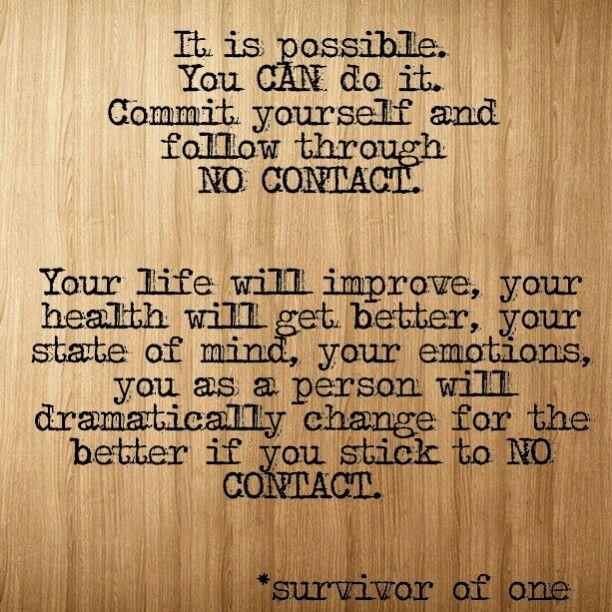
    Love bombing is one of the most confusing and manipulative tactics narcissists use to pull you back into their orbit after you’ve gone no contact. It usually starts with an overwhelming influx of affection, compliments, and promises — all designed to make you doubt your decision to walk away. This sudden surge can feel intoxicating, like a whirlwind of emotional highs that blur the boundaries you’ve worked so hard to set. Remember, their goal isn’t genuine reconnection but regaining control over your emotions and breaking down your newly rebuilt walls.

    To stay strong when faced with this emotional ambush, it’s crucial to keep a clear head and trust your instincts. Consider these key strategies:

    • Reaffirm your reasons for going no contact — reminding yourself why distance was necessary in the first place.
    • Seek support from trusted friends or therapists who can help ground you when love bombing clouds your judgment.
    • Set firm boundaries and know it’s okay to block or ignore messages that feel like manipulation wrapped in sweetness.
    • Practice self-compassion — healing takes time, and falling for the emotional pull doesn’t mean you’ve failed.

    Why Narcissists Try to Guilt Trip You and Ways to Hold Your Ground

    When narcissists sense that you’ve cut ties or established firm boundaries, their instinct is to regain control, often using guilt as a powerful weapon. They might remind you of “all they’ve done for you” or exaggerate your actions to make you feel responsible for their misery. Guilt trips are a tactic to make you doubt your decision, stir anxiety, and pull you back into their web of manipulation. It’s important to recognize these patterns for what they truly are—not genuine remorse or concern, but a strategic move to unsettle you emotionally.

    Holding your ground requires a mix of self-awareness and clear boundaries. Here are some ways to stay firm and protect your peace:

    • Stay consistent: Repeat your boundaries calmly without over-explaining or apologizing.
    • Limit engagement: Avoid getting drawn into long debates or justifications.
    • Use emotional detachment: Remind yourself their guilt trips reflect their issues, not your worth.
    • Seek support: Lean on trusted friends or counselors to reinforce your resolve.

    By understanding their tactics and nurturing your resilience, you can confidently navigate the aftermath of no contact, ensuring that guilt no longer dictates your emotional wellbeing.

    Setting Boundaries That Stick When Going No Contact with a Narcissist

    When going no contact with a narcissist, setting clear and consistent boundaries is crucial to protect your emotional well-being. Narcissists thrive on control and manipulation, so your boundaries need to be firm and unwavering. This means deciding in advance what forms of communication you’re willing to accept—if any—and sticking to those limits without negotiation. Consistency is key: every time you respond to their attempts, you reinforce their belief that they can breach your boundaries. Instead, make use of tools like blocking numbers, muting social media accounts, and even enlisting support from friends or family to enforce these boundaries effectively.

    It’s also important to acknowledge that narcissists will often escalate tactics to break through your defenses. You might encounter manipulative texts filled with guilt, charm offensive attempts, or even aggressive accusations designed to provoke an emotional reaction. Here’s what to keep in mind for boundaries that stick:

    • Do not engage: Avoid responding emotionally or justifying your choice.
    • Use “gray rock” techniques: Be as boring and unreactive as possible if contact occurs.
    • Keep your support network informed: Let trusted people know your boundaries so they can help keep them intact.

    By practicing these steps, you not only reclaim your peace but also send a clear message that your boundaries aren’t flexible—a message that can ultimately discourage future attempts at manipulation.

    In Summary

    Thanks for sticking with me through this deep dive into how narcissists typically react when you decide to go no contact. Remember, choosing to step away is a powerful act of self-care and boundaries-setting — and their reactions, no matter how dramatic or confusing, are more about their issues than about you. Stay strong, trust your journey, and know that prioritizing your peace is always worth it. If you’ve had your own experiences with no contact and a narcissist, I’d love to hear your story in the comments below! Until next time, take care of yourself and keep moving forward.

    Share. Facebook Twitter Pinterest WhatsApp
    Previous ArticleHow NPD Impacts Your Personal and Work Relationships
    Next Article Spotting Control Disguised as Concern: Key Warning Signs

    Related Posts

    Going No Contact

    How to Stay Strong and Resist Breaking No Contact Rules

    Going No Contact

    Navigating Mutual Friends After Going No Contact: A Guide

    Going No Contact

    Creating Self-Care Routines to Maintain Emotional Distance

    Going No Contact

    Gray Rocking: How to Set Boundaries Without Full No Contact

    Leave A Reply Cancel Reply

    Stay In Touch
    • Facebook
    • Twitter
    • Instagram
    • Pinterest

    Subscribe to Updates

    Get The Latest News, Updates, And Amazing Offers

    Top Posts
    Narcissism

    The Narcissistic Cycle: Idealize, Devalue, and Discard Explained

    Covert Narcissism

    Covert vs. Overt Narcissism: Key Differences Explained

    Covert Narcissism

    The Narcissist’s Covert Move: Playing the Martyr Role

    Communication

    Master the Grey Rock Method: Deflect Manipulation Easily

    Narcissism

    Unraveling the Hidden Link Between Insecurity and Narcissism

    About

    The word “narc” is short for narcissist — someone who often puts themselves first, shows little empathy, and can be controlling or emotionally hurtful. Some people like this may have Narcissistic Personality Disorder (NPD), while others just show strong narcissistic behavior.

    KnowYourNarc.com is here to help you recognize this kind of behavior. Whether you’ve been in a relationship with a narcissist, are trying to understand someone in your life, or want to support someone else, this website gives you clear information, support, and tools to protect yourself and heal.

    Subscribe to Updates

    Get The Latest News, Updates, And Amazing Offers

    Our Picks
    Relationships June 12, 2025

    Living with a Narcissistic Parent: The Lasting Impact

    Covert Narcissism May 22, 2025

    Spotting Covert Narcissism in Romantic Relationships

    Friendships June 3, 2025

    Friendship or Fan Club? When Admiration Feels One-Sided

    KnowYourNarc
    Facebook X (Twitter) Instagram Pinterest
    • Home
    • About Us
    • Contact us
    • Privacy Policy
    • Terms & Conditions
    © 2025 KnowYourNarc.

    Type above and press Enter to search. Press Esc to cancel.