Close Menu
KnowYourNarc
    What's Hot
    Communication

    How Narcissists Twist Words and Rewrite Reality Easily

    Parents & Family

    Healing from Narcissistic Parents: Navigating Adult Love

    Covert Narcissism

    Surviving Covert Narcissistic Abuse: True Stories of Hope

    Subscribe to Updates

    Get The Latest News, Updates, And Amazing Offers

    Important Pages:
    • Home
    • About Us
    • Contact us
    • Privacy Policy
    • Terms & Conditions
    Facebook X (Twitter) Instagram Pinterest
    Facebook X (Twitter) Instagram Pinterest
    KnowYourNarc
    • Understanding Narcissism

      The Painful Dance: Golden Child vs Scapegoat in Narcissistic Families

      June 22, 2025

      Healthy Confidence vs. Narcissism: Key Differences Explained

      June 21, 2025

      How Social Media Fuels Narcissistic Behaviors Today

      June 20, 2025

      Overt vs. Covert Narcissists: Key Differences Explained

      June 19, 2025

      Narcissism in Men vs. Women: Exploring Key Differences

      June 18, 2025
    • Covert Narcissism

      Spotting Covert Narcissism at Work: Key Warning Signs

      August 18, 2025

      Breaking Free: True Tales of Escaping Covert Narc Abuse

      August 17, 2025

      The Subtle Allure of the Covert Narcissist Explained

      August 16, 2025

      Surviving Covert Narcissistic Abuse: True Stories of Hope

      July 1, 2025

      How Covert Narcissists Quietly Win Over Time: A Friendly Guide

      June 30, 2025
    • Communication

      Spotting Triangulation in Narcissistic Talk: A Friendly Guide

      July 2, 2025

      What Is Projection and Why Narcissists Rely on It

      July 1, 2025

      The Power of Narcissistic Rage in Verbal Attacks: Explained

      June 30, 2025

      Breaking Down Circular Conversations with Narcissists

      June 29, 2025

      Breaking the Cycle: Understanding Narcissistic Talk Patterns

      June 28, 2025
    • Parents & Family

      Breaking Free: Healing from Narcissistic Parental Control

      August 17, 2025

      Healing the Hidden Wounds of Narcissistic Family Neglect

      August 16, 2025

      Healing from Narcissistic Parents: Navigating Adult Love

      July 23, 2025

      Gaslighting from a Parent: Recognize It and Begin Healing

      July 22, 2025

      10 Signs You Grew Up with a Narcissistic Parent

      July 21, 2025
    • Friendships

      How Narcissistic Friends Isolate You Using Other People

      August 17, 2025

      Love-Bombing in Friendships: When Closeness Moves Too Fast

      July 2, 2025

      When You’re the Therapist, Not the Friend: Setting Boundaries

      July 1, 2025

      When Envy Hides: The Narcissist in Your Friendship

      June 30, 2025

      When You Outgrow a Narcissistic Friend: What to Expect

      June 29, 2025
    • Relationships

      Spotting Narcissistic Boss Manipulation: Protect Your Soul

      August 24, 2025

      How to Document Abuse from a Narcissistic Boss at Work

      August 23, 2025

      When Your Manager’s a Narcissist: Spot Signs + Survive

      August 22, 2025

      Healing Your Soul: Setting Boundaries with a Narcissistic Parent

      August 21, 2025

      How Narcissistic Moms Shape Daughters’ Fragile Self-Esteem

      August 20, 2025
    • Dating

      Rebuilding Self-Trust: Your Guide Before Dating Again

      January 15, 2026

      Why Taking a Break from Dating Can Be a Smart Power Move

      January 14, 2026

      What Safe and Healthy Love Actually Feels Like: A Guide

      January 13, 2026

      How to Express Your Needs Clearly Without Feeling Afraid

      January 12, 2026

      Breaking Free: How to Avoid Toxic Relationship Patterns

      January 11, 2026
    • NPD

      NPD vs. Healthy Self-Esteem: Key Differences Explained

      August 20, 2025

      Setting Boundaries with Someone Who Has Narcissistic Personality Disorder

      August 19, 2025

      Common Comorbid Disorders Associated with NPD Explained

      August 18, 2025

      Understanding Grandiosity’s Role in Narcissistic Personality Disorder

      August 17, 2025

      Understanding Narcissistic Personality Disorder: A Clear Overview

      July 9, 2025
    • Going No Contact

      How to Stay Strong and Resist Breaking No Contact Rules

      June 16, 2025

      Navigating Mutual Friends After Going No Contact: A Guide

      June 14, 2025

      Creating Self-Care Routines to Maintain Emotional Distance

      June 13, 2025

      Gray Rocking: How to Set Boundaries Without Full No Contact

      June 12, 2025

      Why Going No Contact with Narcissists Is a Game-Changer

      June 11, 2025
    • Red Flags

      How to Recognize If You’re Being Love Bombed: A Guide

      August 20, 2025

      How Toxic People Weaponize Guilt to Manipulate You

      August 19, 2025

      Spotting Control Disguised as Concern: A Clear Warning

      August 18, 2025

      Understanding Triangulation: Toxic Dynamics Explained Clearly

      August 17, 2025

      10 Clear Signs You’re Being Emotionally Manipulated Today

      June 19, 2025
    • Recovery

      Creating a Safe Space for Healing and Emotional Growth at Home

      August 20, 2025

      Healing Forward: Recognize Your Emotional Needs After Narcissism

      August 19, 2025

      Empower Yourself: Thrive with Self-Care and Mindful Choices

      August 18, 2025

      Boost Your Self-Worth: Powerful Affirmations to Rebuild You

      August 17, 2025

      How Group Support Boosts Speedy Emotional Healing

      June 17, 2025
    • Real Stories

      Breaking Free: A Survivor’s Journey from Trauma Bond to Hope

      August 22, 2025

      Unmasking Love: My Journey with a Covert Narcissist

      August 21, 2025

      How I Broke Free from a Narcissistic Relationship Journey

      August 20, 2025

      Healing After Years: My Journey Beyond a Covert Narcissist

      August 19, 2025

      Healing from Narcissistic Parents: My Personal Journey

      August 18, 2025
    KnowYourNarc
    You are at:Home » Healing & Hope: Reclaim Your Identity After Narcissistic Abuse
    Recovery

    Healing & Hope: Reclaim Your Identity After Narcissistic Abuse

    May 17, 2025
    Share Facebook Twitter Pinterest WhatsApp
    Healing & Hope: Reclaim Your Identity After Narcissistic Abuse
    Share
    Facebook Twitter Pinterest WhatsApp

    Breaking free from the grip of narcissistic abuse can feel like losing yourself in a storm of confusion, pain, and self-doubt. But take heart—reclaiming your identity and rediscovering your true self is not only possible, it’s a powerful journey of healing and hope. In this article, we’ll explore practical steps, encouraging insights, and heartfelt support to help you rise above the shadows of abuse, rebuild your confidence, and step into a brighter, more authentic future. Your story isn’t defined by the past—it’s waiting to be rewritten with strength, resilience, and renewed joy. Let’s begin this transformative path together.

    Table of Contents

    • Understanding the Impact of Narcissistic Abuse on Your Sense of Self
    • Recognizing Your Strengths and Rebuilding Self-Worth
    • Practical Steps to Establish Boundaries and Foster Healthy Relationships
    • Cultivating Hope Through Self-Care and Empowering Practices
    • The Way Forward

    Understanding the Impact of Narcissistic Abuse on Your Sense of Self

    When subjected to narcissistic abuse, the core of your identity can start to feel fragmented or distorted. This insidious form of manipulation often leaves individuals doubting their own worth, memories, and perceptions. Over time, the relentless criticism, gaslighting, and emotional invalidation experienced can erode self-esteem and foster feelings of confusion, shame, and isolation. The victim’s inner voice becomes overwhelmed by the narcissist’s toxic narrative, making it difficult to trust yourself or understand who you truly are beneath the layers of imposed fear and control.

    Reclaiming a sense of self after this trauma involves peeling back these layers and reconnecting with your authentic emotions and values. It’s a gradual process of rediscovery, where you:

    • Recognize and validate your own feelings without the filter of abuse.
    • Establish clear boundaries that protect your emotional well-being.
    • Engage in self-compassion practices to rebuild trust and confidence.
    • Seek supportive communities that foster growth and healing.

    Remember, healing is not linear, but every step forward is a powerful reclaiming of your true self—stronger, wiser, and uniquely yours.

    Recognizing Your Strengths and Rebuilding Self-Worth

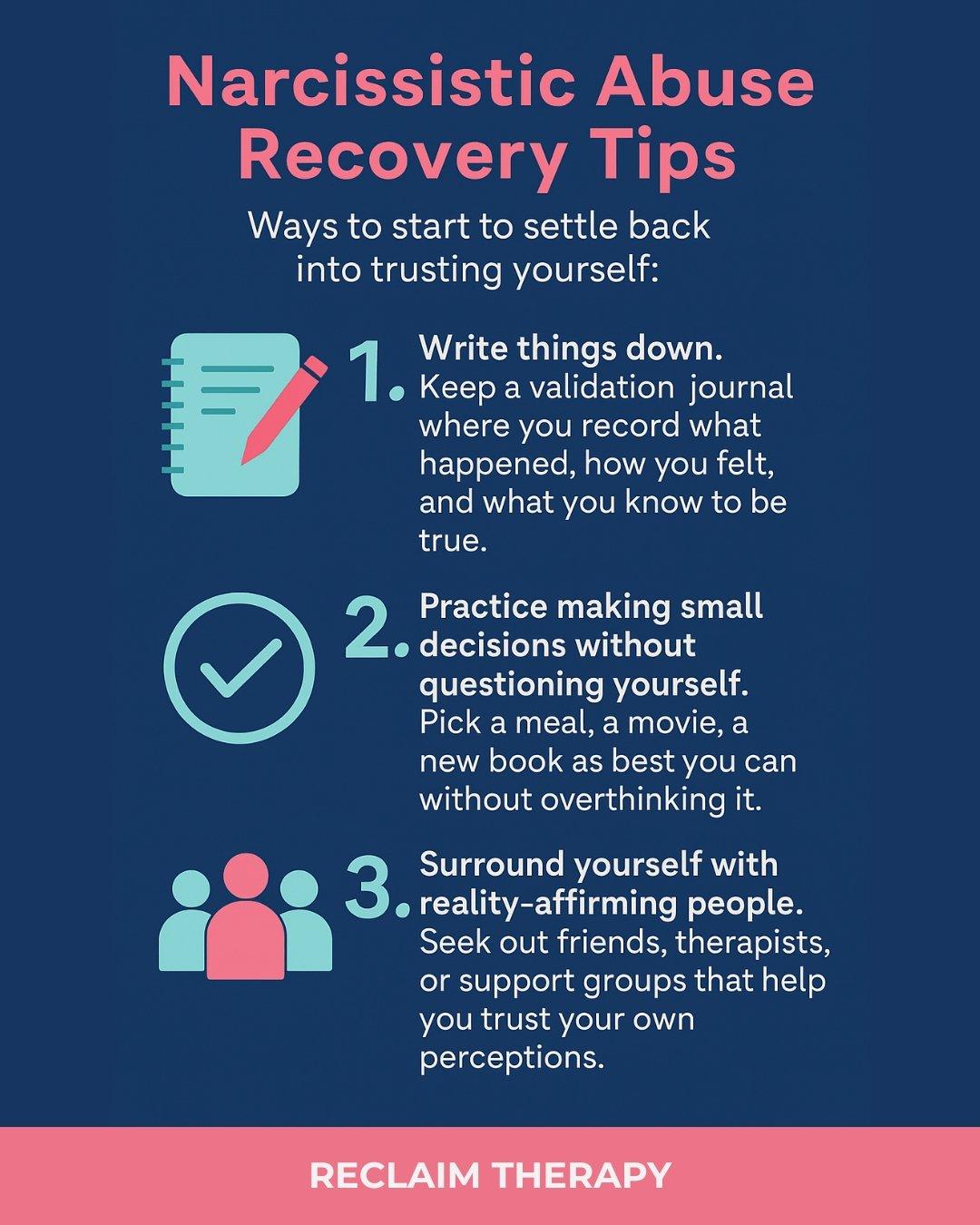
    After escaping the shadows of narcissistic abuse, rediscovering the qualities that make you uniquely powerful is crucial. Start by acknowledging even the smallest victories and qualities that have helped you survive—resilience, empathy, creativity, or courage. These aren’t just traits; they are the foundation stones of your renewed self. Celebrate your strengths by writing them down, sharing them with trusted friends, or reflecting on past experiences where these qualities shone through. This intentional recognition nurtures a positive internal dialogue that can overwrite the negative scripts ingrained by abuse.

    Building self-worth is a gentle yet profound process that thrives on patience and self-compassion. Consider integrating helpful practices into your daily routine such as:

    • Journaling: Capture moments of gratitude and personal achievements, reminding yourself of your value.
    • Setting boundaries: Protect your energy by saying no to what doesn’t serve your growth or peace.
    • Affirmations: Speak words that reaffirm your worth and dignity, even if it feels unfamiliar at first.

    By consistently recognizing and nurturing your authentic self, you pave the way toward a future where your identity is empowered by hope rather than haunted by past pain.

    Practical Steps to Establish Boundaries and Foster Healthy Relationships

    Rebuilding your sense of self starts with defining clear boundaries that honor your needs and feelings. Begin by recognizing your limits—what you are willing to accept and what you are not—and express these confidently and calmly to those around you. Remember, setting boundaries is not about pushing people away but rather protecting your emotional well-being. It’s perfectly okay to say “no” without guilt and to prioritize your peace over pleasing others. Practicing self-awareness daily can help you identify situations or interactions that drain your energy, giving you the opportunity to recalibrate your boundaries accordingly.

    Creating healthier connections goes beyond limits—it requires cultivating mutual respect and empathy. Surround yourself with people who validate your experiences and encourage your growth. When rebuilding trust, focus on open communication and active listening, allowing both parties to share without fear of judgment. Here are some gentle actions to guide this process:

    • Journaling your feelings to clarify your needs and track progress
    • Engaging in support groups where your voice is heard and understood
    • Practicing mindfulness to stay present and reduce anxiety in social interactions
    • Setting small, achievable goals for reconnecting with loved ones

    By embracing these practical steps, you nurture the nurturing relationships you deserve—ones that respect your identity and empower you to thrive beyond past hurts.

    Cultivating Hope Through Self-Care and Empowering Practices

    When we emerge from the shadow of narcissistic abuse, nurturing our inner world is not just beneficial—it’s essential. Embracing self-care is a powerful act of reclaiming your identity and setting nourishing boundaries. This journey is about more than just survival; it’s about thriving through rituals that honor your emotional and physical wellbeing. Integrating practices such as journaling your thoughts, prioritizing restful sleep, and engaging in gentle movement like yoga can anchor you in the present moment, gently reminding you of your strength and resilience.

    Empowerment blossoms through intentional actions that reconnect you with your sense of self and purpose. Consider incorporating:

    • Mindful affirmations to rewire negative self-talk and cultivate self-love
    • Creative expression such as painting, music, or writing to access and release stored emotions
    • Support networks that validate your experience and inspire growth

    Each small step you take can build the foundation for a renewed, vibrant identity—one where hope is not a fragile wish but a flourishing reality.

    The Way Forward

    Healing from narcissistic abuse is undeniably challenging, but it is also a powerful journey toward reclaiming your true self. Remember, your identity is not defined by the pain inflicted upon you but by your resilience, courage, and capacity to heal. With each step forward—whether it’s setting boundaries, seeking support, or practicing self-love—you are rewriting your story and embracing the hope of a brighter, more authentic future. Stay patient and kind with yourself; healing is not linear, but every effort brings you closer to the freedom and peace you deserve. Your identity is waiting—stronger, wiser, and more vibrant than ever. Keep going.

    Share. Facebook Twitter Pinterest WhatsApp
    Previous ArticleSpotting Control Disguised as Concern: Key Warning Signs
    Next Article How Community Support Shaped My Healing Journey

    Related Posts

    Recovery

    Creating a Safe Space for Healing and Emotional Growth at Home

    Recovery

    Healing Forward: Recognize Your Emotional Needs After Narcissism

    Recovery

    Empower Yourself: Thrive with Self-Care and Mindful Choices

    Recovery

    Boost Your Self-Worth: Powerful Affirmations to Rebuild You

    Leave A Reply Cancel Reply

    Stay In Touch
    • Facebook
    • Twitter
    • Instagram
    • Pinterest

    Subscribe to Updates

    Get The Latest News, Updates, And Amazing Offers

    Top Posts
    Covert Narcissism

    Understanding Covert Narcissism & Childhood Emotional Neglect

    Communication

    How Gaslighting Fuels Narcissistic Communication Patterns

    Dating

    Green Flags to Spot in a Potential Partner: What to Watch For

    NPD

    How NPD Impacts Your Personal and Work Relationships

    NPD

    Is Narcissistic Personality Disorder Genetic or Learned?

    About

    The word “narc” is short for narcissist — someone who often puts themselves first, shows little empathy, and can be controlling or emotionally hurtful. Some people like this may have Narcissistic Personality Disorder (NPD), while others just show strong narcissistic behavior.

    KnowYourNarc.com is here to help you recognize this kind of behavior. Whether you’ve been in a relationship with a narcissist, are trying to understand someone in your life, or want to support someone else, this website gives you clear information, support, and tools to protect yourself and heal.

    Subscribe to Updates

    Get The Latest News, Updates, And Amazing Offers

    Our Picks
    Covert Narcissism June 13, 2025

    Healing and Growing After a Relationship with a Covert Narcissist

    Dating January 15, 2026

    Rebuilding Self-Trust: Your Guide Before Dating Again

    Parents & Family June 24, 2025

    Parenting Styles of Narcissists: Balancing Love and Control

    KnowYourNarc
    Facebook X (Twitter) Instagram Pinterest
    • Home
    • About Us
    • Contact us
    • Privacy Policy
    • Terms & Conditions
    © 2026 KnowYourNarc.

    Type above and press Enter to search. Press Esc to cancel.