
Close Menu
KnowYourNarc
    What's Hot
    Parents & Family

    Why Narcissistic Parents Struggle to Give True Love

    Communication

    Breaking the Cycle: Understanding Circular Talk with Narcissists

    Friendships

    How Narcissistic Friends Really Respond to Your Success

    Subscribe to Updates

    Get The Latest News, Updates, And Amazing Offers

    Important Pages:
    • Home
    • About Us
    • Contact us
    • Privacy Policy
    • Terms & Conditions
    Facebook X (Twitter) Instagram Pinterest
    Facebook X (Twitter) Instagram Pinterest
    KnowYourNarc
    • Understanding Narcissism

      The Painful Dance: Golden Child vs Scapegoat in Narcissistic Families

      June 22, 2025

      Healthy Confidence vs. Narcissism: Key Differences Explained

      June 21, 2025

      How Social Media Fuels Narcissistic Behaviors Today

      June 20, 2025

      Overt vs. Covert Narcissists: Key Differences Explained

      June 19, 2025

      Narcissism in Men vs. Women: Exploring Key Differences

      June 18, 2025
    • Covert Narcissism

      Spotting Covert Narcissism at Work: Key Warning Signs

      August 18, 2025

      Breaking Free: True Tales of Escaping Covert Narc Abuse

      August 17, 2025

      The Subtle Allure of the Covert Narcissist Explained

      August 16, 2025

      Surviving Covert Narcissistic Abuse: True Stories of Hope

      July 1, 2025

      How Covert Narcissists Quietly Win Over Time: A Friendly Guide

      June 30, 2025
    • Communication

      Spotting Triangulation in Narcissistic Talk: A Friendly Guide

      July 2, 2025

      What Is Projection and Why Narcissists Rely on It

      July 1, 2025

      The Power of Narcissistic Rage in Verbal Attacks: Explained

      June 30, 2025

      Breaking Down Circular Conversations with Narcissists

      June 29, 2025

      Breaking the Cycle: Understanding Narcissistic Talk Patterns

      June 28, 2025
    • Parents & Family

      Breaking Free: Healing from Narcissistic Parental Control

      August 17, 2025

      Healing the Hidden Wounds of Narcissistic Family Neglect

      August 16, 2025

      Healing from Narcissistic Parents: Navigating Adult Love

      July 23, 2025

      Gaslighting from a Parent: Recognize It and Begin Healing

      July 22, 2025

      10 Signs You Grew Up with a Narcissistic Parent

      July 21, 2025
    • Friendships

      How Narcissistic Friends Isolate You Using Other People

      August 17, 2025

      Love-Bombing in Friendships: When Closeness Moves Too Fast

      July 2, 2025

      When You’re the Therapist, Not the Friend: Setting Boundaries

      July 1, 2025

      When Envy Hides: The Narcissist in Your Friendship

      June 30, 2025

      When You Outgrow a Narcissistic Friend: What to Expect

      June 29, 2025
    • Relationships

      Spotting Narcissistic Boss Manipulation: Protect Your Soul

      August 24, 2025

      How to Document Abuse from a Narcissistic Boss at Work

      August 23, 2025

      When Your Manager’s a Narcissist: Spot Signs + Survive

      August 22, 2025

      Healing Your Soul: Setting Boundaries with a Narcissistic Parent

      August 21, 2025

      How Narcissistic Moms Shape Daughters’ Fragile Self-Esteem

      August 20, 2025
    • Dating

      Rebuilding Self-Trust: Your Guide Before Dating Again

      January 15, 2026

      Why Taking a Break from Dating Can Be a Smart Power Move

      January 14, 2026

      What Safe and Healthy Love Actually Feels Like: A Guide

      January 13, 2026

      How to Express Your Needs Clearly Without Feeling Afraid

      January 12, 2026

      Breaking Free: How to Avoid Toxic Relationship Patterns

      January 11, 2026
    • NPD

      NPD vs. Healthy Self-Esteem: Key Differences Explained

      August 20, 2025

      Setting Boundaries with Someone Who Has Narcissistic Personality Disorder

      August 19, 2025

      Common Comorbid Disorders Associated with NPD Explained

      August 18, 2025

      Understanding Grandiosity’s Role in Narcissistic Personality Disorder

      August 17, 2025

      Understanding Narcissistic Personality Disorder: A Clear Overview

      July 9, 2025
    • Going No Contact

      How to Stay Strong and Resist Breaking No Contact Rules

      June 16, 2025

      Navigating Mutual Friends After Going No Contact: A Guide

      June 14, 2025

      Creating Self-Care Routines to Maintain Emotional Distance

      June 13, 2025

      Gray Rocking: How to Set Boundaries Without Full No Contact

      June 12, 2025

      Why Going No Contact with Narcissists Is a Game-Changer

      June 11, 2025
    • Red Flags

      How to Recognize If You’re Being Love Bombed: A Guide

      August 20, 2025

      How Toxic People Weaponize Guilt to Manipulate You

      August 19, 2025

      Spotting Control Disguised as Concern: A Clear Warning

      August 18, 2025

      Understanding Triangulation: Toxic Dynamics Explained Clearly

      August 17, 2025

      10 Clear Signs You’re Being Emotionally Manipulated Today

      June 19, 2025
    • Recovery

      Creating a Safe Space for Healing and Emotional Growth at Home

      August 20, 2025

      Healing Forward: Recognize Your Emotional Needs After Narcissism

      August 19, 2025

      Empower Yourself: Thrive with Self-Care and Mindful Choices

      August 18, 2025

      Boost Your Self-Worth: Powerful Affirmations to Rebuild You

      August 17, 2025

      How Group Support Boosts Speedy Emotional Healing

      June 17, 2025
    • Real Stories

      Breaking Free: A Survivor’s Journey from Trauma Bond to Hope

      August 22, 2025

      Unmasking Love: My Journey with a Covert Narcissist

      August 21, 2025

      How I Broke Free from a Narcissistic Relationship Journey

      August 20, 2025

      Healing After Years: My Journey Beyond a Covert Narcissist

      August 19, 2025

      Healing from Narcissistic Parents: My Personal Journey

      August 18, 2025
    KnowYourNarc
    You are at:Home » The Silent Treatment: Recognizing Emotional Abuse Signs
    Red Flags

    The Silent Treatment: Recognizing Emotional Abuse Signs

    May 25, 2025
    Share Facebook Twitter Pinterest WhatsApp
    The Silent Treatment: Recognizing Emotional Abuse Signs
    Share
    Facebook Twitter Pinterest WhatsApp

    In the complex landscape of relationships, communication is often hailed as the cornerstone of connection and understanding. Yet, when silence replaces dialogue, it can signal something far more damaging than mere quietness. The silent treatment is a subtle, yet potent form of emotional abuse that leaves deep scars beneath its seemingly benign surface. Recognizing the signs of this manipulative behavior is crucial—not only to protect your own well-being but also to foster healthier, more respectful interactions. In this article, we’ll explore what the silent treatment really is, how to identify its telltale signs, and why acknowledging it is the first step towards breaking free from its harmful grip.

    Table of Contents

    • Understanding the Psychological Impact of the Silent Treatment
    • Identifying Behavioral Patterns That Signal Emotional Abuse
    • The Long-Term Consequences of Emotional Neglect in Relationships
    • Effective Strategies for Communication and Seeking Support
    • Insights and Conclusions

    Understanding the Psychological Impact of the Silent Treatment

    When someone is subjected to the silent treatment, the immediate emotional response often includes confusion, anxiety, and self-doubt. This form of emotional abuse is insidious because it weaponizes silence, leaving the recipient feeling isolated and powerless. Over time, the psychological toll can manifest as heightened stress, decreased self-esteem, and even symptoms akin to depression. The unpredictability of when communication will resume creates a constant state of hypervigilance, making it difficult for the individual to relax or find emotional security within the relationship.

    The silent treatment does more than just withhold conversation; it erodes trust and mutual respect. Victims often internalize blame or attempt to rationalize the silence, which perpetuates emotional harm. Some of the key psychological effects include:

    • Feelings of worthlessness: The absence of communication sends a message that the person is unimportant or undeserving of attention.
    • Emotional disconnection: Long-term silence builds barriers that are difficult to overcome, fostering loneliness and detachment.
    • Difficulty expressing emotions: Victims may struggle to communicate openly for fear of triggering the silent treatment again.

    Identifying Behavioral Patterns That Signal Emotional Abuse

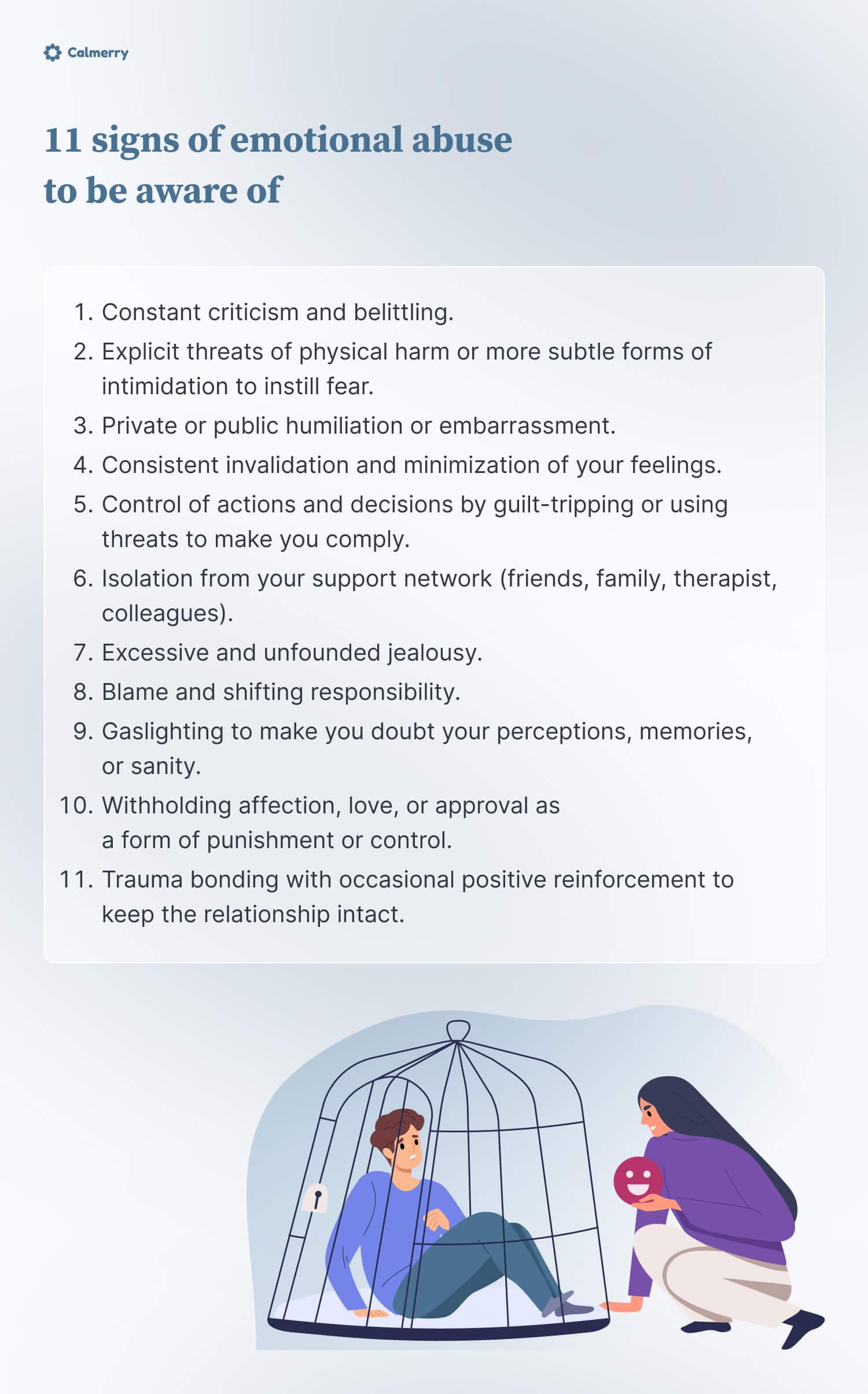
    Understanding the subtle behavioral cues that indicate emotional abuse is crucial to breaking free from its damaging hold. Often, these patterns manifest as consistent actions rather than isolated incidents. Victims may notice a gradual erosion of their self-esteem as the abuser employs tactics such as persistent criticism, withholding affection, or manipulative guilt-tripping. These behaviors are designed to control and silence, leaving the abused partner feeling confused and isolated without obvious signs of physical harm.

    Key red flags include:

    • Frequent silent treatments intended to punish or assert dominance.
    • Gaslighting, where the abuser denies reality, causing self-doubt.
    • Inconsistent expressions of love or support, leaving the victim anxious and desperate for approval.
    • Minimizing feelings or blaming the victim for conflicts or issues in the relationship.

    Recognizing these patterns requires awareness and courage, as emotional abuse often feels invisible and insidious. By naming these behaviors, victims can start to reclaim their voice and seek the support needed to heal.

    The Long-Term Consequences of Emotional Neglect in Relationships

    Emotional neglect in relationships stealthily erodes the foundation of trust and intimacy, often leaving lasting scars that are not immediately visible. Individuals subjected to sustained neglect may develop deep-seated feelings of unworthiness and invisibility, which can manifest as anxiety, depression, or difficulty forming healthy attachments in future relationships. Over time, the persistent absence of emotional support can distort a person’s self-perception, making them question their value and legitimacy in expressing needs or emotions.

    The repercussions extend beyond the personal sphere, affecting social interactions and overall well-being. Some common long-term effects include:

    • Chronic Emotional Isolation: A tendency to withdraw from others to avoid potential neglect or rejection.
    • Impaired Communication Skills: Difficulty articulating feelings or asserting boundaries, stemming from years of invalidation.
    • Heightened Sensitivity to Rejection: An amplified fear of abandonment that triggers defensive or avoidant behaviors.
    • Trust Issues: An ongoing struggle to believe in the sincerity and reliability of others, often sabotaging relationships.

    Effective Strategies for Communication and Seeking Support

    When navigating the pain of emotional abuse, finding your voice amidst silence is crucial. Begin by setting clear boundaries and expressing your feelings without fear of judgment. Use “I” statements to communicate personal experiences, such as, “I feel hurt when I am ignored,” which helps avoid triggering defensiveness in the abuser. Surround yourself with individuals who validate your emotions and encourage open dialogue, whether friends, family members, or support groups. Remember, your feelings are valid and deserve to be heard.

    Seeking support often requires courage, especially when the abuser isolates you. Consider these effective strategies:

    • Keep a private journal to document your experiences and emotions; this can provide clarity and a sense of control.
    • Reach out to trusted professionals, such as counselors or therapists trained in emotional abuse recovery.
    • Use anonymous helplines or online forums if direct communication feels too risky or overwhelming.
    • Develop a safety plan that outlines steps for when the situation escalates, ensuring your well-being is prioritized.

    Insights and Conclusions

    Understanding the silent treatment as a form of emotional abuse is crucial in recognizing the subtle yet damaging ways it can affect relationships. It’s more than just a moment of quiet—it’s a powerful tool that can isolate, manipulate, and hurt. If you or someone you know is experiencing this, remember that acknowledging the problem is the first step toward healing. Seeking support, setting boundaries, and prioritizing emotional well-being are essential moves toward breaking free from the silence. No one deserves to be silenced—your voice matters, and your feelings are valid.

    Share. Facebook Twitter Pinterest WhatsApp
    Previous ArticleGray Rocking: Staying Calm When No Contact Isn’t Possible
    Next Article Healing Complex PTSD After Narcissistic Relationships

    Related Posts

    Red Flags

    How to Recognize If You’re Being Love Bombed: A Guide

    Red Flags

    How Toxic People Weaponize Guilt to Manipulate You

    Red Flags

    Spotting Control Disguised as Concern: A Clear Warning

    Red Flags

    Understanding Triangulation: Toxic Dynamics Explained Clearly

    Leave A Reply Cancel Reply

    Stay In Touch
    • Facebook
    • Twitter
    • Instagram
    • Pinterest

    Subscribe to Updates

    Get The Latest News, Updates, And Amazing Offers

    Top Posts
    Red Flags

    The Hidden Effects of Intermittent Reinforcement in Love

    NPD

    Living with Someone with NPD: Key Challenges Explained

    Communication

    What Is Projection and Why Narcissists Rely on It

    Going No Contact

    What to Expect During the First 30 Days of No Contact

    NPD

    How Childhood Trauma Shapes Narcissistic Personality Disorder

    About

    The word “narc” is short for narcissist — someone who often puts themselves first, shows little empathy, and can be controlling or emotionally hurtful. Some people like this may have Narcissistic Personality Disorder (NPD), while others just show strong narcissistic behavior.

    KnowYourNarc.com is here to help you recognize this kind of behavior. Whether you’ve been in a relationship with a narcissist, are trying to understand someone in your life, or want to support someone else, this website gives you clear information, support, and tools to protect yourself and heal.

    Subscribe to Updates

    Get The Latest News, Updates, And Amazing Offers

    Our Picks
    NPD July 3, 2025

    Unpacking the Fragile Self-Esteem Behind Narcissistic Traits

    NPD June 1, 2025

    Navigating Life with a Loved One Who Has NPD: Challenges

    Relationships July 16, 2025

    Breaking Free: Ending a Narcissistic Love and Finding Peace

    KnowYourNarc
    Facebook X (Twitter) Instagram Pinterest
    • Home
    • About Us
    • Contact us
    • Privacy Policy
    • Terms & Conditions
    © 2026 KnowYourNarc.

    Type above and press Enter to search. Press Esc to cancel.