Close Menu
KnowYourNarc
    What's Hot
    Red Flags

    Why You Feel Mentally Drained Around Toxic People

    Parents & Family

    The Golden Child and Scapegoat: Roles in Narcissistic Homes

    NPD

    Is Narcissistic Personality Disorder Inherited? Exploring Genetics

    Subscribe to Updates

    Get The Latest News, Updates, And Amazing Offers

    Important Pages:
    • Home
    • About Us
    • Contact us
    • Privacy Policy
    • Terms & Conditions
    Facebook X (Twitter) Instagram Pinterest
    Facebook X (Twitter) Instagram Pinterest
    KnowYourNarc
    • Understanding Narcissism

      The Painful Dance: Golden Child vs Scapegoat in Narcissistic Families

      June 22, 2025

      Healthy Confidence vs. Narcissism: Key Differences Explained

      June 21, 2025

      How Social Media Fuels Narcissistic Behaviors Today

      June 20, 2025

      Overt vs. Covert Narcissists: Key Differences Explained

      June 19, 2025

      Narcissism in Men vs. Women: Exploring Key Differences

      June 18, 2025
    • Covert Narcissism

      Spotting Covert Narcissism at Work: Key Warning Signs

      August 18, 2025

      Breaking Free: True Tales of Escaping Covert Narc Abuse

      August 17, 2025

      The Subtle Allure of the Covert Narcissist Explained

      August 16, 2025

      Surviving Covert Narcissistic Abuse: True Stories of Hope

      July 1, 2025

      How Covert Narcissists Quietly Win Over Time: A Friendly Guide

      June 30, 2025
    • Communication

      Spotting Triangulation in Narcissistic Talk: A Friendly Guide

      July 2, 2025

      What Is Projection and Why Narcissists Rely on It

      July 1, 2025

      The Power of Narcissistic Rage in Verbal Attacks: Explained

      June 30, 2025

      Breaking Down Circular Conversations with Narcissists

      June 29, 2025

      Breaking the Cycle: Understanding Narcissistic Talk Patterns

      June 28, 2025
    • Parents & Family

      Breaking Free: Healing from Narcissistic Parental Control

      August 17, 2025

      Healing the Hidden Wounds of Narcissistic Family Neglect

      August 16, 2025

      Healing from Narcissistic Parents: Navigating Adult Love

      July 23, 2025

      Gaslighting from a Parent: Recognize It and Begin Healing

      July 22, 2025

      10 Signs You Grew Up with a Narcissistic Parent

      July 21, 2025
    • Friendships

      How Narcissistic Friends Isolate You Using Other People

      August 17, 2025

      Love-Bombing in Friendships: When Closeness Moves Too Fast

      July 2, 2025

      When You’re the Therapist, Not the Friend: Setting Boundaries

      July 1, 2025

      When Envy Hides: The Narcissist in Your Friendship

      June 30, 2025

      When You Outgrow a Narcissistic Friend: What to Expect

      June 29, 2025
    • Relationships

      Spotting Narcissistic Boss Manipulation: Protect Your Soul

      August 24, 2025

      How to Document Abuse from a Narcissistic Boss at Work

      August 23, 2025

      When Your Manager’s a Narcissist: Spot Signs + Survive

      August 22, 2025

      Healing Your Soul: Setting Boundaries with a Narcissistic Parent

      August 21, 2025

      How Narcissistic Moms Shape Daughters’ Fragile Self-Esteem

      August 20, 2025
    • Dating

      Rebuilding Self-Trust: Your Guide Before Dating Again

      January 15, 2026

      Why Taking a Break from Dating Can Be a Smart Power Move

      January 14, 2026

      What Safe and Healthy Love Actually Feels Like: A Guide

      January 13, 2026

      How to Express Your Needs Clearly Without Feeling Afraid

      January 12, 2026

      Breaking Free: How to Avoid Toxic Relationship Patterns

      January 11, 2026
    • NPD

      NPD vs. Healthy Self-Esteem: Key Differences Explained

      August 20, 2025

      Setting Boundaries with Someone Who Has Narcissistic Personality Disorder

      August 19, 2025

      Common Comorbid Disorders Associated with NPD Explained

      August 18, 2025

      Understanding Grandiosity’s Role in Narcissistic Personality Disorder

      August 17, 2025

      Understanding Narcissistic Personality Disorder: A Clear Overview

      July 9, 2025
    • Going No Contact

      How to Stay Strong and Resist Breaking No Contact Rules

      June 16, 2025

      Navigating Mutual Friends After Going No Contact: A Guide

      June 14, 2025

      Creating Self-Care Routines to Maintain Emotional Distance

      June 13, 2025

      Gray Rocking: How to Set Boundaries Without Full No Contact

      June 12, 2025

      Why Going No Contact with Narcissists Is a Game-Changer

      June 11, 2025
    • Red Flags

      How to Recognize If You’re Being Love Bombed: A Guide

      August 20, 2025

      How Toxic People Weaponize Guilt to Manipulate You

      August 19, 2025

      Spotting Control Disguised as Concern: A Clear Warning

      August 18, 2025

      Understanding Triangulation: Toxic Dynamics Explained Clearly

      August 17, 2025

      10 Clear Signs You’re Being Emotionally Manipulated Today

      June 19, 2025
    • Recovery

      Creating a Safe Space for Healing and Emotional Growth at Home

      August 20, 2025

      Healing Forward: Recognize Your Emotional Needs After Narcissism

      August 19, 2025

      Empower Yourself: Thrive with Self-Care and Mindful Choices

      August 18, 2025

      Boost Your Self-Worth: Powerful Affirmations to Rebuild You

      August 17, 2025

      How Group Support Boosts Speedy Emotional Healing

      June 17, 2025
    • Real Stories

      Breaking Free: A Survivor’s Journey from Trauma Bond to Hope

      August 22, 2025

      Unmasking Love: My Journey with a Covert Narcissist

      August 21, 2025

      How I Broke Free from a Narcissistic Relationship Journey

      August 20, 2025

      Healing After Years: My Journey Beyond a Covert Narcissist

      August 19, 2025

      Healing from Narcissistic Parents: My Personal Journey

      August 18, 2025
    KnowYourNarc
    You are at:Home » Healing Complex PTSD After Narcissistic Relationships
    Recovery

    Healing Complex PTSD After Narcissistic Relationships

    May 25, 2025
    Share Facebook Twitter Pinterest WhatsApp
    Healing Complex PTSD After Narcissistic Relationships
    Share
    Facebook Twitter Pinterest WhatsApp

    : A Journey Toward Renewal

    Emerging from the shadows of a narcissistic relationship can feel like stepping into a storm’s aftermath—disorienting, painful, and overwhelming. Complex PTSD (C-PTSD) often lingers long after the relationship ends, weaving a web of emotional wounds that can make healing seem impossible. But here’s the hopeful truth: recovery is not only possible, it’s profoundly transformative. In this article, we’ll explore how to recognize the scars left behind, understand the unique challenges of healing from C-PTSD caused by narcissistic abuse, and embrace strategies that lead to resilience, self-compassion, and a vibrant new beginning. This journey is yours to reclaim—with strength, grace, and hope lighting the way.

    Table of Contents

    • Understanding the Impact of Narcissistic Relationships on Complex PTSD
    • Rebuilding Your Sense of Self with Compassionate Self-Care Practices
    • Effective Therapeutic Approaches for Healing Complex PTSD
    • Cultivating Healthy Boundaries and Empowering Future Connections
    • In Conclusion

    Understanding the Impact of Narcissistic Relationships on Complex PTSD

    Navigating the aftermath of a relationship with a narcissist often leaves deep emotional scars that can manifest as complex PTSD. This trauma is not just about isolated episodes but a continuous pattern of manipulation, gaslighting, and emotional neglect that undermines your sense of self. The relentless cycle of idealization and devaluation can distort reality, making it difficult to trust your own perceptions and emotions. Over time, victims can internalize blame and develop coping mechanisms that, while protective in the moment, may contribute to long-term psychological distress.

    Healing involves more than addressing symptoms—it requires rebuilding a solid foundation of self-worth and emotional safety. Recognizing the patterns that defined the relationship is essential, as is understanding how these experiences have affected your brain’s response to stress and intimacy. Effective recovery often includes:

    • Therapeutic support focused on trauma-sensitive approaches
    • Developing healthy boundaries to protect emotional health
    • Mindfulness and grounding techniques to regain control over intrusive memories and emotions
    • Reconnecting with your identity beyond the influence of the narcissist

    Embracing these steps empowers survivors to reclaim their narrative and cultivate resilience, transforming pain into growth and a renewed sense of self.

    Rebuilding Your Sense of Self with Compassionate Self-Care Practices

    When emerging from the shadows of a narcissistic relationship, reconnecting with your true self becomes a vital act of healing. This journey begins with *gentle acceptance*—acknowledging your experiences without judgment and allowing space for vulnerability. Prioritize practices that nurture your mind, body, and spirit by engaging in activities that feel safe and restorative. Whether it’s journaling your thoughts, spending time in nature, or simply sitting in quiet reflection, these moments cultivate a renewed sense of confidence and authenticity. Remember, rebuilding your identity isn’t an overnight process, but with patience and kindness toward yourself, each small step fosters the growth of a resilient inner foundation.

    Incorporating compassionate self-care into daily life might include:

    • Setting gentle boundaries to protect your emotional space
    • Practicing mindfulness or meditation to anchor yourself in the present
    • Engaging in creative outlets—art, music, or writing—that express your evolving self
    • Prioritizing restorative sleep and nourishing your body with balanced nutrition
    • Seeking support through therapy or trusted community connections

    Each of these approaches isn’t simply about survival but about blossoming into your most compassionate, empowered self—where healing unfolds naturally and hope takes root once again.

    Effective Therapeutic Approaches for Healing Complex PTSD

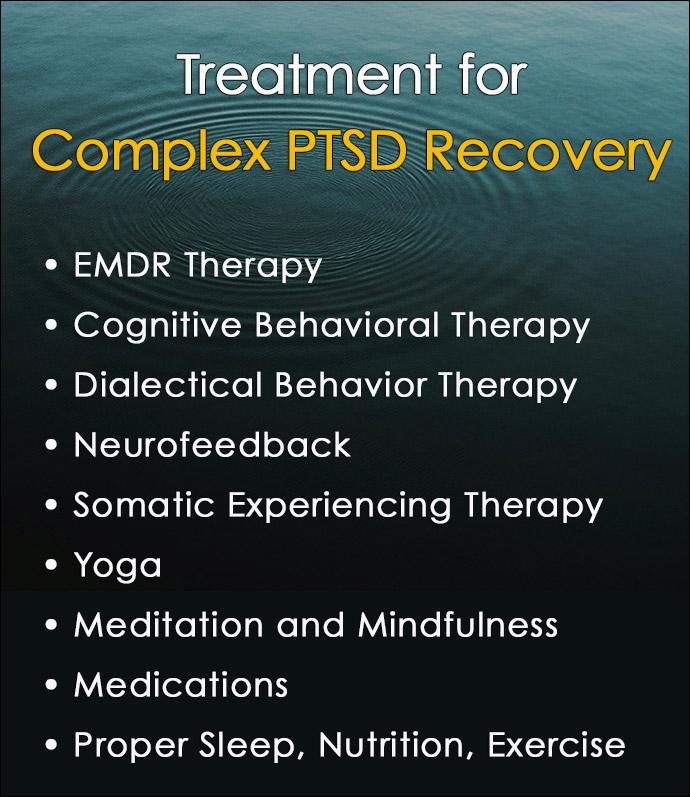
    Recovery from the deep wounds left by narcissistic relationships involves a holistic and compassionate approach focusing on safety, self-awareness, and empowerment. One of the most effective paths includes trauma-informed therapies such as Eye Movement Desensitization and Reprocessing (EMDR) and Somatic Experiencing, which help process stored trauma in a way the mind and body can understand. Integrating mindfulness practices aids survivors in reconnecting with their present selves, fostering resilience against intrusive thoughts and emotional dysregulation that often accompany complex PTSD. Additionally, creating a strong support network through group therapy or close relationships can instill hope and reduce isolation, vital for rebuilding a sense of trust and safety.

    Beyond traditional talk therapies, innovative approaches such as Art Therapy and Nature-Based Healing are gaining traction for their gentle yet profound impact on trauma recovery. They offer non-verbal ways to express and release feelings that may be too overwhelming to articulate. Key practices include:

    • Developing grounding techniques to navigate emotional triggers
    • Setting firm boundaries to protect personal well-being
    • Engaging in self-compassion exercises that rebuild self-worth

    Embracing a personalized healing journey, where one honors their pace and acknowledges every small victory, is essential to transforming pain into restored strength and vibrant life after narcissistic abuse.

    Cultivating Healthy Boundaries and Empowering Future Connections

    Reclaiming your personal power begins with recognizing the importance of setting clear, respectful limits that protect your emotional well-being. Start by identifying what feels comfortable and safe for you, then communicate these boundaries assertively but kindly. Remember, boundaries aren’t walls to keep others out—they are bridges that foster trust and mutual respect, allowing relationships to flourish in a healthy way. Embracing this mindset helps transform your interactions, reducing anxiety and creating space for genuine connections to thrive.

    Empowerment after trauma also involves cultivating a strong support network built on authenticity and understanding. Surround yourself with people who honor your journey and encourage your growth. Some strategies to nurture these vital connections include:

    • Engaging in mindful communication, where listening and empathy are prioritized
    • Practicing self-compassion to reinforce your sense of worth and resilience
    • Seeking out communities and groups that share your interests and values
    • Continuously evaluating your relationships to ensure they uplift rather than drain you

    By investing in yourself and these empowering connections, you pave the way for a future defined not by past wounds but by strength, love, and mutual respect.

    In Conclusion

    Healing from Complex PTSD after narcissistic relationships is a journey—sometimes challenging, but always possible. Each step you take toward understanding your trauma, setting boundaries, and nurturing yourself is a victory worth celebrating. Remember, healing isn’t linear, and it’s okay to ask for help along the way. With patience, self-compassion, and support, you can reclaim your sense of self and build a future filled with resilience and hope. Your past does not define you; your strength does. Keep moving forward—you’re not alone, and brighter days are ahead.

    Share. Facebook Twitter Pinterest WhatsApp
    Previous ArticleThe Silent Treatment: Recognizing Emotional Abuse Signs
    Next Article How I Reclaimed My Confidence After Narcissistic Abuse

    Related Posts

    Recovery

    Creating a Safe Space for Healing and Emotional Growth at Home

    Recovery

    Healing Forward: Recognize Your Emotional Needs After Narcissism

    Recovery

    Empower Yourself: Thrive with Self-Care and Mindful Choices

    Recovery

    Boost Your Self-Worth: Powerful Affirmations to Rebuild You

    Leave A Reply Cancel Reply

    Stay In Touch
    • Facebook
    • Twitter
    • Instagram
    • Pinterest

    Subscribe to Updates

    Get The Latest News, Updates, And Amazing Offers

    Top Posts
    Parents & Family

    Finding Self-Worth: Healing from Narcissistic Family Bonds

    Friendships

    How to Spot If Your Friend Might Be a Narcissist

    Covert Narcissism

    Healing and Growing After a Relationship with a Covert Narcissist

    Narcissism

    Why Narcissists Find It Hard to Feel True Empathy

    Dating

    Why Taking a Break from Dating Is Actually a Power Move

    About

    The word “narc” is short for narcissist — someone who often puts themselves first, shows little empathy, and can be controlling or emotionally hurtful. Some people like this may have Narcissistic Personality Disorder (NPD), while others just show strong narcissistic behavior.

    KnowYourNarc.com is here to help you recognize this kind of behavior. Whether you’ve been in a relationship with a narcissist, are trying to understand someone in your life, or want to support someone else, this website gives you clear information, support, and tools to protect yourself and heal.

    Subscribe to Updates

    Get The Latest News, Updates, And Amazing Offers

    Our Picks
    Real Stories August 18, 2025

    Healing from Narcissistic Parents: My Personal Journey

    Communication June 25, 2025

    Why Arguing with a Narcissist Is a Losing Battle

    Going No Contact May 26, 2025

    How to Handle Flying Monkeys and Smear Campaigns Calmly

    KnowYourNarc
    Facebook X (Twitter) Instagram Pinterest
    • Home
    • About Us
    • Contact us
    • Privacy Policy
    • Terms & Conditions
    © 2026 KnowYourNarc.

    Type above and press Enter to search. Press Esc to cancel.