Close Menu
KnowYourNarc
    What's Hot
    Parents & Family

    Healing from Narcissistic Parental Abuse: A Gentle Guide

    Friendships

    How to Spot If Your Friend Might Be a Narcissist

    Recovery

    Healing Through the Body: Somatic Therapy & Trauma Recovery

    Subscribe to Updates

    Get The Latest News, Updates, And Amazing Offers

    Important Pages:
    • Home
    • About Us
    • Contact us
    • Privacy Policy
    • Terms & Conditions
    Facebook X (Twitter) Instagram Pinterest
    Facebook X (Twitter) Instagram Pinterest
    KnowYourNarc
    • Understanding Narcissism

      The Painful Dance: Golden Child vs Scapegoat in Narcissistic Families

      June 22, 2025

      Healthy Confidence vs. Narcissism: Key Differences Explained

      June 21, 2025

      How Social Media Fuels Narcissistic Behaviors Today

      June 20, 2025

      Overt vs. Covert Narcissists: Key Differences Explained

      June 19, 2025

      Narcissism in Men vs. Women: Exploring Key Differences

      June 18, 2025
    • Covert Narcissism

      Spotting Covert Narcissism at Work: Key Warning Signs

      August 18, 2025

      Breaking Free: True Tales of Escaping Covert Narc Abuse

      August 17, 2025

      The Subtle Allure of the Covert Narcissist Explained

      August 16, 2025

      Surviving Covert Narcissistic Abuse: True Stories of Hope

      July 1, 2025

      How Covert Narcissists Quietly Win Over Time: A Friendly Guide

      June 30, 2025
    • Communication

      Spotting Triangulation in Narcissistic Talk: A Friendly Guide

      July 2, 2025

      What Is Projection and Why Narcissists Rely on It

      July 1, 2025

      The Power of Narcissistic Rage in Verbal Attacks: Explained

      June 30, 2025

      Breaking Down Circular Conversations with Narcissists

      June 29, 2025

      Breaking the Cycle: Understanding Narcissistic Talk Patterns

      June 28, 2025
    • Parents & Family

      Breaking Free: Healing from Narcissistic Parental Control

      August 17, 2025

      Healing the Hidden Wounds of Narcissistic Family Neglect

      August 16, 2025

      Healing from Narcissistic Parents: Navigating Adult Love

      July 23, 2025

      Gaslighting from a Parent: Recognize It and Begin Healing

      July 22, 2025

      10 Signs You Grew Up with a Narcissistic Parent

      July 21, 2025
    • Friendships

      How Narcissistic Friends Isolate You Using Other People

      August 17, 2025

      Love-Bombing in Friendships: When Closeness Moves Too Fast

      July 2, 2025

      When You’re the Therapist, Not the Friend: Setting Boundaries

      July 1, 2025

      When Envy Hides: The Narcissist in Your Friendship

      June 30, 2025

      When You Outgrow a Narcissistic Friend: What to Expect

      June 29, 2025
    • Relationships

      Spotting Narcissistic Boss Manipulation: Protect Your Soul

      August 24, 2025

      How to Document Abuse from a Narcissistic Boss at Work

      August 23, 2025

      When Your Manager’s a Narcissist: Spot Signs + Survive

      August 22, 2025

      Healing Your Soul: Setting Boundaries with a Narcissistic Parent

      August 21, 2025

      How Narcissistic Moms Shape Daughters’ Fragile Self-Esteem

      August 20, 2025
    • Dating

      Green Flags to Spot in a Potential Partner: What to Watch For

      August 27, 2025

      How to Identify Early Red Flags in New Relationships

      August 26, 2025

      Navigating Dating While Healing from Narcissistic Abuse

      August 25, 2025

      Setting Healthy Boundaries with New Partners: A Guide

      August 24, 2025

      How to Avoid Idealizing Someone New Too Quickly: Tips

      August 23, 2025
    • NPD

      NPD vs. Healthy Self-Esteem: Key Differences Explained

      August 20, 2025

      Setting Boundaries with Someone Who Has Narcissistic Personality Disorder

      August 19, 2025

      Common Comorbid Disorders Associated with NPD Explained

      August 18, 2025

      Understanding Grandiosity’s Role in Narcissistic Personality Disorder

      August 17, 2025

      Understanding Narcissistic Personality Disorder: A Clear Overview

      July 9, 2025
    • Going No Contact

      How to Stay Strong and Resist Breaking No Contact Rules

      June 16, 2025

      Navigating Mutual Friends After Going No Contact: A Guide

      June 14, 2025

      Creating Self-Care Routines to Maintain Emotional Distance

      June 13, 2025

      Gray Rocking: How to Set Boundaries Without Full No Contact

      June 12, 2025

      Why Going No Contact with Narcissists Is a Game-Changer

      June 11, 2025
    • Red Flags

      How to Recognize If You’re Being Love Bombed: A Guide

      August 20, 2025

      How Toxic People Weaponize Guilt to Manipulate You

      August 19, 2025

      Spotting Control Disguised as Concern: A Clear Warning

      August 18, 2025

      Understanding Triangulation: Toxic Dynamics Explained Clearly

      August 17, 2025

      10 Clear Signs You’re Being Emotionally Manipulated Today

      June 19, 2025
    • Recovery

      Creating a Safe Space for Healing and Emotional Growth at Home

      August 20, 2025

      Healing Forward: Recognize Your Emotional Needs After Narcissism

      August 19, 2025

      Empower Yourself: Thrive with Self-Care and Mindful Choices

      August 18, 2025

      Boost Your Self-Worth: Powerful Affirmations to Rebuild You

      August 17, 2025

      How Group Support Boosts Speedy Emotional Healing

      June 17, 2025
    • Real Stories

      Breaking Free: A Survivor’s Journey from Trauma Bond to Hope

      August 22, 2025

      Unmasking Love: My Journey with a Covert Narcissist

      August 21, 2025

      How I Broke Free from a Narcissistic Relationship Journey

      August 20, 2025

      Healing After Years: My Journey Beyond a Covert Narcissist

      August 19, 2025

      Healing from Narcissistic Parents: My Personal Journey

      August 18, 2025
    KnowYourNarc
    You are at:Home » Healthy Conflict vs. Toxic Behavior: Key Differences Explained
    Red Flags

    Healthy Conflict vs. Toxic Behavior: Key Differences Explained

    May 21, 2025
    Share Facebook Twitter Pinterest WhatsApp
    Healthy Conflict vs. Toxic Behavior: Key Differences Explained
    Share
    Facebook Twitter Pinterest WhatsApp

    Conflict is an inevitable part of human interaction, whether in the workplace, within families, or among friends. Yet, not all conflicts are created equal. While some disagreements can lead to growth, understanding, and stronger relationships, others breed resentment, stress, and division. Recognizing the difference between healthy conflict and toxic behavior is essential for maintaining both personal well-being and productive connections. In this article, we’ll explore the key distinctions between these two dynamics, helping you navigate challenging situations with greater clarity and intention.

    Table of Contents

    • Understanding the Foundations of Healthy Conflict in Relationships
    • Identifying Toxic Behavior Patterns That Undermine Communication
    • Effective Strategies to Foster Constructive Conflict Resolution
    • Setting Boundaries and Seeking Support to Combat Toxic Interactions
    • Concluding Remarks

    Understanding the Foundations of Healthy Conflict in Relationships

    At the heart of every thriving relationship lies the ability to navigate disagreements with respect and intention. Healthy conflict is not about winning an argument but about understanding differing perspectives and finding common ground. Unlike toxic interactions that seek to belittle or control, constructive conflict encourages open communication, empathy, and problem-solving. Recognizing when a disagreement serves as a catalyst for growth rather than destruction is essential for building resilience together.

    Several foundational elements distinguish healthy conflict behavior:

    • Active Listening: Engaging fully to understand your partner’s viewpoint without immediate judgment.
    • Emotional Regulation: Keeping emotions in check to prevent escalation and ensure clarity.
    • Respectful Language: Using words that foster connection rather than division.
    • Collaborative Mindset: Working together towards solutions instead of placing blame.

    When these elements are present, conflict becomes an opportunity for deeper connection instead of a source of pain.

    Identifying Toxic Behavior Patterns That Undermine Communication

    Recognizing behaviors that consistently disrupt dialogue is the first step toward salvaging meaningful communication. These patterns often include subtle yet damaging actions such as stonewalling – when someone emotionally withdraws and refuses to engage – or persistent interrupting, which invalidates the other person’s viewpoint. Other harmful signs are passive-aggressiveness, characterized by indirect resistance or sarcasm, and blame-shifting, where accountability is dodged to avoid constructive dialogue. These tendencies work against mutual understanding and stall conflict resolution by fostering resentment and mistrust.

    It’s also crucial to spot when conversations morph into power plays rather than collaborative problem-solving. Toxic patterns include:

    • Using personal attacks or derogatory language
    • Excessive defensiveness that blocks openness
    • Manipulating facts or gaslighting to confuse the other party
    • Constant criticism instead of balanced feedback

    When these behaviors dominate, communication ceases to be a bridge and turns into a battleground, undermining any chance for growth or resolution. Identifying and addressing them early creates space for healthier, more productive exchanges.

    Effective Strategies to Foster Constructive Conflict Resolution

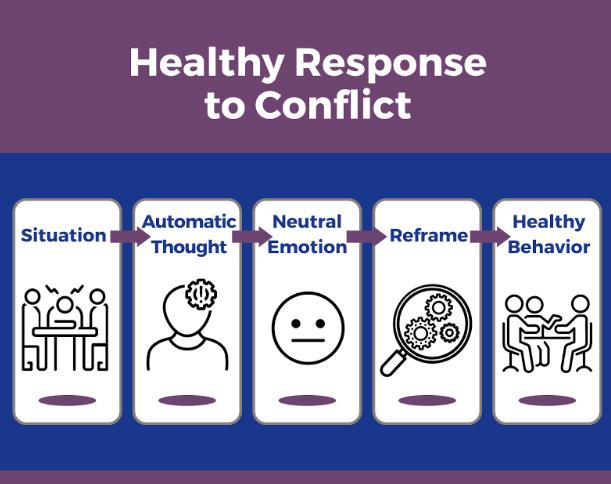
    One of the most powerful ways to encourage healthy discussions during conflicts is to establish a foundation of active listening. This entails giving full attention to the other person’s perspective without immediate judgment or interruption. When parties feel genuinely heard, the emotional charge of the disagreement often diminishes, allowing space for mutual understanding. Additionally, framing disagreements as opportunities for growth rather than threats to personal identity helps shift the focus from defensiveness to collaboration. Incorporating phrases like “I understand your point” or “Let’s explore a solution together” can foster a cooperative atmosphere where both sides feel valued.

    Another essential strategy involves setting clear boundaries and guidelines that distinguish respectful debate from toxic behavior. Implementing agreed-upon communication rules—such as avoiding personal attacks, staying on topic, and allowing equal speaking time—creates a safe environment for all involved. Encouraging the use of “I” statements rather than accusatory language helps reduce blame and keeps conversations constructive. Moreover, coaching teams or individuals to pause and reflect before responding can prevent escalation, promoting thoughtful engagement instead of reactionary conflict. These deliberate approaches not only resolve current disagreements but also build trust and resilience for future challenges.

    Setting Boundaries and Seeking Support to Combat Toxic Interactions

    Establishing clear boundaries is essential for protecting your emotional wellbeing when navigating difficult interactions. Communicate your limits assertively and consistently, ensuring the other party understands which behaviors are unacceptable. Remember, setting boundaries is not about controlling others but about respecting and prioritizing your mental health. Boundaries can include:

    • Limiting the frequency and duration of interactions
    • Refusing to engage in personal attacks or insults
    • Choosing physical or emotional distance when needed
    • Expressing your needs without feeling guilty

    Seeking support is equally vital in counteracting toxic dynamics. Surround yourself with trusted friends, family, or professionals who can provide perspective, validation, and guidance. External support systems empower you to maintain your boundaries and offer a safe space for processing feelings. Remember, you don’t have to face toxicity alone—leaning on others is a sign of strength, not weakness, and a crucial step toward preserving your peace and fostering healthier relationships.

    Concluding Remarks

    Understanding the distinction between healthy conflict and toxic behavior is crucial for fostering productive relationships—whether at work, home, or in social circles. While disagreements are an inevitable part of human interaction, approaching them with respect, empathy, and a willingness to listen transforms conflict into an opportunity for growth. On the other hand, toxic behavior erodes trust, breeds resentment, and damages connections over time. By recognizing the signs and making conscious choices to engage constructively, we can navigate disagreements in ways that strengthen bonds rather than break them. Remember, conflict doesn’t have to be a stumbling block—it can be a stepping stone toward deeper understanding and healthier relationships.

    Share. Facebook Twitter Pinterest WhatsApp
    Previous ArticleHow to Explain No Contact to Supportive Loved Ones Easily
    Next Article Boost Your Confidence: Affirmations to Rebuild Self-Worth

    Related Posts

    Red Flags

    How to Recognize If You’re Being Love Bombed: A Guide

    Red Flags

    How Toxic People Weaponize Guilt to Manipulate You

    Red Flags

    Spotting Control Disguised as Concern: A Clear Warning

    Red Flags

    Understanding Triangulation: Toxic Dynamics Explained Clearly

    Leave A Reply Cancel Reply

    Stay In Touch
    • Facebook
    • Twitter
    • Instagram
    • Pinterest

    Subscribe to Updates

    Get The Latest News, Updates, And Amazing Offers

    Top Posts
    Communication

    How to Set Verbal Boundaries with a Narcissist Easily

    Narcissism

    How to Spot Narcissistic Behavior in Daily Life Patterns

    Going No Contact

    What to Expect During the First 30 Days of No Contact

    Narcissism

    Narcissists’ Self-Image vs. How Others Truly See Them

    Real Stories

    Surviving Divorce: My Journey With a Narcissist Ex

    About

    The word “narc” is short for narcissist — someone who often puts themselves first, shows little empathy, and can be controlling or emotionally hurtful. Some people like this may have Narcissistic Personality Disorder (NPD), while others just show strong narcissistic behavior.

    KnowYourNarc.com is here to help you recognize this kind of behavior. Whether you’ve been in a relationship with a narcissist, are trying to understand someone in your life, or want to support someone else, this website gives you clear information, support, and tools to protect yourself and heal.

    Subscribe to Updates

    Get The Latest News, Updates, And Amazing Offers

    Our Picks
    Communication June 19, 2025

    How Narcissists Twist Words and Rewrite Reality Easily

    Going No Contact May 19, 2025

    How to Emotionally Prepare Before Going No Contact: A Guide

    Dating June 7, 2025

    What Safe and Healthy Love Truly Feels Like: A Guide

    KnowYourNarc
    Facebook X (Twitter) Instagram Pinterest
    • Home
    • About Us
    • Contact us
    • Privacy Policy
    • Terms & Conditions
    © 2025 KnowYourNarc.

    Type above and press Enter to search. Press Esc to cancel.