
Close Menu
KnowYourNarc
    What's Hot
    Parents & Family

    Spotting Narcissistic Parenting Traits: A Gentle Guide

    Relationships

    Dating a Covert Narcissist: The Hidden Emotional Struggle

    NPD

    Key Symptoms to Recognize Narcissistic Personality Disorder

    Subscribe to Updates

    Get The Latest News, Updates, And Amazing Offers

    Important Pages:
    • Home
    • About Us
    • Contact us
    • Privacy Policy
    • Terms & Conditions
    Facebook X (Twitter) Instagram Pinterest
    Facebook X (Twitter) Instagram Pinterest
    KnowYourNarc
    • Understanding Narcissism

      The Painful Dance: Golden Child vs Scapegoat in Narcissistic Families

      June 22, 2025

      Healthy Confidence vs. Narcissism: Key Differences Explained

      June 21, 2025

      How Social Media Fuels Narcissistic Behaviors Today

      June 20, 2025

      Overt vs. Covert Narcissists: Key Differences Explained

      June 19, 2025

      Narcissism in Men vs. Women: Exploring Key Differences

      June 18, 2025
    • Covert Narcissism

      Spotting Covert Narcissism at Work: Key Warning Signs

      August 18, 2025

      Breaking Free: True Tales of Escaping Covert Narc Abuse

      August 17, 2025

      The Subtle Allure of the Covert Narcissist Explained

      August 16, 2025

      Surviving Covert Narcissistic Abuse: True Stories of Hope

      July 1, 2025

      How Covert Narcissists Quietly Win Over Time: A Friendly Guide

      June 30, 2025
    • Communication

      Spotting Triangulation in Narcissistic Talk: A Friendly Guide

      July 2, 2025

      What Is Projection and Why Narcissists Rely on It

      July 1, 2025

      The Power of Narcissistic Rage in Verbal Attacks: Explained

      June 30, 2025

      Breaking Down Circular Conversations with Narcissists

      June 29, 2025

      Breaking the Cycle: Understanding Narcissistic Talk Patterns

      June 28, 2025
    • Parents & Family

      Breaking Free: Healing from Narcissistic Parental Control

      August 17, 2025

      Healing the Hidden Wounds of Narcissistic Family Neglect

      August 16, 2025

      Healing from Narcissistic Parents: Navigating Adult Love

      July 23, 2025

      Gaslighting from a Parent: Recognize It and Begin Healing

      July 22, 2025

      10 Signs You Grew Up with a Narcissistic Parent

      July 21, 2025
    • Friendships

      How Narcissistic Friends Isolate You Using Other People

      August 17, 2025

      Love-Bombing in Friendships: When Closeness Moves Too Fast

      July 2, 2025

      When You’re the Therapist, Not the Friend: Setting Boundaries

      July 1, 2025

      When Envy Hides: The Narcissist in Your Friendship

      June 30, 2025

      When You Outgrow a Narcissistic Friend: What to Expect

      June 29, 2025
    • Relationships

      Spotting Narcissistic Boss Manipulation: Protect Your Soul

      August 24, 2025

      How to Document Abuse from a Narcissistic Boss at Work

      August 23, 2025

      When Your Manager’s a Narcissist: Spot Signs + Survive

      August 22, 2025

      Healing Your Soul: Setting Boundaries with a Narcissistic Parent

      August 21, 2025

      How Narcissistic Moms Shape Daughters’ Fragile Self-Esteem

      August 20, 2025
    • Dating

      Rebuilding Self-Trust: Your Guide Before Dating Again

      January 15, 2026

      Why Taking a Break from Dating Can Be a Smart Power Move

      January 14, 2026

      What Safe and Healthy Love Actually Feels Like: A Guide

      January 13, 2026

      How to Express Your Needs Clearly Without Feeling Afraid

      January 12, 2026

      Breaking Free: How to Avoid Toxic Relationship Patterns

      January 11, 2026
    • NPD

      NPD vs. Healthy Self-Esteem: Key Differences Explained

      August 20, 2025

      Setting Boundaries with Someone Who Has Narcissistic Personality Disorder

      August 19, 2025

      Common Comorbid Disorders Associated with NPD Explained

      August 18, 2025

      Understanding Grandiosity’s Role in Narcissistic Personality Disorder

      August 17, 2025

      Understanding Narcissistic Personality Disorder: A Clear Overview

      July 9, 2025
    • Going No Contact

      How to Stay Strong and Resist Breaking No Contact Rules

      June 16, 2025

      Navigating Mutual Friends After Going No Contact: A Guide

      June 14, 2025

      Creating Self-Care Routines to Maintain Emotional Distance

      June 13, 2025

      Gray Rocking: How to Set Boundaries Without Full No Contact

      June 12, 2025

      Why Going No Contact with Narcissists Is a Game-Changer

      June 11, 2025
    • Red Flags

      How to Recognize If You’re Being Love Bombed: A Guide

      August 20, 2025

      How Toxic People Weaponize Guilt to Manipulate You

      August 19, 2025

      Spotting Control Disguised as Concern: A Clear Warning

      August 18, 2025

      Understanding Triangulation: Toxic Dynamics Explained Clearly

      August 17, 2025

      10 Clear Signs You’re Being Emotionally Manipulated Today

      June 19, 2025
    • Recovery

      Creating a Safe Space for Healing and Emotional Growth at Home

      August 20, 2025

      Healing Forward: Recognize Your Emotional Needs After Narcissism

      August 19, 2025

      Empower Yourself: Thrive with Self-Care and Mindful Choices

      August 18, 2025

      Boost Your Self-Worth: Powerful Affirmations to Rebuild You

      August 17, 2025

      How Group Support Boosts Speedy Emotional Healing

      June 17, 2025
    • Real Stories

      Breaking Free: A Survivor’s Journey from Trauma Bond to Hope

      August 22, 2025

      Unmasking Love: My Journey with a Covert Narcissist

      August 21, 2025

      How I Broke Free from a Narcissistic Relationship Journey

      August 20, 2025

      Healing After Years: My Journey Beyond a Covert Narcissist

      August 19, 2025

      Healing from Narcissistic Parents: My Personal Journey

      August 18, 2025
    KnowYourNarc
    You are at:Home » Why Narcissistic Coworkers Crave Drama and Chaos at Work
    Relationships

    Why Narcissistic Coworkers Crave Drama and Chaos at Work

    May 26, 2025
    Share Facebook Twitter Pinterest WhatsApp
    Why Narcissistic Coworkers Crave Drama and Chaos at Work
    Share
    Facebook Twitter Pinterest WhatsApp

    Ever felt like there’s always some sort of whirlwind swirling around a particular coworker—endless gossip, petty conflicts, and drama that never seems to settle? If you’ve found yourself dreading team meetings or hallway conversations because of that one person who thrives on chaos, you’re not alone. Narcissistic coworkers seem to have an insatiable hunger for drama, stirring the pot to keep all eyes on them. But why do they crave this chaos so desperately? Understanding what drives their toxic behavior isn’t just eye-opening—it’s essential for protecting your own peace of mind and fostering a healthier workplace. Let’s dive into the tangled roots of why narcissistic coworkers thrive on drama and how you can navigate the storm they create.

    Table of Contents

    • Understanding the Deep Insecurities Behind Narcissistic Drama at Work
    • How Narcissistic Coworkers Manipulate Chaos to Boost Their Ego
    • The Emotional Toll of Narcissistic Drama on Team Morale and Productivity
    • Practical Strategies to Protect Yourself and Maintain Peace Around Narcissistic Colleagues
    • To Wrap It Up

    Understanding the Deep Insecurities Behind Narcissistic Drama at Work

    Beneath the surface of their seemingly confident exterior lies a profound vulnerability that narcissistic coworkers desperately try to mask. Their relentless pursuit of drama and chaos is often a reflection of a fragile self-worth that they guard fiercely. When their carefully constructed facade falters, it triggers a deep-seated fear of being exposed as insignificant or incapable. By stirring up workplace turmoil, these individuals attempt to redirect attention away from their perceived shortcomings and onto the distractions they create. In many ways, their craving for conflict serves as a coping mechanism to fill the emptiness where genuine confidence should reside.

    This innate insecurity manifests in behaviors designed to manipulate and control the narrative, often at the expense of others’ well-being. The drama they invite isn’t random; it’s a strategic move to assert dominance and validate their existence. Some telltale signs include:

    • Fueling rumors to destabilize colleagues
    • Exaggerating achievements to command admiration
    • Issuing subtle threats or passive-aggressive remarks to intimidate
    • Playing the victim to gain sympathy and support

    Recognizing these patterns can be a vital step in not only protecting yourself but also in understanding the root causes that drive such toxic workplace dynamics.

    How Narcissistic Coworkers Manipulate Chaos to Boost Their Ego

    Narcissistic coworkers thrive in environments where order breaks down, expertly weaving confusion and conflict to place themselves at the center of attention. They use chaos as a stage to showcase their supposed superiority, often by amplifying disputes or spreading misinformation to destabilize the group dynamic. By positioning themselves as problem-solvers or ultimate decision-makers amid the turmoil, they bolster their fragile egos, relishing the control over others’ emotions and perceptions. This manipulation is rarely overt; instead, it’s subtle, calculated, and designed to keep colleagues off balance and dependent on their “guidance.”

    Their tactics often include:

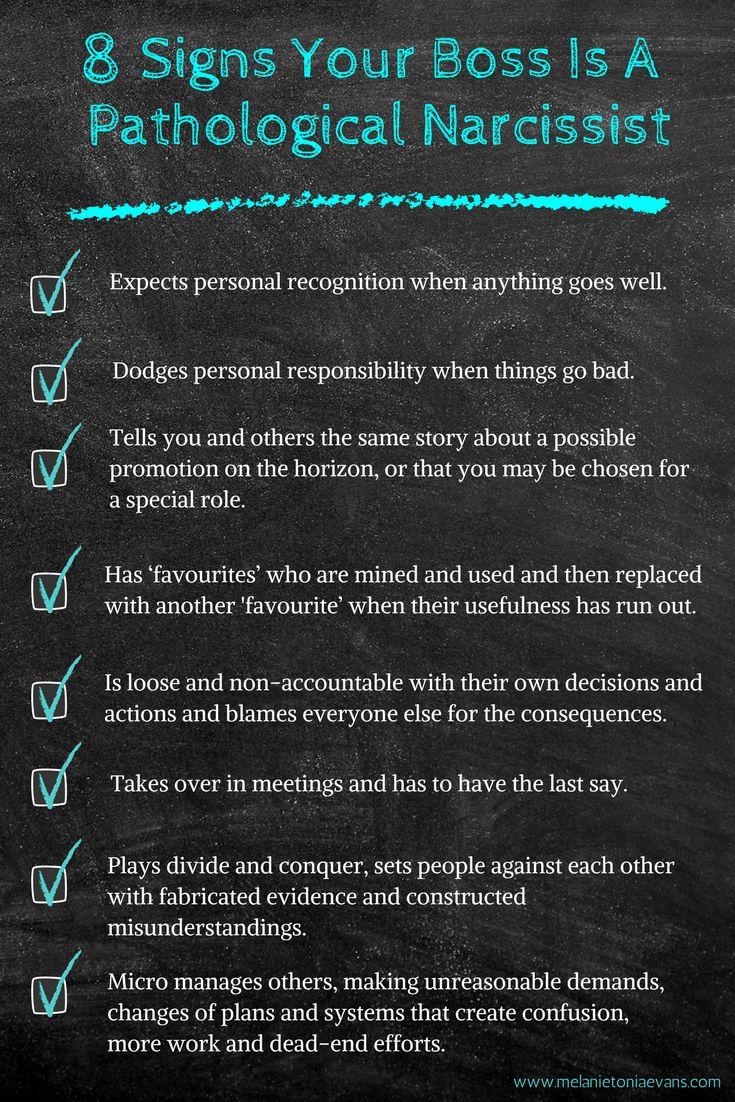
    • Creating rumors or half-truths to ignite suspicion and discord.
    • Undermining others’ credibility while elevating their own achievements.
    • Feigning victimhood to deflect blame or responsibility.
    • Interrupting meetings or conversations to redirect focus toward themselves.

    Such behavior feeds their craving for admiration but drains the team’s morale, leaving coworkers frustrated, demoralized, and trapped in an endless cycle of workplace drama that benefits only the narcissist.

    The Emotional Toll of Narcissistic Drama on Team Morale and Productivity

    When narcissistic coworkers stir up constant conflict and chaos, the emotional landscape of the entire team suffers. Frustration, anxiety, and helplessness start to fester among colleagues who are forced to continuously navigate through manufactured crises and personal attacks. This emotional drain breeds a toxic atmosphere where trust erodes, collaboration falters, and people hesitate to share ideas, fearing manipulation or backstabbing. The weight of enduring drama can leave employees feeling isolated and undervalued, eroding the sense of unity vital for a thriving workplace culture.

    The fallout extends beyond feelings—productivity nosedives as focus shifts from meaningful work to damage control. Teams may experience:

    • Dwindling motivation as energy is consumed by drama instead of progress
    • Increased absenteeism due to stress and disengagement
    • Communication breakdowns that distort goals and stall projects
    • Heightened conflicts sparked by competing egos and insecurity

    Such an environment challenges even the most resilient professionals, making it clear that the emotional cost of narcissistic chaos is as damaging as any missed deadline or lost client.

    Practical Strategies to Protect Yourself and Maintain Peace Around Narcissistic Colleagues

    Standing your ground is essential when dealing with narcissistic coworkers. These individuals thrive on manipulation and often attempt to blur boundaries to extract emotional responses. To maintain your peace, establish clear limits early on and communicate them assertively without aggression. Remember, their tactics may include gaslighting and subtle undermining, so staying anchored in your truth and documentation can prevent you from spiraling into unnecessary drama. Prioritize your emotional well-being by selectively engaging—sometimes the most powerful move is to simply not react to provocations.

    Creating a supportive circle within your workplace can act as a buffer against the chaos they incite. Seek out colleagues who are trustworthy and impartial, and quietly share your experiences to foster mutual understanding. Additionally, consider these practical strategies:

    • Keep communications professional: Use emails or written notes whenever possible to maintain clear records.
    • Focus on tasks, not personalities: Redirect conversations toward job responsibilities to avoid personal attacks.
    • Practice self-care: Engage in stress-relieving activities outside of work to recharge emotionally.

    Implementing these tactics won’t just protect you—they’ll restore your ability to navigate a toxic environment with grace and resilience.

    To Wrap It Up

    Dealing with narcissistic coworkers who thrive on drama and chaos can feel like an emotional rollercoaster—a daily test of patience and strength. Understanding why they crave this turmoil doesn’t just shed light on their behavior; it empowers you to protect your peace and set healthier boundaries. Remember, you’re not responsible for fueling their chaos, and prioritizing your own well-being is not just okay—it’s essential. Stay grounded, stay kind to yourself, and don’t let their storm sweep you away. You deserve a work environment where respect and calmness reign, not endless drama.

    Share. Facebook Twitter Pinterest WhatsApp
    Previous ArticleSpotting Control Tactics Narcissistic Friends Use Everyday
    Next Article NPD in Men vs. Women: Key Differences in Presentation

    Related Posts

    Relationships

    Spotting Narcissistic Boss Manipulation: Protect Your Soul

    Relationships

    How to Document Abuse from a Narcissistic Boss at Work

    Relationships

    When Your Manager’s a Narcissist: Spot Signs + Survive

    Relationships

    Healing Your Soul: Setting Boundaries with a Narcissistic Parent

    Leave A Reply Cancel Reply

    Stay In Touch
    • Facebook
    • Twitter
    • Instagram
    • Pinterest

    Subscribe to Updates

    Get The Latest News, Updates, And Amazing Offers

    Top Posts
    Real Stories

    Growing Up with a Narcissist: Healing My Childhood Story

    Covert Narcissism

    Why Covert Narcissists Are Tougher to Spot Than You Think

    Narcissism

    What Is Covert Narcissism and How to Recognize It Early

    NPD

    Understanding Grandiosity’s Role in Narcissistic Personality Disorder

    Parents & Family

    Spotting Narcissistic Parenting: Key Traits to Recognize

    About

    The word “narc” is short for narcissist — someone who often puts themselves first, shows little empathy, and can be controlling or emotionally hurtful. Some people like this may have Narcissistic Personality Disorder (NPD), while others just show strong narcissistic behavior.

    KnowYourNarc.com is here to help you recognize this kind of behavior. Whether you’ve been in a relationship with a narcissist, are trying to understand someone in your life, or want to support someone else, this website gives you clear information, support, and tools to protect yourself and heal.

    Subscribe to Updates

    Get The Latest News, Updates, And Amazing Offers

    Our Picks
    Real Stories May 21, 2025

    From Idealization to Devaluation: My Personal Journey

    Recovery May 26, 2025

    Rediscovering Your Emotional Needs After Narcissistic Abuse

    Going No Contact May 20, 2025

    Blocking vs. Muting on Social Media: What Really Helps?

    KnowYourNarc
    Facebook X (Twitter) Instagram Pinterest
    • Home
    • About Us
    • Contact us
    • Privacy Policy
    • Terms & Conditions
    © 2026 KnowYourNarc.

    Type above and press Enter to search. Press Esc to cancel.