
Close Menu
KnowYourNarc
    What's Hot
    Parents & Family

    The Golden Child & Scapegoat: Navigating Narcissistic Families

    Communication

    How to Set Clear Verbal Boundaries with a Narcissist

    Relationships

    How Narcissistic Moms Unknowingly Damage Their Daughters’ Self-Esteem

    Subscribe to Updates

    Get The Latest News, Updates, And Amazing Offers

    Important Pages:
    • Home
    • About Us
    • Contact us
    • Privacy Policy
    • Terms & Conditions
    Facebook X (Twitter) Instagram Pinterest
    Facebook X (Twitter) Instagram Pinterest
    KnowYourNarc
    • Understanding Narcissism

      The Painful Dance: Golden Child vs Scapegoat in Narcissistic Families

      June 22, 2025

      Healthy Confidence vs. Narcissism: Key Differences Explained

      June 21, 2025

      How Social Media Fuels Narcissistic Behaviors Today

      June 20, 2025

      Overt vs. Covert Narcissists: Key Differences Explained

      June 19, 2025

      Narcissism in Men vs. Women: Exploring Key Differences

      June 18, 2025
    • Covert Narcissism

      Spotting Covert Narcissism at Work: Key Warning Signs

      August 18, 2025

      Breaking Free: True Tales of Escaping Covert Narc Abuse

      August 17, 2025

      The Subtle Allure of the Covert Narcissist Explained

      August 16, 2025

      Surviving Covert Narcissistic Abuse: True Stories of Hope

      July 1, 2025

      How Covert Narcissists Quietly Win Over Time: A Friendly Guide

      June 30, 2025
    • Communication

      Spotting Triangulation in Narcissistic Talk: A Friendly Guide

      July 2, 2025

      What Is Projection and Why Narcissists Rely on It

      July 1, 2025

      The Power of Narcissistic Rage in Verbal Attacks: Explained

      June 30, 2025

      Breaking Down Circular Conversations with Narcissists

      June 29, 2025

      Breaking the Cycle: Understanding Narcissistic Talk Patterns

      June 28, 2025
    • Parents & Family

      Breaking Free: Healing from Narcissistic Parental Control

      August 17, 2025

      Healing the Hidden Wounds of Narcissistic Family Neglect

      August 16, 2025

      Healing from Narcissistic Parents: Navigating Adult Love

      July 23, 2025

      Gaslighting from a Parent: Recognize It and Begin Healing

      July 22, 2025

      10 Signs You Grew Up with a Narcissistic Parent

      July 21, 2025
    • Friendships

      How Narcissistic Friends Isolate You Using Other People

      August 17, 2025

      Love-Bombing in Friendships: When Closeness Moves Too Fast

      July 2, 2025

      When You’re the Therapist, Not the Friend: Setting Boundaries

      July 1, 2025

      When Envy Hides: The Narcissist in Your Friendship

      June 30, 2025

      When You Outgrow a Narcissistic Friend: What to Expect

      June 29, 2025
    • Relationships

      Spotting Narcissistic Boss Manipulation: Protect Your Soul

      August 24, 2025

      How to Document Abuse from a Narcissistic Boss at Work

      August 23, 2025

      When Your Manager’s a Narcissist: Spot Signs + Survive

      August 22, 2025

      Healing Your Soul: Setting Boundaries with a Narcissistic Parent

      August 21, 2025

      How Narcissistic Moms Shape Daughters’ Fragile Self-Esteem

      August 20, 2025
    • Dating

      Rebuilding Self-Trust: Your Guide Before Dating Again

      January 15, 2026

      Why Taking a Break from Dating Can Be a Smart Power Move

      January 14, 2026

      What Safe and Healthy Love Actually Feels Like: A Guide

      January 13, 2026

      How to Express Your Needs Clearly Without Feeling Afraid

      January 12, 2026

      Breaking Free: How to Avoid Toxic Relationship Patterns

      January 11, 2026
    • NPD

      NPD vs. Healthy Self-Esteem: Key Differences Explained

      August 20, 2025

      Setting Boundaries with Someone Who Has Narcissistic Personality Disorder

      August 19, 2025

      Common Comorbid Disorders Associated with NPD Explained

      August 18, 2025

      Understanding Grandiosity’s Role in Narcissistic Personality Disorder

      August 17, 2025

      Understanding Narcissistic Personality Disorder: A Clear Overview

      July 9, 2025
    • Going No Contact

      How to Stay Strong and Resist Breaking No Contact Rules

      June 16, 2025

      Navigating Mutual Friends After Going No Contact: A Guide

      June 14, 2025

      Creating Self-Care Routines to Maintain Emotional Distance

      June 13, 2025

      Gray Rocking: How to Set Boundaries Without Full No Contact

      June 12, 2025

      Why Going No Contact with Narcissists Is a Game-Changer

      June 11, 2025
    • Red Flags

      How to Recognize If You’re Being Love Bombed: A Guide

      August 20, 2025

      How Toxic People Weaponize Guilt to Manipulate You

      August 19, 2025

      Spotting Control Disguised as Concern: A Clear Warning

      August 18, 2025

      Understanding Triangulation: Toxic Dynamics Explained Clearly

      August 17, 2025

      10 Clear Signs You’re Being Emotionally Manipulated Today

      June 19, 2025
    • Recovery

      Creating a Safe Space for Healing and Emotional Growth at Home

      August 20, 2025

      Healing Forward: Recognize Your Emotional Needs After Narcissism

      August 19, 2025

      Empower Yourself: Thrive with Self-Care and Mindful Choices

      August 18, 2025

      Boost Your Self-Worth: Powerful Affirmations to Rebuild You

      August 17, 2025

      How Group Support Boosts Speedy Emotional Healing

      June 17, 2025
    • Real Stories

      Breaking Free: A Survivor’s Journey from Trauma Bond to Hope

      August 22, 2025

      Unmasking Love: My Journey with a Covert Narcissist

      August 21, 2025

      How I Broke Free from a Narcissistic Relationship Journey

      August 20, 2025

      Healing After Years: My Journey Beyond a Covert Narcissist

      August 19, 2025

      Healing from Narcissistic Parents: My Personal Journey

      August 18, 2025
    KnowYourNarc
    You are at:Home » How Narcissists Always Play the Victim: A Friendly Guide
    Communication

    How Narcissists Always Play the Victim: A Friendly Guide

    May 25, 2025
    Share Facebook Twitter Pinterest WhatsApp
    How Narcissists Always Play the Victim: A Friendly Guide
    Share
    Facebook Twitter Pinterest WhatsApp

    Hey there! If you’ve ever found yourself tangled in a conversation where someone just can’t seem to take responsibility and instead flips the script to make themselves look like the victim—welcome to the tricky world of narcissists. It’s not always easy to spot, especially when the victim act feels so convincing. But understanding this pattern can be a game-changer, helping you set healthier boundaries and protect your own peace of mind. In this friendly guide, we’re going to break down why narcissists always play the victim, what that looks like in real life, and how you can navigate these tricky dynamics with a little more confidence and clarity. Let’s dive in!

    Table of Contents

    • Understanding the Narcissist’s Victim Playbook and Why It Works
    • Spotting the Red Flags When Narcissists Turn the Tables on You
    • Gentle Strategies to Maintain Your Boundaries Without Burning Bridges
    • How to Stay Compassionate Without Getting Caught in the Victim Drama
    • To Conclude

    Understanding the Narcissist’s Victim Playbook and Why It Works

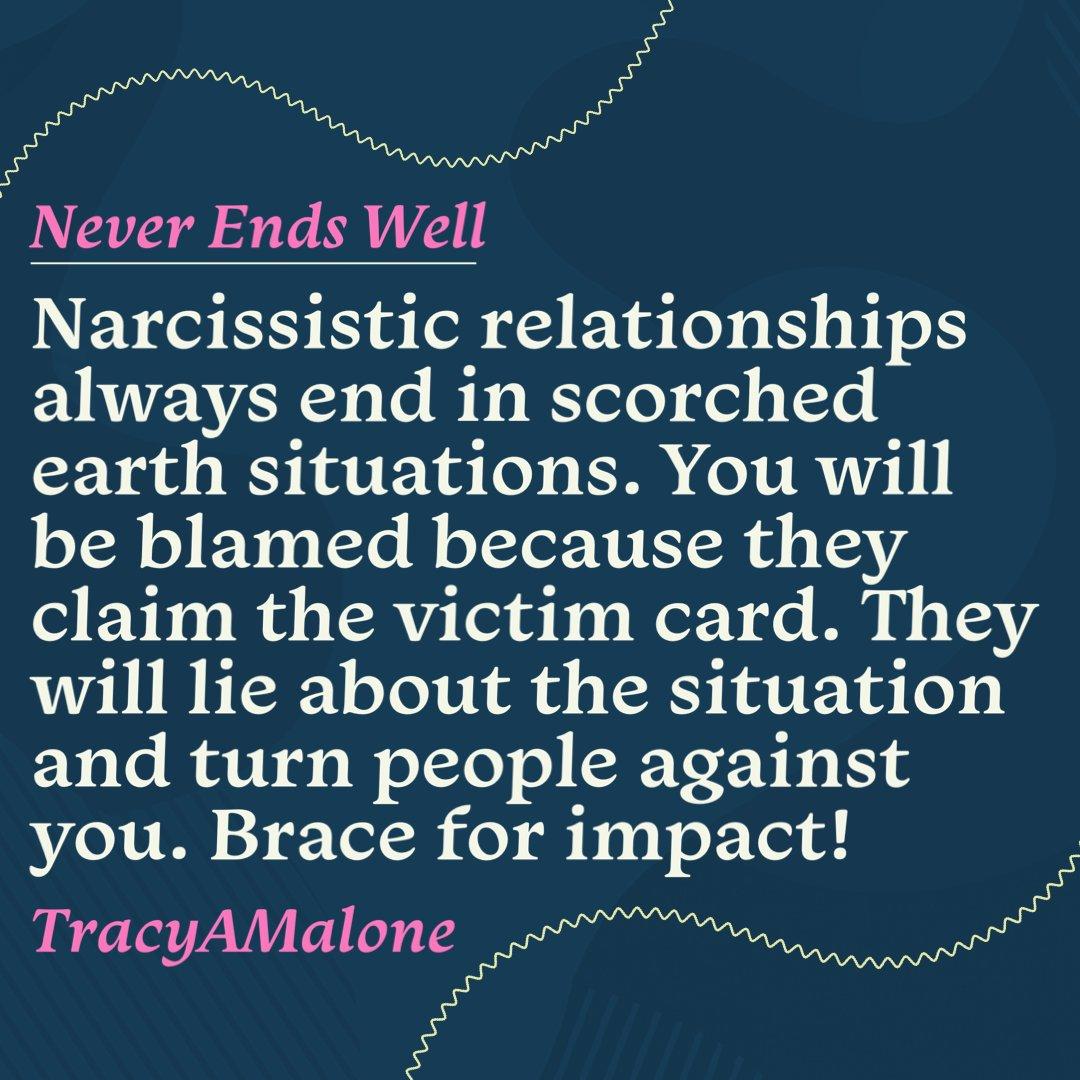
    At the core of the narcissist’s victim strategy lies a finely tuned mechanism designed to deflect responsibility and garner sympathy. By positioning themselves as the ultimate sufferer, they effectively manipulate perceptions and shift the blame to others. This playbook often involves creating dramatic narratives where they are wronged or misunderstood, while conveniently omitting their own toxic behaviors. The brilliance of this tactic is that it taps into our natural empathy, making others second-guess themselves and question the authenticity of their feelings or experiences.

    To break it down, narcissists frequently:

    • Exaggerate minor slights into major injustices
    • Twist facts to suit their story
    • Play on emotions by showcasing vulnerability selectively
    • Use guilt as a tool to control and silence opposition

    This method works because it creates confusion and emotional turmoil for those involved, leaving them caught in a constant state of self-doubt. Recognizing these patterns is the first step toward reclaiming your power and seeing through the smoke screen of victimhood that narcissists so expertly wield.

    Spotting the Red Flags When Narcissists Turn the Tables on You

    When narcissists flip the script and paint themselves as the innocent party, it’s a classic manipulation tactic designed to confuse and control. One of the biggest giveaways is their uncanny ability to twist your words or actions, making it seem like you’re the one at fault. Be alert for subtle digs disguised as concern, or grand displays of victimhood that feel disproportionate to the situation. They might say things like, “I’m only upset because you don’t care about me,” turning a simple disagreement into your “failure” to meet their emotional needs.

    Recognizing these tactics early can save you from being caught in their web. Watch for:

    • Over-exaggerated hurt: Narcissists dramatize their “pain” to deflect responsibility.
    • Projecting blame: They point fingers at you for things only they have caused.
    • Playing the martyr: Acting like they sacrifice endlessly while you simply “take.”
    • Gaslighting: Making you second-guess your reality to gain control.

    Keeping an eye out for these behaviors will empower you to maintain your boundaries and not get swept away in their victim narrative.

    Gentle Strategies to Maintain Your Boundaries Without Burning Bridges

    Setting limits doesn’t have to mean slamming doors or creating uncomfortable silences. Instead, approach your boundaries as gentle reminders of what you’re comfortable with. Using “I” statements such as “I feel overwhelmed when conversations take this turn” or “I need some space to recharge” helps keep the tone personal and non-confrontational, making it less likely to trigger defensive reactions. Remember, maintaining your space isn’t about punishing the other person but about protecting your emotional well-being with kindness and clarity.

    It can also be incredibly effective to employ small strategies that signal your limits without outright confrontation. Try these quick tips:

    • Use reflective listening to acknowledge their feelings before restating your boundary.
    • Set time frames for interactions, like saying, “I can chat for 10 minutes, then I need to focus on my tasks.”
    • Offer alternatives, such as suggesting a different topic or time to continue the discussion.

    These methods pave the way for respect without resentment, allowing relationships to flourish while keeping your peace intact.

    How to Stay Compassionate Without Getting Caught in the Victim Drama

    It’s completely natural to feel compassion when someone shares their struggles, especially with narcissists who masterfully present themselves as victims. However, maintaining empathy doesn’t mean you have to get pulled into their emotional whirlpool. One effective strategy is to set clear emotional boundaries. This helps you acknowledge their pain without internalizing it or allowing it to distort your reality. Remember, compassion is about understanding, not absorbing; you can offer kindness while keeping your own mental space intact.

    Another powerful tool is to stay grounded in facts rather than feelings when dealing with victim narratives. Narcissists often blur lines between truth and manipulation to elicit sympathy. Keeping a mental checklist can help you navigate these encounters:

    • Pause before responding: Give yourself a moment to assess rather than react impulsively.
    • Ask clarifying questions: This shifts focus from drama to concrete details.
    • Recognize patterns: Notice if victim stories repeat without resolution.

    When you lean on these tools, you offer genuine compassion without getting caught up in drama, preserving your emotional health and fostering clearer communication.

    To Conclude

    And there you have it—a friendly peek behind the curtain on how narcissists often play the victim card. Understanding this pattern can be empowering, helping you recognize when you’re being caught in their emotional web. Remember, it’s not about labeling or judging but about protecting your own peace and setting healthier boundaries. So next time you encounter that familiar “woe is me” act, you’ll be a little wiser and a lot more grounded. Thanks for reading, and here’s to navigating relationships with clarity and kindness!

    Share. Facebook Twitter Pinterest WhatsApp
    Previous ArticleHow Covert Narcissists Use Victimhood to Stay in Control
    Next Article When Guilt Hurts: How Narcissistic Parents Control Kids

    Related Posts

    Communication

    Spotting Triangulation in Narcissistic Talk: A Friendly Guide

    Communication

    What Is Projection and Why Narcissists Rely on It

    Communication

    The Power of Narcissistic Rage in Verbal Attacks: Explained

    Communication

    Breaking Down Circular Conversations with Narcissists

    Leave A Reply Cancel Reply

    Stay In Touch
    • Facebook
    • Twitter
    • Instagram
    • Pinterest

    Subscribe to Updates

    Get The Latest News, Updates, And Amazing Offers

    Top Posts
    Communication

    Blame-Shifting in Narcissistic Talks: What to Know

    Communication

    Why Narcissists Always Exaggerate or Lie in Talks

    Going No Contact

    How to Explain No Contact to Supportive Loved Ones Easily

    Dating

    How Therapy Supports You When Dating Again After a Break

    NPD

    Living with Someone with NPD: Key Challenges Explained

    About

    The word “narc” is short for narcissist — someone who often puts themselves first, shows little empathy, and can be controlling or emotionally hurtful. Some people like this may have Narcissistic Personality Disorder (NPD), while others just show strong narcissistic behavior.

    KnowYourNarc.com is here to help you recognize this kind of behavior. Whether you’ve been in a relationship with a narcissist, are trying to understand someone in your life, or want to support someone else, this website gives you clear information, support, and tools to protect yourself and heal.

    Subscribe to Updates

    Get The Latest News, Updates, And Amazing Offers

    Our Picks
    Communication June 14, 2025

    Breaking the Loop: Understanding Narcissists’ Circular Talks

    NPD June 4, 2025

    Uncovering the Link Between Childhood Trauma and NPD

    Recovery May 26, 2025

    Rediscovering Your Emotional Needs After Narcissistic Abuse

    KnowYourNarc
    Facebook X (Twitter) Instagram Pinterest
    • Home
    • About Us
    • Contact us
    • Privacy Policy
    • Terms & Conditions
    © 2026 KnowYourNarc.

    Type above and press Enter to search. Press Esc to cancel.