
Close Menu
KnowYourNarc
    What's Hot
    Parents & Family

    Finding Self-Worth: Healing from Narcissistic Family Bonds

    Communication

    How Narcissists Always Play the Victim Game

    Narcissism

    How Parenting Styles Influence the Rise of Narcissism

    Subscribe to Updates

    Get The Latest News, Updates, And Amazing Offers

    Important Pages:
    • Home
    • About Us
    • Contact us
    • Privacy Policy
    • Terms & Conditions
    Facebook X (Twitter) Instagram Pinterest
    Facebook X (Twitter) Instagram Pinterest
    KnowYourNarc
    • Understanding Narcissism

      The Painful Dance: Golden Child vs Scapegoat in Narcissistic Families

      June 22, 2025

      Healthy Confidence vs. Narcissism: Key Differences Explained

      June 21, 2025

      How Social Media Fuels Narcissistic Behaviors Today

      June 20, 2025

      Overt vs. Covert Narcissists: Key Differences Explained

      June 19, 2025

      Narcissism in Men vs. Women: Exploring Key Differences

      June 18, 2025
    • Covert Narcissism

      Spotting Covert Narcissism at Work: Key Warning Signs

      August 18, 2025

      Breaking Free: True Tales of Escaping Covert Narc Abuse

      August 17, 2025

      The Subtle Allure of the Covert Narcissist Explained

      August 16, 2025

      Surviving Covert Narcissistic Abuse: True Stories of Hope

      July 1, 2025

      How Covert Narcissists Quietly Win Over Time: A Friendly Guide

      June 30, 2025
    • Communication

      Spotting Triangulation in Narcissistic Talk: A Friendly Guide

      July 2, 2025

      What Is Projection and Why Narcissists Rely on It

      July 1, 2025

      The Power of Narcissistic Rage in Verbal Attacks: Explained

      June 30, 2025

      Breaking Down Circular Conversations with Narcissists

      June 29, 2025

      Breaking the Cycle: Understanding Narcissistic Talk Patterns

      June 28, 2025
    • Parents & Family

      Breaking Free: Healing from Narcissistic Parental Control

      August 17, 2025

      Healing the Hidden Wounds of Narcissistic Family Neglect

      August 16, 2025

      Healing from Narcissistic Parents: Navigating Adult Love

      July 23, 2025

      Gaslighting from a Parent: Recognize It and Begin Healing

      July 22, 2025

      10 Signs You Grew Up with a Narcissistic Parent

      July 21, 2025
    • Friendships

      How Narcissistic Friends Isolate You Using Other People

      August 17, 2025

      Love-Bombing in Friendships: When Closeness Moves Too Fast

      July 2, 2025

      When You’re the Therapist, Not the Friend: Setting Boundaries

      July 1, 2025

      When Envy Hides: The Narcissist in Your Friendship

      June 30, 2025

      When You Outgrow a Narcissistic Friend: What to Expect

      June 29, 2025
    • Relationships

      Spotting Narcissistic Boss Manipulation: Protect Your Soul

      August 24, 2025

      How to Document Abuse from a Narcissistic Boss at Work

      August 23, 2025

      When Your Manager’s a Narcissist: Spot Signs + Survive

      August 22, 2025

      Healing Your Soul: Setting Boundaries with a Narcissistic Parent

      August 21, 2025

      How Narcissistic Moms Shape Daughters’ Fragile Self-Esteem

      August 20, 2025
    • Dating

      Rebuilding Self-Trust: Your Guide Before Dating Again

      January 15, 2026

      Why Taking a Break from Dating Can Be a Smart Power Move

      January 14, 2026

      What Safe and Healthy Love Actually Feels Like: A Guide

      January 13, 2026

      How to Express Your Needs Clearly Without Feeling Afraid

      January 12, 2026

      Breaking Free: How to Avoid Toxic Relationship Patterns

      January 11, 2026
    • NPD

      NPD vs. Healthy Self-Esteem: Key Differences Explained

      August 20, 2025

      Setting Boundaries with Someone Who Has Narcissistic Personality Disorder

      August 19, 2025

      Common Comorbid Disorders Associated with NPD Explained

      August 18, 2025

      Understanding Grandiosity’s Role in Narcissistic Personality Disorder

      August 17, 2025

      Understanding Narcissistic Personality Disorder: A Clear Overview

      July 9, 2025
    • Going No Contact

      How to Stay Strong and Resist Breaking No Contact Rules

      June 16, 2025

      Navigating Mutual Friends After Going No Contact: A Guide

      June 14, 2025

      Creating Self-Care Routines to Maintain Emotional Distance

      June 13, 2025

      Gray Rocking: How to Set Boundaries Without Full No Contact

      June 12, 2025

      Why Going No Contact with Narcissists Is a Game-Changer

      June 11, 2025
    • Red Flags

      How to Recognize If You’re Being Love Bombed: A Guide

      August 20, 2025

      How Toxic People Weaponize Guilt to Manipulate You

      August 19, 2025

      Spotting Control Disguised as Concern: A Clear Warning

      August 18, 2025

      Understanding Triangulation: Toxic Dynamics Explained Clearly

      August 17, 2025

      10 Clear Signs You’re Being Emotionally Manipulated Today

      June 19, 2025
    • Recovery

      Creating a Safe Space for Healing and Emotional Growth at Home

      August 20, 2025

      Healing Forward: Recognize Your Emotional Needs After Narcissism

      August 19, 2025

      Empower Yourself: Thrive with Self-Care and Mindful Choices

      August 18, 2025

      Boost Your Self-Worth: Powerful Affirmations to Rebuild You

      August 17, 2025

      How Group Support Boosts Speedy Emotional Healing

      June 17, 2025
    • Real Stories

      Breaking Free: A Survivor’s Journey from Trauma Bond to Hope

      August 22, 2025

      Unmasking Love: My Journey with a Covert Narcissist

      August 21, 2025

      How I Broke Free from a Narcissistic Relationship Journey

      August 20, 2025

      Healing After Years: My Journey Beyond a Covert Narcissist

      August 19, 2025

      Healing from Narcissistic Parents: My Personal Journey

      August 18, 2025
    KnowYourNarc
    You are at:Home » Exploring Narcissism: Does It Exist on a Spectrum?
    Narcissism

    Exploring Narcissism: Does It Exist on a Spectrum?

    May 20, 2025
    Share Facebook Twitter Pinterest WhatsApp
    Exploring Narcissism: Does It Exist on a Spectrum?
    Share
    Facebook Twitter Pinterest WhatsApp

    Narcissism is a term that often sparks strong reactions—whether it’s used casually to describe someone’s behavior or as a clinical label in psychology. But beneath the surface of popular understanding lies a complex question: Is narcissism a fixed trait that people either have or don’t, or does it exist along a spectrum, varying in intensity and expression? In this article, we’ll delve into the nuances of narcissism, exploring its psychological foundations, how it manifests in everyday life, and what it means to consider it as a spectrum rather than a binary condition. Understanding this could reshape how we perceive ourselves and those around us, offering a more compassionate and informed perspective on human behavior.

    Table of Contents

    • Understanding Narcissism Beyond the Clinical Definition
    • The Psychological Spectrum of Narcissistic Traits
    • Identifying Healthy Confidence Versus Narcissistic Behavior
    • Practical Strategies for Managing Narcissism in Relationships
    • In Summary

    Understanding Narcissism Beyond the Clinical Definition

    When most people think of narcissism, they picture an extreme personality disorder—someone excessively self-absorbed and lacking empathy. However, narcissism extends far beyond this clinical label. It’s more accurately described as a spectrum of traits found in varying degrees within everyone. At its core, narcissism involves a focus on the self, but how this manifests can range from healthy self-confidence to harmful entitlement and manipulative behaviors. Recognizing these varied expressions can help demystify why the term is often misunderstood and stigmatized.

    Within this spectrum, traits can include:

    • Strong self-assurance and ambition
    • Desire for admiration or external validation
    • Difficulty with criticism but capacity for growth
    • Lack of empathy in certain situations

    Understanding narcissism beyond pathology encourages a more nuanced view, highlighting potential areas for self-reflection and development rather than outright condemnation. It invites us to consider how cultural, social, and personal factors shape the way narcissistic traits emerge and influence behavior.

    The Psychological Spectrum of Narcissistic Traits

    Understanding narcissistic traits as a spectrum rather than a fixed identity opens the door to a more nuanced view of human behavior. Instead of categorizing individuals strictly as narcissistic or not, this perspective acknowledges that narcissistic tendencies can vary in intensity and manifestation. Some people might display healthy self-confidence and assertiveness, while others could lean toward excessive self-absorption and entitlement. Recognizing these gradations helps in identifying when narcissism crosses into a problematic realm, such as affecting relationships, emotional regulation, or empathy.

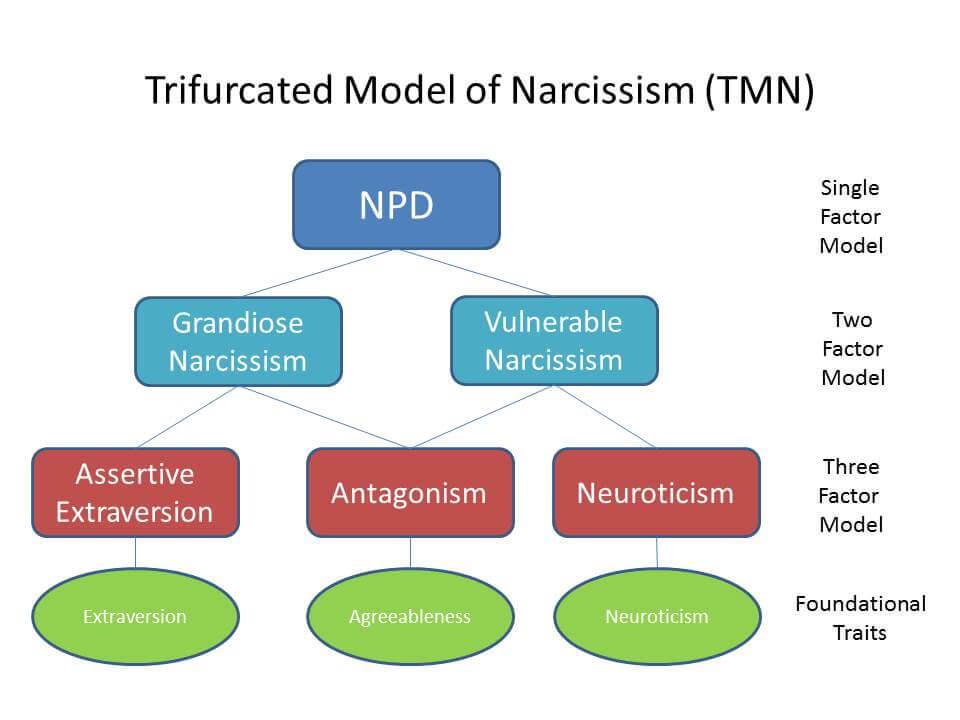
    The psychological spectrum also sheds light on the diversity of narcissistic expressions, from covert forms marked by vulnerability and hypersensitivity to overt displays characterized by arrogance and grandiosity. Key factors that influence where someone might fall on this spectrum include:

    • Early childhood experiences and attachment styles
    • Social and cultural influences that shape self-perception
    • Underlying insecurities hidden beneath surface-level confidence
    • The ability—or inability—to empathize and connect emotionally with others

    By viewing narcissism through this multifaceted lens, clinicians and individuals alike can better comprehend the complexities involved and work towards more targeted interventions that promote healthier self-awareness and relationships.

    Identifying Healthy Confidence Versus Narcissistic Behavior

    At its core, healthy confidence is rooted in self-awareness and humility. Individuals exhibiting genuine self-assurance tend to acknowledge their strengths without dismissing their weaknesses. They often demonstrate empathy, listen actively, and balance pride in their accomplishments with a willingness to learn and grow. This form of confidence is marked by an internal validation system rather than seeking approval from others. Key indicators include:

    • Self-acceptance: Embracing both talents and limitations without defensiveness.
    • Respect for others: Valuing others’ opinions and feelings genuinely.
    • Emotional resilience: Managing criticism constructively and maintaining composure.

    On the other hand, narcissistic behavior often masquerades as confidence but stems from a fragile self-image that demands constant external validation. Unlike healthy confidence, it frequently involves manipulating situations to maintain superiority and disregard for others’ boundaries. People displaying narcissistic traits may exhibit:

    • Excessive need for admiration: Relying heavily on praise to boost self-worth.
    • Lack of empathy: Difficulty or unwillingness to recognize others’ emotions or perspectives.
    • Grandiosity: Inflated sense of importance and entitlement, often masking insecurity.

    Practical Strategies for Managing Narcissism in Relationships

    When navigating relationships where narcissism plays a role, setting clear boundaries is paramount. It’s crucial to define what behavior is acceptable and what isn’t, and to communicate these limits calmly yet firmly. This doesn’t mean engaging in power struggles but rather protecting your emotional space with consistency. Also, actively practicing emotional detachment can prevent the erosion of your self-esteem; recognizing when you are being drawn into manipulation enables you to respond with reason instead of reaction. Tools like journaling or talking to a trusted support system can strengthen your clarity and resilience.

    Another invaluable strategy lies in cultivating empathy — not just for the narcissistic partner, but for yourself. Understanding their behavior through the lens of unmet needs or insecurities can foster compassion, which defuses tension and promotes healthier communication patterns. However, it’s important to remember that empathy isn’t a license to tolerate abuse. Key approaches include:

    • Regularly reassessing the relationship’s impact on your mental and emotional well-being
    • Seeking professional guidance, such as therapy, to gain tools tailored to your unique situation
    • Developing self-care routines to maintain your independence and sense of identity

    These steps empower you to maintain balance and foster a connection that respects both parties’ humanity, even when narcissistic tendencies are present.

    In Summary

    In the end, understanding narcissism as a spectrum rather than a simple yes-or-no diagnosis allows us to approach the topic with greater nuance and empathy. It challenges us to recognize the complex ways narcissistic traits can manifest in everyday behavior—and to differentiate between healthy self-confidence and harmful self-absorption. As ongoing research continues to shed light on this multifaceted personality construct, one thing remains clear: embracing a spectrum perspective can help foster more informed conversations, better mental health support, and a deeper compassion for the diverse experiences behind the label of narcissism.

    Share. Facebook Twitter Pinterest WhatsApp
    Previous ArticleThe Moment I Knew My Marriage Was Narcissistic
    Next Article How Covert Narcissists Quietly Win the Long Game

    Related Posts

    Narcissism

    The Painful Dance: Golden Child vs Scapegoat in Narcissistic Families

    Narcissism

    Healthy Confidence vs. Narcissism: Key Differences Explained

    Narcissism

    How Social Media Fuels Narcissistic Behaviors Today

    Narcissism

    Overt vs. Covert Narcissists: Key Differences Explained

    Leave A Reply Cancel Reply

    Stay In Touch
    • Facebook
    • Twitter
    • Instagram
    • Pinterest

    Subscribe to Updates

    Get The Latest News, Updates, And Amazing Offers

    Top Posts
    NPD

    Is Narcissistic Personality Disorder Inherited? Exploring Genetics

    Red Flags

    Toxic Positivity and Emotional Invalidation in Relationships

    Dating

    Why Self-Love Is Key to Building Healthy Relationships

    NPD

    Therapeutic Approaches for NPD: CBT vs. Psychodynamic Insights

    Dating

    Dating Without Losing Yourself: Finding Balance in Love

    About

    The word “narc” is short for narcissist — someone who often puts themselves first, shows little empathy, and can be controlling or emotionally hurtful. Some people like this may have Narcissistic Personality Disorder (NPD), while others just show strong narcissistic behavior.

    KnowYourNarc.com is here to help you recognize this kind of behavior. Whether you’ve been in a relationship with a narcissist, are trying to understand someone in your life, or want to support someone else, this website gives you clear information, support, and tools to protect yourself and heal.

    Subscribe to Updates

    Get The Latest News, Updates, And Amazing Offers

    Our Picks
    Recovery May 30, 2025

    The Power of Saying No: Reclaim Your Voice Today!

    Covert Narcissism May 22, 2025

    Spotting Covert Narcissism in Romantic Relationships

    Real Stories May 11, 2025

    Unmasking Love: When My Partner Turned Out Covert Narcissist

    KnowYourNarc
    Facebook X (Twitter) Instagram Pinterest
    • Home
    • About Us
    • Contact us
    • Privacy Policy
    • Terms & Conditions
    © 2026 KnowYourNarc.

    Type above and press Enter to search. Press Esc to cancel.