
Close Menu
KnowYourNarc
    What's Hot
    Communication

    Why Narcissists Always Exaggerate or Lie in Talks

    Real Stories

    How Speaking Out About My Narcissistic Abuse Transformed Me

    Dating

    Reclaiming Confidence: Boosting Your Self-Worth Today

    Subscribe to Updates

    Get The Latest News, Updates, And Amazing Offers

    Important Pages:
    • Home
    • About Us
    • Contact us
    • Privacy Policy
    • Terms & Conditions
    Facebook X (Twitter) Instagram Pinterest
    Facebook X (Twitter) Instagram Pinterest
    KnowYourNarc
    • Understanding Narcissism

      The Painful Dance: Golden Child vs Scapegoat in Narcissistic Families

      June 22, 2025

      Healthy Confidence vs. Narcissism: Key Differences Explained

      June 21, 2025

      How Social Media Fuels Narcissistic Behaviors Today

      June 20, 2025

      Overt vs. Covert Narcissists: Key Differences Explained

      June 19, 2025

      Narcissism in Men vs. Women: Exploring Key Differences

      June 18, 2025
    • Covert Narcissism

      Spotting Covert Narcissism at Work: Key Warning Signs

      August 18, 2025

      Breaking Free: True Tales of Escaping Covert Narc Abuse

      August 17, 2025

      The Subtle Allure of the Covert Narcissist Explained

      August 16, 2025

      Surviving Covert Narcissistic Abuse: True Stories of Hope

      July 1, 2025

      How Covert Narcissists Quietly Win Over Time: A Friendly Guide

      June 30, 2025
    • Communication

      Spotting Triangulation in Narcissistic Talk: A Friendly Guide

      July 2, 2025

      What Is Projection and Why Narcissists Rely on It

      July 1, 2025

      The Power of Narcissistic Rage in Verbal Attacks: Explained

      June 30, 2025

      Breaking Down Circular Conversations with Narcissists

      June 29, 2025

      Breaking the Cycle: Understanding Narcissistic Talk Patterns

      June 28, 2025
    • Parents & Family

      Breaking Free: Healing from Narcissistic Parental Control

      August 17, 2025

      Healing the Hidden Wounds of Narcissistic Family Neglect

      August 16, 2025

      Healing from Narcissistic Parents: Navigating Adult Love

      July 23, 2025

      Gaslighting from a Parent: Recognize It and Begin Healing

      July 22, 2025

      10 Signs You Grew Up with a Narcissistic Parent

      July 21, 2025
    • Friendships

      How Narcissistic Friends Isolate You Using Other People

      August 17, 2025

      Love-Bombing in Friendships: When Closeness Moves Too Fast

      July 2, 2025

      When You’re the Therapist, Not the Friend: Setting Boundaries

      July 1, 2025

      When Envy Hides: The Narcissist in Your Friendship

      June 30, 2025

      When You Outgrow a Narcissistic Friend: What to Expect

      June 29, 2025
    • Relationships

      Spotting Narcissistic Boss Manipulation: Protect Your Soul

      August 24, 2025

      How to Document Abuse from a Narcissistic Boss at Work

      August 23, 2025

      When Your Manager’s a Narcissist: Spot Signs + Survive

      August 22, 2025

      Healing Your Soul: Setting Boundaries with a Narcissistic Parent

      August 21, 2025

      How Narcissistic Moms Shape Daughters’ Fragile Self-Esteem

      August 20, 2025
    • Dating

      Rebuilding Self-Trust: Your Guide Before Dating Again

      January 15, 2026

      Why Taking a Break from Dating Can Be a Smart Power Move

      January 14, 2026

      What Safe and Healthy Love Actually Feels Like: A Guide

      January 13, 2026

      How to Express Your Needs Clearly Without Feeling Afraid

      January 12, 2026

      Breaking Free: How to Avoid Toxic Relationship Patterns

      January 11, 2026
    • NPD

      NPD vs. Healthy Self-Esteem: Key Differences Explained

      August 20, 2025

      Setting Boundaries with Someone Who Has Narcissistic Personality Disorder

      August 19, 2025

      Common Comorbid Disorders Associated with NPD Explained

      August 18, 2025

      Understanding Grandiosity’s Role in Narcissistic Personality Disorder

      August 17, 2025

      Understanding Narcissistic Personality Disorder: A Clear Overview

      July 9, 2025
    • Going No Contact

      How to Stay Strong and Resist Breaking No Contact Rules

      June 16, 2025

      Navigating Mutual Friends After Going No Contact: A Guide

      June 14, 2025

      Creating Self-Care Routines to Maintain Emotional Distance

      June 13, 2025

      Gray Rocking: How to Set Boundaries Without Full No Contact

      June 12, 2025

      Why Going No Contact with Narcissists Is a Game-Changer

      June 11, 2025
    • Red Flags

      How to Recognize If You’re Being Love Bombed: A Guide

      August 20, 2025

      How Toxic People Weaponize Guilt to Manipulate You

      August 19, 2025

      Spotting Control Disguised as Concern: A Clear Warning

      August 18, 2025

      Understanding Triangulation: Toxic Dynamics Explained Clearly

      August 17, 2025

      10 Clear Signs You’re Being Emotionally Manipulated Today

      June 19, 2025
    • Recovery

      Creating a Safe Space for Healing and Emotional Growth at Home

      August 20, 2025

      Healing Forward: Recognize Your Emotional Needs After Narcissism

      August 19, 2025

      Empower Yourself: Thrive with Self-Care and Mindful Choices

      August 18, 2025

      Boost Your Self-Worth: Powerful Affirmations to Rebuild You

      August 17, 2025

      How Group Support Boosts Speedy Emotional Healing

      June 17, 2025
    • Real Stories

      Breaking Free: A Survivor’s Journey from Trauma Bond to Hope

      August 22, 2025

      Unmasking Love: My Journey with a Covert Narcissist

      August 21, 2025

      How I Broke Free from a Narcissistic Relationship Journey

      August 20, 2025

      Healing After Years: My Journey Beyond a Covert Narcissist

      August 19, 2025

      Healing from Narcissistic Parents: My Personal Journey

      August 18, 2025
    KnowYourNarc
    You are at:Home » How Narcissists Use Charm and Flattery to Hide Truths
    Communication

    How Narcissists Use Charm and Flattery to Hide Truths

    May 26, 2025
    Share Facebook Twitter Pinterest WhatsApp
    How Narcissists Use Charm and Flattery to Hide Truths
    Share
    Facebook Twitter Pinterest WhatsApp

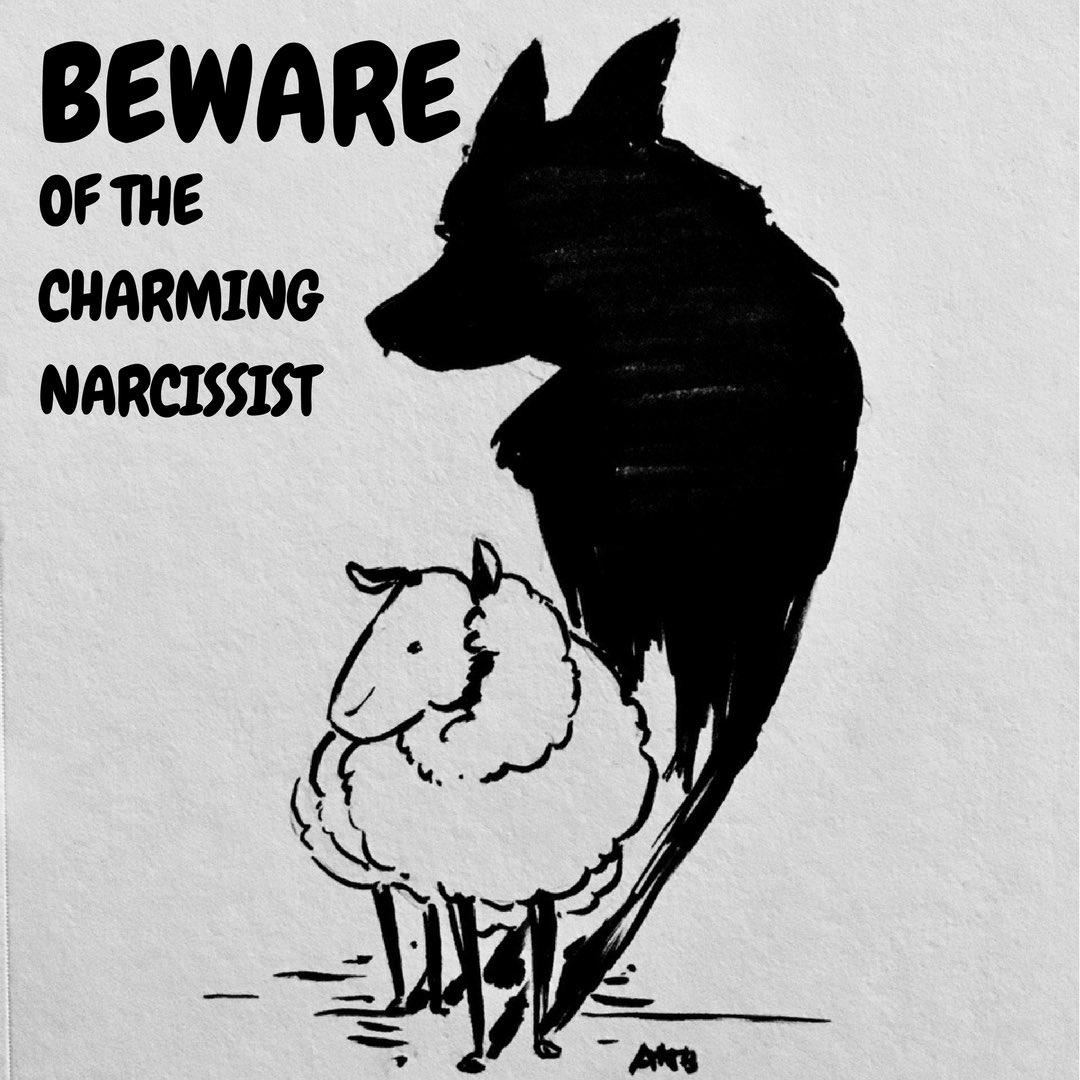
    Ever met someone who seemed effortlessly charming, showering you with compliments and making you feel like the most important person in the room? While a little flattery is a nice boost, sometimes this charm can be a clever mask—especially when dealing with narcissists. These individuals are masters at using charm and flattery not just to win people over, but to distract from or hide uncomfortable truths. In this post, we’ll dive into how narcissists wield their smooth talk and magnetic personalities to keep their real intentions under wraps, helping you spot the signs before you get caught in the web.

    Table of Contents

    • Understanding the Role of Charm in Narcissistic Manipulation
    • How Flattery Creates a False Sense of Trust and Security
    • Spotting the Signs Behind the Compliments and Sweet Talk
    • Practical Tips to Protect Yourself from Narcissistic Deception
    • In Summary

    Understanding the Role of Charm in Narcissistic Manipulation

    Narcissists often deploy a disarming mix of charm and flattery to mask their true intentions. This enchanting allure quickly pulls people in, lowering their defenses and creating a false sense of trust. It’s an expertly crafted performance where compliments and magnetic charisma become tools of manipulation rather than genuine affection. By projecting confidence and likability, they can weave narratives that distract from their flaws or hidden agendas, making it difficult to see beyond the surface.

    Their charm isn’t random; it’s calculated and purposeful. Narcissists understand that to control or deceive, they need to first make others feel valued and admired. Some common tactics include:

    • Over-the-top compliments that seem too good to be true.
    • Mirroring your interests and values to create instant rapport.
    • Exaggerating their achievements to impress and dominate conversations.
    • Playing the victim or hero to gain sympathy and admiration.

    Recognizing these behaviors helps you see past the charm curtain, revealing the real motives lurking underneath.

    How Flattery Creates a False Sense of Trust and Security

    Flattery acts as a deceptive veneer that masks the true intentions behind a narcissist’s charm. When someone showers you with compliments and excessive praise, it can feel incredibly validating, but this is often a calculated move to lower your defenses. This sudden boost of confidence makes it easier for them to gain your trust quickly—something that typically takes much more time and effort to develop in healthy relationships. The allure of feeling special or admired can make you overlook red flags and ignore inconsistencies in their stories or behavior.

    Recognizing the tactics behind flattery can help you stay grounded:

    • They often use compliments that feel generic or exaggerated, aimed more at manipulation than genuine appreciation.
    • Flattery tends to come at moments when they want something, whether it’s your time, attention, or emotional investment.
    • This charm offensive can create a false sense of security, making you less likely to question or challenge them.

    Ultimately, understanding that flattery can be a tool for control rather than kindness empowers you to protect yourself emotionally and maintain clear boundaries.

    Spotting the Signs Behind the Compliments and Sweet Talk

    When a narcissist showers you with compliments, it’s rarely just about making you feel good. Instead, these remarks often serve as strategic tools designed to gain your trust and lower your defenses. Pay close attention to the timing and intensity of their flattery — it can come on too strong or feel strangely out of sync with the situation. They might say things like “You’re the most amazing person I’ve ever met” or “No one understands me like you do,” but beneath these surface-level praises often lies a motive to manipulate or mask their true intentions. Recognizing that charm and sweet talk can be calculated helps you stay grounded and cautious.

    Another key red flag is the inconsistency between their words and actions. Narcissists are masters at creating an illusion, but repeated mismatches between what they say and do can be telling. Here are a few subtle signs to watch out for:

    • The compliments feel generic or overly rehearsed.
    • Flattery is used primarily when they want something.
    • They quickly shift from praise to criticism.
    • Sweet talk is followed by subtle attempts to control.

    Understanding this pattern allows you to peel back the layers and see beyond the temporary glow of charm — a crucial step in protecting your emotional well-being.

    Practical Tips to Protect Yourself from Narcissistic Deception

    When dealing with individuals who use charm as a weapon, it’s crucial to stay grounded in your own perceptions and feelings. Trust your intuition—if something feels off, it probably is. Don’t rush into decisions based on flattering compliments or grand promises; narcissists are experts at creating a dazzling facade to distract from reality. Keep a mental checklist of actions versus words, and don’t hesitate to pause interactions to gather your thoughts before responding. This can help you maintain clarity and reduce vulnerability to their manipulative tactics.

    Building strong boundaries is another powerful shield. Surround yourself with people who reinforce your sense of reality and self-worth, and lean on their perspectives when you’re uncertain. Practice saying “no” without guilt and recognize that your needs are just as important as anyone else’s. Remember these key strategies:

    • Limit personal information: Share selectively to avoid giving ammunition for manipulation.
    • Seek evidence: Verify facts independently rather than relying solely on their version of the truth.
    • Document interactions: Keeping notes can help identify patterns or discrepancies in their stories.
    • Prioritize self-care: Maintain emotional and physical health to stay resilient against gaslighting or emotional exhaustion.

    In Summary

    Wrapping things up, it’s important to remember that charm and flattery can sometimes be a double-edged sword—especially when used by narcissists to mask their true intentions. Recognizing these tactics helps us stay grounded and protect our emotional well-being. So next time you encounter someone who seems a little too good to be true, trust your instincts and look beyond the glitter. After all, genuine connections are built on honesty, not just smooth talk. Thanks for reading, and stay savvy out there!

    Share. Facebook Twitter Pinterest WhatsApp
    Previous ArticleUnmasking Covert Narcissism in Romantic Relationships
    Next Article How Narcissistic Parents Affect Our Mental Health

    Related Posts

    Communication

    Spotting Triangulation in Narcissistic Talk: A Friendly Guide

    Communication

    What Is Projection and Why Narcissists Rely on It

    Communication

    The Power of Narcissistic Rage in Verbal Attacks: Explained

    Communication

    Breaking Down Circular Conversations with Narcissists

    Leave A Reply Cancel Reply

    Stay In Touch
    • Facebook
    • Twitter
    • Instagram
    • Pinterest

    Subscribe to Updates

    Get The Latest News, Updates, And Amazing Offers

    Top Posts
    Dating

    Breaking Free: How to Avoid Toxic Relationship Patterns

    Parents & Family

    Healing Hearts: Coping Tips for Kids of Narcissistic Parents

    Red Flags

    When Someone Can’t Handle Boundaries: What It Really Means

    Covert Narcissism

    The Confusing Charm of the Covert Narcissist Explained

    Relationships

    Breaking Free: Healing After Breaking Up with a Narcissist

    About

    The word “narc” is short for narcissist — someone who often puts themselves first, shows little empathy, and can be controlling or emotionally hurtful. Some people like this may have Narcissistic Personality Disorder (NPD), while others just show strong narcissistic behavior.

    KnowYourNarc.com is here to help you recognize this kind of behavior. Whether you’ve been in a relationship with a narcissist, are trying to understand someone in your life, or want to support someone else, this website gives you clear information, support, and tools to protect yourself and heal.

    Subscribe to Updates

    Get The Latest News, Updates, And Amazing Offers

    Our Picks
    Parents & Family July 4, 2025

    Healing Hearts: Coping with Narcissistic Parents as Kids

    Relationships August 22, 2025

    When Your Manager’s a Narcissist: Spot Signs + Survive

    Parents & Family July 7, 2025

    Seeking Recognition: Navigating Life with Narcissistic Parents

    KnowYourNarc
    Facebook X (Twitter) Instagram Pinterest
    • Home
    • About Us
    • Contact us
    • Privacy Policy
    • Terms & Conditions
    © 2026 KnowYourNarc.

    Type above and press Enter to search. Press Esc to cancel.