
Close Menu
KnowYourNarc
    What's Hot
    Friendships

    When Friendship Feels One-Sided: What to Do Next

    Red Flags

    What Is Love Bombing and Why It’s So Dangerous to Know

    Dating

    Why Taking a Break from Dating Is Actually a Power Move

    Subscribe to Updates

    Get The Latest News, Updates, And Amazing Offers

    Important Pages:
    • Home
    • About Us
    • Contact us
    • Privacy Policy
    • Terms & Conditions
    Facebook X (Twitter) Instagram Pinterest
    Facebook X (Twitter) Instagram Pinterest
    KnowYourNarc
    • Understanding Narcissism

      The Painful Dance: Golden Child vs Scapegoat in Narcissistic Families

      June 22, 2025

      Healthy Confidence vs. Narcissism: Key Differences Explained

      June 21, 2025

      How Social Media Fuels Narcissistic Behaviors Today

      June 20, 2025

      Overt vs. Covert Narcissists: Key Differences Explained

      June 19, 2025

      Narcissism in Men vs. Women: Exploring Key Differences

      June 18, 2025
    • Covert Narcissism

      Spotting Covert Narcissism at Work: Key Warning Signs

      August 18, 2025

      Breaking Free: True Tales of Escaping Covert Narc Abuse

      August 17, 2025

      The Subtle Allure of the Covert Narcissist Explained

      August 16, 2025

      Surviving Covert Narcissistic Abuse: True Stories of Hope

      July 1, 2025

      How Covert Narcissists Quietly Win Over Time: A Friendly Guide

      June 30, 2025
    • Communication

      Spotting Triangulation in Narcissistic Talk: A Friendly Guide

      July 2, 2025

      What Is Projection and Why Narcissists Rely on It

      July 1, 2025

      The Power of Narcissistic Rage in Verbal Attacks: Explained

      June 30, 2025

      Breaking Down Circular Conversations with Narcissists

      June 29, 2025

      Breaking the Cycle: Understanding Narcissistic Talk Patterns

      June 28, 2025
    • Parents & Family

      Breaking Free: Healing from Narcissistic Parental Control

      August 17, 2025

      Healing the Hidden Wounds of Narcissistic Family Neglect

      August 16, 2025

      Healing from Narcissistic Parents: Navigating Adult Love

      July 23, 2025

      Gaslighting from a Parent: Recognize It and Begin Healing

      July 22, 2025

      10 Signs You Grew Up with a Narcissistic Parent

      July 21, 2025
    • Friendships

      How Narcissistic Friends Isolate You Using Other People

      August 17, 2025

      Love-Bombing in Friendships: When Closeness Moves Too Fast

      July 2, 2025

      When You’re the Therapist, Not the Friend: Setting Boundaries

      July 1, 2025

      When Envy Hides: The Narcissist in Your Friendship

      June 30, 2025

      When You Outgrow a Narcissistic Friend: What to Expect

      June 29, 2025
    • Relationships

      Spotting Narcissistic Boss Manipulation: Protect Your Soul

      August 24, 2025

      How to Document Abuse from a Narcissistic Boss at Work

      August 23, 2025

      When Your Manager’s a Narcissist: Spot Signs + Survive

      August 22, 2025

      Healing Your Soul: Setting Boundaries with a Narcissistic Parent

      August 21, 2025

      How Narcissistic Moms Shape Daughters’ Fragile Self-Esteem

      August 20, 2025
    • Dating

      Green Flags to Spot in a Potential Partner: What to Watch For

      August 27, 2025

      How to Identify Early Red Flags in New Relationships

      August 26, 2025

      Navigating Dating While Healing from Narcissistic Abuse

      August 25, 2025

      Setting Healthy Boundaries with New Partners: A Guide

      August 24, 2025

      How to Avoid Idealizing Someone New Too Quickly: Tips

      August 23, 2025
    • NPD

      NPD vs. Healthy Self-Esteem: Key Differences Explained

      August 20, 2025

      Setting Boundaries with Someone Who Has Narcissistic Personality Disorder

      August 19, 2025

      Common Comorbid Disorders Associated with NPD Explained

      August 18, 2025

      Understanding Grandiosity’s Role in Narcissistic Personality Disorder

      August 17, 2025

      Understanding Narcissistic Personality Disorder: A Clear Overview

      July 9, 2025
    • Going No Contact

      How to Stay Strong and Resist Breaking No Contact Rules

      June 16, 2025

      Navigating Mutual Friends After Going No Contact: A Guide

      June 14, 2025

      Creating Self-Care Routines to Maintain Emotional Distance

      June 13, 2025

      Gray Rocking: How to Set Boundaries Without Full No Contact

      June 12, 2025

      Why Going No Contact with Narcissists Is a Game-Changer

      June 11, 2025
    • Red Flags

      How to Recognize If You’re Being Love Bombed: A Guide

      August 20, 2025

      How Toxic People Weaponize Guilt to Manipulate You

      August 19, 2025

      Spotting Control Disguised as Concern: A Clear Warning

      August 18, 2025

      Understanding Triangulation: Toxic Dynamics Explained Clearly

      August 17, 2025

      10 Clear Signs You’re Being Emotionally Manipulated Today

      June 19, 2025
    • Recovery

      Creating a Safe Space for Healing and Emotional Growth at Home

      August 20, 2025

      Healing Forward: Recognize Your Emotional Needs After Narcissism

      August 19, 2025

      Empower Yourself: Thrive with Self-Care and Mindful Choices

      August 18, 2025

      Boost Your Self-Worth: Powerful Affirmations to Rebuild You

      August 17, 2025

      How Group Support Boosts Speedy Emotional Healing

      June 17, 2025
    • Real Stories

      Breaking Free: A Survivor’s Journey from Trauma Bond to Hope

      August 22, 2025

      Unmasking Love: My Journey with a Covert Narcissist

      August 21, 2025

      How I Broke Free from a Narcissistic Relationship Journey

      August 20, 2025

      Healing After Years: My Journey Beyond a Covert Narcissist

      August 19, 2025

      Healing from Narcissistic Parents: My Personal Journey

      August 18, 2025
    KnowYourNarc
    You are at:Home » How to Recognize Emotionally Available Partners Easily
    Dating

    How to Recognize Emotionally Available Partners Easily

    June 2, 2025
    Share Facebook Twitter Pinterest WhatsApp
    How to Recognize Emotionally Available Partners Easily
    Share
    Facebook Twitter Pinterest WhatsApp

    When it comes to building meaningful relationships, emotional availability is often a key factor that can make or break the connection. Recognizing whether someone is emotionally available can save you time, heartache, and confusion down the line. But how exactly can you tell if a potential partner is truly open to sharing their feelings and supporting yours? In this article, we’ll explore simple signs and practical tips to help you identify emotionally available partners with confidence, so you can cultivate healthier and more fulfilling relationships.

    Table of Contents

    • Understanding Emotional Availability and Its Importance
    • Identifying Clear Communication and Consistent Behavior
    • Recognizing Empathy and Emotional Responsiveness
    • Evaluating Boundaries and Respect for Personal Space
    • Final Thoughts

    Understanding Emotional Availability and Its Importance

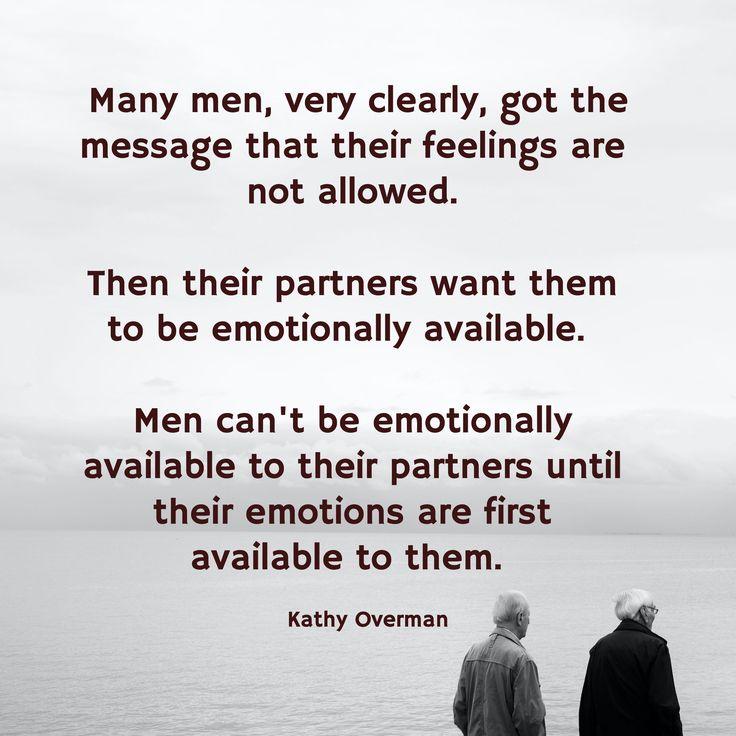
    Emotional availability is the foundation of a deep and meaningful connection between partners. It goes beyond just being present physically—it’s about being open, vulnerable, and genuinely responsive to each other’s emotional needs. When someone is emotionally available, they are capable of forming secure attachments, communicating their feelings effectively, and providing consistent emotional support. Recognizing this quality in a partner can transform your relationship, fostering trust, intimacy, and a stronger bond that stands the test of time.

    Key signs to look for in emotionally available individuals include:

    • Authentic communication: They express their thoughts and feelings honestly without fear of judgment.
    • Empathy and understanding: They genuinely listen and validate your emotions, creating a safe space for sharing.
    • Consistency in behavior: Their actions align with their words, showing reliability and trustworthiness.
    • Openness to vulnerability: They are willing to share their fears, hopes, and dreams, allowing emotional intimacy to flourish.

    Identifying these traits early on can help you navigate relationships more mindfully and invest your energy in connections that nurture your emotional well-being.

    Identifying Clear Communication and Consistent Behavior

    Emotionally available partners express themselves clearly and honestly, making it easier to understand their true feelings and intentions. They don’t shy away from having meaningful conversations and are willing to share their thoughts openly. When someone consistently communicates with kindness, listens actively, and responds thoughtfully, it sets a foundation of trust and security in the relationship. Look for signs of transparency, where their words and actions align without hidden agendas or mixed signals.

    Consistency is a key indicator that emotional availability isn’t just a fleeting moment but a sustained effort. Such partners show up in predictable ways, honoring their commitments and demonstrating reliability. You might notice behaviors like:

    • Following through on promises without being prompted
    • Expressing empathy even during difficult conversations
    • Maintaining steady emotional support, regardless of circumstances

    These patterns highlight a genuine willingness to connect and maintain emotional intimacy, making it easier to build a secure, nurturing relationship.

    Recognizing Empathy and Emotional Responsiveness

    One of the most revealing traits of a truly available partner is their ability to empathize deeply. They don’t just hear your words but tune into the emotions beneath them, offering a sense of being understood that transcends surface-level conversation. These individuals often mirror your feelings back to you in a way that shows genuine care, making you feel safe to share even your most vulnerable moments. Their emotional responsiveness means they are not quick to dismiss your concerns or invalidate your experiences; instead, they provide validation and comfort, creating a solid foundation for trust.

    Signs that someone meets this emotional standard include:

    • Listening actively without interrupting or rushing to offer solutions.
    • Expressing concern through both words and body language, such as maintaining eye contact and nodding thoughtfully.
    • Following up on previous conversations, showing they remember and care about your feelings over time.
    • Being open about their own emotions, which signals a willingness to engage on a deeper level.

    By recognizing these behaviors, you can better identify partners who are not just present physically but are emotionally accessible, willing to share and support you in a meaningful way.

    Evaluating Boundaries and Respect for Personal Space

    Recognizing someone who understands and respects personal boundaries is a cornerstone of emotional availability. These partners intuitively grasp when to step back and when to engage, demonstrating a genuine concern for your comfort and autonomy. Rather than pushing limits or imposing their presence, they seek clear communication about your needs and respond with patience and empathy. This respect is not limited to physical space but extends to emotional and mental boundaries, ensuring that your feelings are always honored without judgment.

    Signs of a healthy approach to boundaries often include:

    • Consistent checking in: They ask if you’re comfortable with the pace and closeness of the relationship.
    • Responsive listening: When you express discomfort or need for space, they adjust their behavior accordingly.
    • Transparency: They openly share their own boundaries, creating a balanced exchange of respect.
    • Non-intrusive behavior: They avoid pressuring or guilt-tripping you into exceeding your comfort zones.

    Final Thoughts

    Recognizing emotionally available partners is an essential step toward building healthy and fulfilling relationships. By paying attention to key signs—such as open communication, consistency, and genuine empathy—you can better identify those who are ready and willing to connect on a deeper level. Remember, emotional availability is not just about what someone says, but how they show up for you over time. With awareness and patience, you’ll find it easier to navigate the dating world and foster connections that truly matter. Stay mindful, trust your instincts, and don’t settle for less than the emotional partnership you deserve.

    Share. Facebook Twitter Pinterest WhatsApp
    Previous ArticleWhen Friendship Feels One-Sided: What to Do Next
    Next Article Therapeutic Approaches for NPD: CBT vs. Psychodynamic Explained

    Related Posts

    Dating

    Green Flags to Spot in a Potential Partner: What to Watch For

    Dating

    How to Identify Early Red Flags in New Relationships

    Dating

    Navigating Dating While Healing from Narcissistic Abuse

    Dating

    Setting Healthy Boundaries with New Partners: A Guide

    Leave A Reply Cancel Reply

    Stay In Touch
    • Facebook
    • Twitter
    • Instagram
    • Pinterest

    Subscribe to Updates

    Get The Latest News, Updates, And Amazing Offers

    Top Posts
    Real Stories

    From Idealization to Devaluation: My Personal Journey

    Communication

    Why Do Every Conversation Feel Like a Trap? Here’s Why

    Recovery

    How Group Support Boosts Speedy Emotional Healing

    Relationships

    How Narcissistic Moms Shape Daughters’ Fragile Self-Esteem

    Covert Narcissism

    Parenting a Covert Narcissist: Key Tips You Should Know

    About

    The word “narc” is short for narcissist — someone who often puts themselves first, shows little empathy, and can be controlling or emotionally hurtful. Some people like this may have Narcissistic Personality Disorder (NPD), while others just show strong narcissistic behavior.

    KnowYourNarc.com is here to help you recognize this kind of behavior. Whether you’ve been in a relationship with a narcissist, are trying to understand someone in your life, or want to support someone else, this website gives you clear information, support, and tools to protect yourself and heal.

    Subscribe to Updates

    Get The Latest News, Updates, And Amazing Offers

    Our Picks
    Real Stories May 21, 2025

    From Idealization to Devaluation: My Personal Journey

    Friendships June 26, 2025

    The Push-Pull of Toxic Friendships: What to Know and Do

    Communication June 2, 2025

    What Is Projection and How Narcissists Use It Explained

    KnowYourNarc
    Facebook X (Twitter) Instagram Pinterest
    • Home
    • About Us
    • Contact us
    • Privacy Policy
    • Terms & Conditions
    © 2025 KnowYourNarc.

    Type above and press Enter to search. Press Esc to cancel.