
Close Menu
KnowYourNarc
    What's Hot
    Red Flags

    How to Recognize If You’re Being Love Bombed: A Guide

    Communication

    The Force Behind Narcissistic Rage in Verbal Blows

    Relationships

    When Your Manager Is a Narcissist: Spotting Signs & Surviving

    Subscribe to Updates

    Get The Latest News, Updates, And Amazing Offers

    Important Pages:
    • Home
    • About Us
    • Contact us
    • Privacy Policy
    • Terms & Conditions
    Facebook X (Twitter) Instagram Pinterest
    Facebook X (Twitter) Instagram Pinterest
    KnowYourNarc
    • Understanding Narcissism

      The Painful Dance: Golden Child vs Scapegoat in Narcissistic Families

      June 22, 2025

      Healthy Confidence vs. Narcissism: Key Differences Explained

      June 21, 2025

      How Social Media Fuels Narcissistic Behaviors Today

      June 20, 2025

      Overt vs. Covert Narcissists: Key Differences Explained

      June 19, 2025

      Narcissism in Men vs. Women: Exploring Key Differences

      June 18, 2025
    • Covert Narcissism

      Spotting Covert Narcissism at Work: Key Warning Signs

      August 18, 2025

      Breaking Free: True Tales of Escaping Covert Narc Abuse

      August 17, 2025

      The Subtle Allure of the Covert Narcissist Explained

      August 16, 2025

      Surviving Covert Narcissistic Abuse: True Stories of Hope

      July 1, 2025

      How Covert Narcissists Quietly Win Over Time: A Friendly Guide

      June 30, 2025
    • Communication

      Spotting Triangulation in Narcissistic Talk: A Friendly Guide

      July 2, 2025

      What Is Projection and Why Narcissists Rely on It

      July 1, 2025

      The Power of Narcissistic Rage in Verbal Attacks: Explained

      June 30, 2025

      Breaking Down Circular Conversations with Narcissists

      June 29, 2025

      Breaking the Cycle: Understanding Narcissistic Talk Patterns

      June 28, 2025
    • Parents & Family

      Breaking Free: Healing from Narcissistic Parental Control

      August 17, 2025

      Healing the Hidden Wounds of Narcissistic Family Neglect

      August 16, 2025

      Healing from Narcissistic Parents: Navigating Adult Love

      July 23, 2025

      Gaslighting from a Parent: Recognize It and Begin Healing

      July 22, 2025

      10 Signs You Grew Up with a Narcissistic Parent

      July 21, 2025
    • Friendships

      How Narcissistic Friends Isolate You Using Other People

      August 17, 2025

      Love-Bombing in Friendships: When Closeness Moves Too Fast

      July 2, 2025

      When You’re the Therapist, Not the Friend: Setting Boundaries

      July 1, 2025

      When Envy Hides: The Narcissist in Your Friendship

      June 30, 2025

      When You Outgrow a Narcissistic Friend: What to Expect

      June 29, 2025
    • Relationships

      Spotting Narcissistic Boss Manipulation: Protect Your Soul

      August 24, 2025

      How to Document Abuse from a Narcissistic Boss at Work

      August 23, 2025

      When Your Manager’s a Narcissist: Spot Signs + Survive

      August 22, 2025

      Healing Your Soul: Setting Boundaries with a Narcissistic Parent

      August 21, 2025

      How Narcissistic Moms Shape Daughters’ Fragile Self-Esteem

      August 20, 2025
    • Dating

      Rebuilding Self-Trust: Your Guide Before Dating Again

      January 15, 2026

      Why Taking a Break from Dating Can Be a Smart Power Move

      January 14, 2026

      What Safe and Healthy Love Actually Feels Like: A Guide

      January 13, 2026

      How to Express Your Needs Clearly Without Feeling Afraid

      January 12, 2026

      Breaking Free: How to Avoid Toxic Relationship Patterns

      January 11, 2026
    • NPD

      NPD vs. Healthy Self-Esteem: Key Differences Explained

      August 20, 2025

      Setting Boundaries with Someone Who Has Narcissistic Personality Disorder

      August 19, 2025

      Common Comorbid Disorders Associated with NPD Explained

      August 18, 2025

      Understanding Grandiosity’s Role in Narcissistic Personality Disorder

      August 17, 2025

      Understanding Narcissistic Personality Disorder: A Clear Overview

      July 9, 2025
    • Going No Contact

      How to Stay Strong and Resist Breaking No Contact Rules

      June 16, 2025

      Navigating Mutual Friends After Going No Contact: A Guide

      June 14, 2025

      Creating Self-Care Routines to Maintain Emotional Distance

      June 13, 2025

      Gray Rocking: How to Set Boundaries Without Full No Contact

      June 12, 2025

      Why Going No Contact with Narcissists Is a Game-Changer

      June 11, 2025
    • Red Flags

      How to Recognize If You’re Being Love Bombed: A Guide

      August 20, 2025

      How Toxic People Weaponize Guilt to Manipulate You

      August 19, 2025

      Spotting Control Disguised as Concern: A Clear Warning

      August 18, 2025

      Understanding Triangulation: Toxic Dynamics Explained Clearly

      August 17, 2025

      10 Clear Signs You’re Being Emotionally Manipulated Today

      June 19, 2025
    • Recovery

      Creating a Safe Space for Healing and Emotional Growth at Home

      August 20, 2025

      Healing Forward: Recognize Your Emotional Needs After Narcissism

      August 19, 2025

      Empower Yourself: Thrive with Self-Care and Mindful Choices

      August 18, 2025

      Boost Your Self-Worth: Powerful Affirmations to Rebuild You

      August 17, 2025

      How Group Support Boosts Speedy Emotional Healing

      June 17, 2025
    • Real Stories

      Breaking Free: A Survivor’s Journey from Trauma Bond to Hope

      August 22, 2025

      Unmasking Love: My Journey with a Covert Narcissist

      August 21, 2025

      How I Broke Free from a Narcissistic Relationship Journey

      August 20, 2025

      Healing After Years: My Journey Beyond a Covert Narcissist

      August 19, 2025

      Healing from Narcissistic Parents: My Personal Journey

      August 18, 2025
    KnowYourNarc
    You are at:Home » How to Spot Narcissistic Behavior in Daily Life: A Guide
    Narcissism

    How to Spot Narcissistic Behavior in Daily Life: A Guide

    May 28, 2025
    Share Facebook Twitter Pinterest WhatsApp
    How to Spot Narcissistic Behavior in Daily Life: A Guide
    Share
    Facebook Twitter Pinterest WhatsApp

    In our everyday interactions, it’s not always easy to recognize when someone’s behavior crosses the line from confidence to narcissism. Narcissistic tendencies can be subtle, hiding beneath charm or assertiveness, making it challenging to identify and even harder to address. Understanding how to spot narcissistic behavior is crucial—not just for protecting your own mental and emotional well-being but also for fostering healthier relationships. This guide will help you recognize the warning signs of narcissism in daily life, empowering you to navigate these interactions with clarity and confidence. Whether it’s at work, in social settings, or within your personal circle, knowing what to look for is the first step in maintaining your boundaries and emotional health.

    Table of Contents

    • Recognizing the Subtle Signs of Narcissistic Behavior in Everyday Interactions
    • Understanding the Emotional Impact of Narcissism on Relationships
    • Practical Strategies for Setting Boundaries with Narcissistic Individuals
    • How to Maintain Your Mental Health While Dealing with Narcissistic Traits
    • Wrapping Up

    Recognizing the Subtle Signs of Narcissistic Behavior in Everyday Interactions

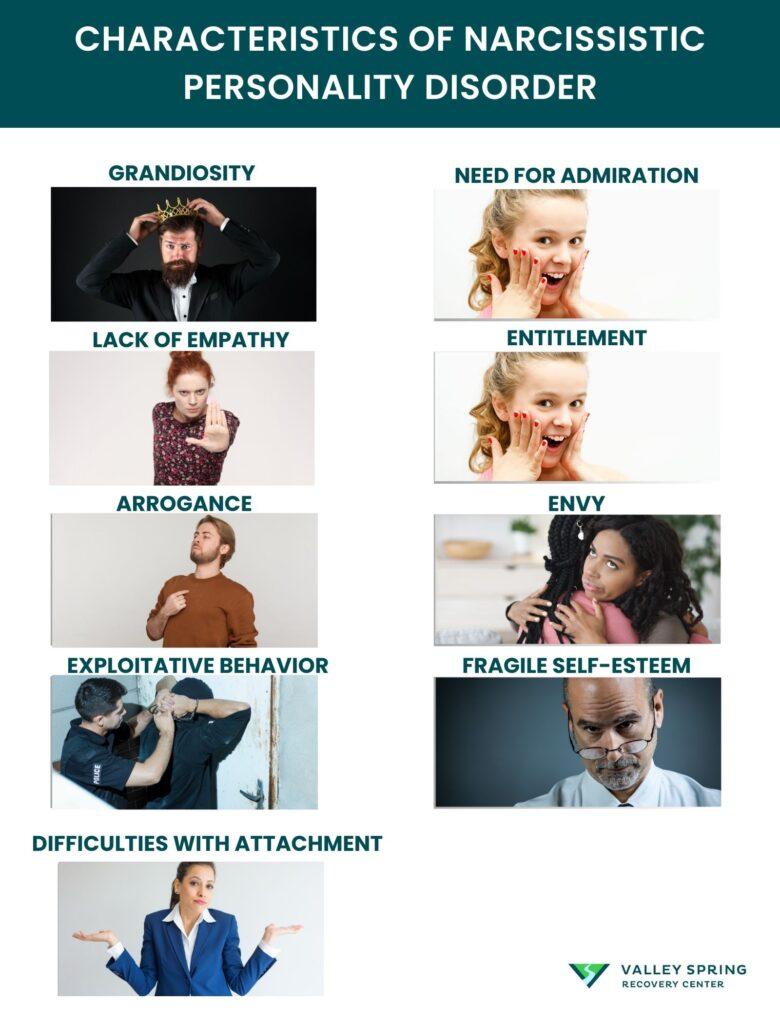
    Identifying narcissistic tendencies often requires a keen eye for the less obvious behaviors that many overlook in everyday exchanges. Unlike overt arrogance or blatant self-centeredness, these subtle signals often manifest through a consistent pattern of interaction where the individual prioritizes their own needs, desires, or image above others’. Watch for instances where conversations frequently circle back to their achievements or experiences, with little genuine interest shown in others’ perspectives. Additionally, a narcissistic individual may display an uncanny ability to redirect compliments towards themselves, making the interaction less about mutual exchange and more about self-promotion.

    Other telltale signs include:

    • Persistent boundary-pushing, where subtle disrespect of time, personal space, or opinions occurs under the guise of charm or humor.
    • Over-sensitivity to criticism, often reacting with defensiveness or subtle undermining of the critic’s credibility.
    • Minimal empathy, demonstrated by a lack of genuine concern, especially when others face challenges or emotions that do not benefit their narrative.
    • Frequent need for validation, seen through an ongoing quest for admiration, often leading to exaggerated stories or accomplishments.

    When these behaviors surface repeatedly, they form a pattern that is critical to recognize—not just for understanding the other person but for protecting your own emotional well-being during these interactions.

    Understanding the Emotional Impact of Narcissism on Relationships

    Living with or loving someone who exhibits narcissistic traits can leave deep emotional scars. The insidious nature of narcissism often leads to a relentless cycle of idealization and devaluation that wears down a person’s self-esteem and sense of worth. Victims frequently experience confusion and self-doubt as their reality is invalidated, leaving them vulnerable to anxiety, depression, and a pervasive feeling of isolation. The emotional toll is not always immediately obvious, but over time, the subtle erosion of trust and empathy creates an atmosphere of emotional exhaustion that is difficult to escape.

    Recognizing the emotional consequences can be the first step toward healing. People affected by narcissistic behavior often report:

    • Chronic feelings of emptiness or inadequacy
    • A tendency to second-guess their own perceptions or memories
    • A heightened sense of hypervigilance to avoid conflict or criticism
    • Difficulty setting healthy boundaries due to guilt or fear

    Understanding these effects allows those in such relationships to better identify when their emotional well-being is compromised and seek the support they need to reclaim their peace of mind.

    Practical Strategies for Setting Boundaries with Narcissistic Individuals

    Establishing clear limits with narcissistic individuals is essential for maintaining your emotional well-being. Start by defining your non-negotiables—these are the behaviors and interactions you will not tolerate. Communicate these boundaries firmly and without apology, focusing on “I” statements to keep the conversation centered on your needs rather than their actions. For example, say, “I am not comfortable with disrespectful language, and I will step away if it continues.” This sets a clear expectation while avoiding unnecessary confrontation. Consistency is key; repeatedly allowing exceptions weakens your position and feeds the narcissist’s tendency to push limits.

    It’s also crucial to protect your energy by limiting exposure when necessary. Use techniques such as:

    • Time restrictions: Set specific timeframes for interactions to avoid emotional exhaustion.
    • Selective engagement: Choose when and where to engage, avoiding vulnerable or private settings.
    • Controlled communication: Whenever possible, rely on text or email to create a buffer and reduce impulsive confrontations.

    Remember that boundaries serve as a shield rather than a weapon—your goal is to safeguard your mental health, not to control or change the narcissistic individual. Stay vigilant and patient; reinforcing boundaries is an ongoing process that requires courage and self-respect.

    How to Maintain Your Mental Health While Dealing with Narcissistic Traits

    Maintaining your mental well-being when navigating interactions with narcissistic traits can feel overwhelming, but prioritizing your emotional health is essential. Establish clear boundaries to protect your energy—this means decisively limiting conversations or encounters that leave you feeling drained or manipulated. Self-care routines such as mindfulness meditation, journaling, and regular physical activity can serve as stabilizing forces, helping you regain equilibrium amidst emotional turbulence. Remember, it’s okay to step back and take breaks without feeling guilty, as your mental health should always come first.

    Additionally, seeking external support can make all the difference. Consider confiding in trusted friends, joining support groups, or consulting a mental health professional who understands the complexities of narcissistic behavior. Surround yourself with affirming voices and positive reinforcement to counterbalance the often demeaning narratives that come with such relationships. Keeping your focus on nurturing your own identity rather than being consumed by the narcissist’s need for validation will empower you to reclaim control and build resilience.

    • Set firm emotional boundaries.
    • Practice consistent self-care.
    • Seek support from empathetic sources.
    • Focus on personal growth and identity.

    Wrapping Up

    Recognizing narcissistic behavior in daily life is never easy, but developing this awareness is essential for protecting your emotional well-being and maintaining healthier relationships. By understanding the common signs and patterns, you can better navigate interactions and set boundaries when needed. Remember, awareness is the first step toward empowerment—equipping yourself to respond thoughtfully rather than react impulsively. Stay mindful, trust your instincts, and don’t hesitate to seek support if you find yourself caught in a cycle of narcissistic dynamics. Your mental health matters, and with knowledge comes the strength to foster healthier connections.

    Share. Facebook Twitter Pinterest WhatsApp
    Previous ArticleHealing the Hidden Scars: Life After a Covert Narcissist
    Next Article Why Covert Narcissists Excel at Gaslighting—and Why It Matters

    Related Posts

    Narcissism

    The Painful Dance: Golden Child vs Scapegoat in Narcissistic Families

    Narcissism

    Healthy Confidence vs. Narcissism: Key Differences Explained

    Narcissism

    How Social Media Fuels Narcissistic Behaviors Today

    Narcissism

    Overt vs. Covert Narcissists: Key Differences Explained

    Leave A Reply Cancel Reply

    Stay In Touch
    • Facebook
    • Twitter
    • Instagram
    • Pinterest

    Subscribe to Updates

    Get The Latest News, Updates, And Amazing Offers

    Top Posts
    Narcissism

    How to Identify Narcissistic Behavior in Daily Life

    Parents & Family

    Narcissistic Moms vs. Dads: How Each Impacts Their Kids

    NPD

    Understanding Grandiosity’s Impact in Narcissistic Personality Disorder

    Real Stories

    How I Rebuilt My Self-Esteem After Narcissistic Abuse

    Real Stories

    Breaking Free: My Journey Out of a Narcissistic Relationship

    About

    The word “narc” is short for narcissist — someone who often puts themselves first, shows little empathy, and can be controlling or emotionally hurtful. Some people like this may have Narcissistic Personality Disorder (NPD), while others just show strong narcissistic behavior.

    KnowYourNarc.com is here to help you recognize this kind of behavior. Whether you’ve been in a relationship with a narcissist, are trying to understand someone in your life, or want to support someone else, this website gives you clear information, support, and tools to protect yourself and heal.

    Subscribe to Updates

    Get The Latest News, Updates, And Amazing Offers

    Our Picks
    Friendships June 10, 2025

    Friendship or Fan Club? When Admiration Comes First

    NPD June 2, 2025

    Therapeutic Approaches for NPD: CBT vs. Psychodynamic Explained

    NPD August 19, 2025

    Setting Boundaries with Someone Who Has Narcissistic Personality Disorder

    KnowYourNarc
    Facebook X (Twitter) Instagram Pinterest
    • Home
    • About Us
    • Contact us
    • Privacy Policy
    • Terms & Conditions
    © 2026 KnowYourNarc.

    Type above and press Enter to search. Press Esc to cancel.