Close Menu
KnowYourNarc
    What's Hot
    Friendships

    Friendship or Fan Club? Navigating Admiration vs True Bonds

    Covert Narcissism

    Emotional Withholding: Unpacking the Power of Subtle Abuse

    Friendships

    How Narcissistic Friends Secretly Undermine Your Success

    Subscribe to Updates

    Get The Latest News, Updates, And Amazing Offers

    Important Pages:
    • Home
    • About Us
    • Contact us
    • Privacy Policy
    • Terms & Conditions
    Facebook X (Twitter) Instagram Pinterest
    Facebook X (Twitter) Instagram Pinterest
    KnowYourNarc
    • Understanding Narcissism

      The Painful Dance: Golden Child vs Scapegoat in Narcissistic Families

      June 22, 2025

      Healthy Confidence vs. Narcissism: Key Differences Explained

      June 21, 2025

      How Social Media Fuels Narcissistic Behaviors Today

      June 20, 2025

      Overt vs. Covert Narcissists: Key Differences Explained

      June 19, 2025

      Narcissism in Men vs. Women: Exploring Key Differences

      June 18, 2025
    • Covert Narcissism

      Spotting Covert Narcissism at Work: Key Warning Signs

      August 18, 2025

      Breaking Free: True Tales of Escaping Covert Narc Abuse

      August 17, 2025

      The Subtle Allure of the Covert Narcissist Explained

      August 16, 2025

      Surviving Covert Narcissistic Abuse: True Stories of Hope

      July 1, 2025

      How Covert Narcissists Quietly Win Over Time: A Friendly Guide

      June 30, 2025
    • Communication

      Spotting Triangulation in Narcissistic Talk: A Friendly Guide

      July 2, 2025

      What Is Projection and Why Narcissists Rely on It

      July 1, 2025

      The Power of Narcissistic Rage in Verbal Attacks: Explained

      June 30, 2025

      Breaking Down Circular Conversations with Narcissists

      June 29, 2025

      Breaking the Cycle: Understanding Narcissistic Talk Patterns

      June 28, 2025
    • Parents & Family

      Breaking Free: Healing from Narcissistic Parental Control

      August 17, 2025

      Healing the Hidden Wounds of Narcissistic Family Neglect

      August 16, 2025

      Healing from Narcissistic Parents: Navigating Adult Love

      July 23, 2025

      Gaslighting from a Parent: Recognize It and Begin Healing

      July 22, 2025

      10 Signs You Grew Up with a Narcissistic Parent

      July 21, 2025
    • Friendships

      How Narcissistic Friends Isolate You Using Other People

      August 17, 2025

      Love-Bombing in Friendships: When Closeness Moves Too Fast

      July 2, 2025

      When You’re the Therapist, Not the Friend: Setting Boundaries

      July 1, 2025

      When Envy Hides: The Narcissist in Your Friendship

      June 30, 2025

      When You Outgrow a Narcissistic Friend: What to Expect

      June 29, 2025
    • Relationships

      Spotting Narcissistic Boss Manipulation: Protect Your Soul

      August 24, 2025

      How to Document Abuse from a Narcissistic Boss at Work

      August 23, 2025

      When Your Manager’s a Narcissist: Spot Signs + Survive

      August 22, 2025

      Healing Your Soul: Setting Boundaries with a Narcissistic Parent

      August 21, 2025

      How Narcissistic Moms Shape Daughters’ Fragile Self-Esteem

      August 20, 2025
    • Dating

      Rebuilding Self-Trust: Your Guide Before Dating Again

      January 15, 2026

      Why Taking a Break from Dating Can Be a Smart Power Move

      January 14, 2026

      What Safe and Healthy Love Actually Feels Like: A Guide

      January 13, 2026

      How to Express Your Needs Clearly Without Feeling Afraid

      January 12, 2026

      Breaking Free: How to Avoid Toxic Relationship Patterns

      January 11, 2026
    • NPD

      NPD vs. Healthy Self-Esteem: Key Differences Explained

      August 20, 2025

      Setting Boundaries with Someone Who Has Narcissistic Personality Disorder

      August 19, 2025

      Common Comorbid Disorders Associated with NPD Explained

      August 18, 2025

      Understanding Grandiosity’s Role in Narcissistic Personality Disorder

      August 17, 2025

      Understanding Narcissistic Personality Disorder: A Clear Overview

      July 9, 2025
    • Going No Contact

      How to Stay Strong and Resist Breaking No Contact Rules

      June 16, 2025

      Navigating Mutual Friends After Going No Contact: A Guide

      June 14, 2025

      Creating Self-Care Routines to Maintain Emotional Distance

      June 13, 2025

      Gray Rocking: How to Set Boundaries Without Full No Contact

      June 12, 2025

      Why Going No Contact with Narcissists Is a Game-Changer

      June 11, 2025
    • Red Flags

      How to Recognize If You’re Being Love Bombed: A Guide

      August 20, 2025

      How Toxic People Weaponize Guilt to Manipulate You

      August 19, 2025

      Spotting Control Disguised as Concern: A Clear Warning

      August 18, 2025

      Understanding Triangulation: Toxic Dynamics Explained Clearly

      August 17, 2025

      10 Clear Signs You’re Being Emotionally Manipulated Today

      June 19, 2025
    • Recovery

      Creating a Safe Space for Healing and Emotional Growth at Home

      August 20, 2025

      Healing Forward: Recognize Your Emotional Needs After Narcissism

      August 19, 2025

      Empower Yourself: Thrive with Self-Care and Mindful Choices

      August 18, 2025

      Boost Your Self-Worth: Powerful Affirmations to Rebuild You

      August 17, 2025

      How Group Support Boosts Speedy Emotional Healing

      June 17, 2025
    • Real Stories

      Breaking Free: A Survivor’s Journey from Trauma Bond to Hope

      August 22, 2025

      Unmasking Love: My Journey with a Covert Narcissist

      August 21, 2025

      How I Broke Free from a Narcissistic Relationship Journey

      August 20, 2025

      Healing After Years: My Journey Beyond a Covert Narcissist

      August 19, 2025

      Healing from Narcissistic Parents: My Personal Journey

      August 18, 2025
    KnowYourNarc
    You are at:Home » Understanding Attention vs. Affection: Key Differences Explained
    Dating

    Understanding Attention vs. Affection: Key Differences Explained

    May 23, 2025
    Share Facebook Twitter Pinterest WhatsApp
    Understanding Attention vs. Affection: Key Differences Explained
    Share
    Facebook Twitter Pinterest WhatsApp

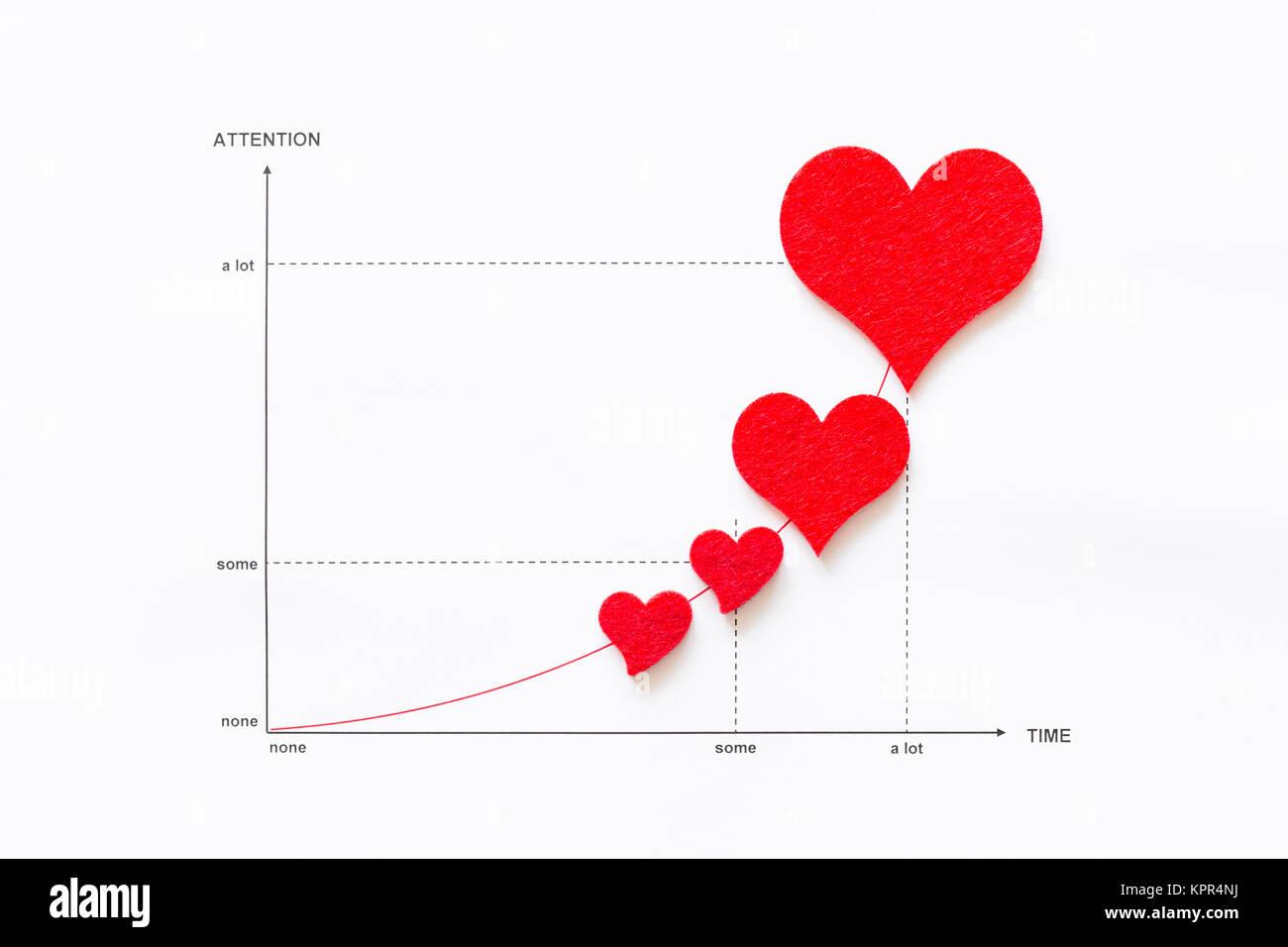
    When it comes to human relationships, the words “attention” and “affection” are often used interchangeably, but they actually refer to distinct aspects of how we connect with others. Understanding the difference between attention and affection can shed light on the dynamics of personal interactions, whether in friendships, family, or romantic partnerships. In this article, we’ll explore what sets attention apart from affection, why each is important, and how recognizing their unique roles can enhance the quality of our relationships.

    Table of Contents

    • Understanding the Core Concepts of Attention and Affection
    • How Attention Influences Our Daily Interactions
    • The Emotional Depth of Affection and Its Impact on Relationships
    • Practical Tips to Balance Attention and Affection in Personal Connections
    • To Conclude

    Understanding the Core Concepts of Attention and Affection

    Attention and affection represent two fundamental yet distinct emotional responses that shape human interactions. Attention is primarily about focus — the act of directing one’s awareness and mental energy toward a person, object, or event. It is often intentional and transient, designed to fulfill an immediate need or curiosity. For example, paying attention to someone might involve listening intently during a conversation or noticing subtle body language cues, but it does not necessarily imply a deeper emotional bond. Attention forms the foundation for communication and connection, serving as the gateway through which affection can develop.

    On the other hand, affection delves deeper into emotional territory, involving warmth, fondness, and genuine care. It is relational and sustained, often expressed through actions that convey love, empathy, or tenderness. While attention can be fleeting and surface-level, affection is characterized by its consistent and nurturing nature. Understanding these differences can be simplified by considering their effects:

    • Attention creates awareness and initiates engagement.
    • Affection builds emotional closeness and trust.
    • Attention can be given selectively without emotional attachment.
    • Affection reflects an emotional investment and concern for well-being.

    How Attention Influences Our Daily Interactions

    In daily life, attention acts as a powerful currency that governs the quality of our connections and the effectiveness of our communication. When someone genuinely focuses on you, it signals respect, validation, and understanding, even if affection isn’t necessarily present. This conscious act of tuning in—whether in a conversation, a busy room, or a fleeting encounter—shapes how we perceive others and how we are perceived. People crave this attentive energy because it meets a fundamental human need: to be seen and heard without distraction or judgment.

    Attention also serves as a subtle but essential tool for navigating social dynamics. Consider how focused listening can calm conflicts or how paying particular notice to nonverbal cues enhances empathy. The impact of attention is so profound that it influences our emotional responses and behavioral choices daily. Here are a few ways attention influences interactions:

    • Enhances trust: When you prioritize someone’s presence over distractions, trust naturally builds.
    • Improves understanding: Deeper focus allows for catching nuances beyond words.
    • Fosters connection: Attentive gestures encourage openness and emotional safety.

    The Emotional Depth of Affection and Its Impact on Relationships

    Affection roots itself deeply in the complex landscape of human emotions, acting as a profound connector between individuals. Unlike mere attention, which can be transient and surface-level, affection carries a weight of genuine care and vulnerability. It reveals an individual’s willingness to engage emotionally and invest in the well-being of another person, building a foundation of trust and emotional safety. This emotional investment often leads to stronger bonds that withstand challenges, fostering a sense of security and mutual respect within relationships.

    The ripples of affection extend far beyond simple gestures; they shape how people perceive and respond to one another over time. Recognizing and expressing affection can enhance emotional intimacy and encourage open communication, resulting in relationships that thrive on understanding rather than obligation or routine. Key attributes of affection that contribute to its powerful impact include:

    • Consistency: Affectionate behaviors reinforce emotional bonds regularly, not sporadically.
    • Empathy: Genuine affection requires understanding and validating others’ feelings.
    • Patience: It grows gradually and demands openness to vulnerability over time.

    Embracing these elements leads to healthier interactions, transforming simple connections into meaningful relationships.

    Practical Tips to Balance Attention and Affection in Personal Connections

    Striking the right balance between attention and affection is essential for maintaining healthy personal relationships. One effective approach is to actively listen when someone is speaking, demonstrating genuine interest without overwhelming them. Sometimes, quality attention means giving space and allowing the other person to feel comfortable expressing themselves at their own pace. Incorporate regular check-ins that don’t just touch on surface-level topics but delve into emotions and thoughts, showing that you value their inner world as much as their outward presence.

    Another practical tip is to consistently express your care through small, thoughtful actions that convey affection without needing to dominate the interaction. This could be as simple as sending a handwritten note, sharing a favorite song, or remembering meaningful dates. To keep the balance healthy, avoid conflating attention with perfection or overbearing behavior; affection thrives when it feels nurturing rather than possessive. Here are a few actions to cultivate harmony in your connections:

    • Set boundaries to respect personal space and emotional needs.
    • Use non-verbal cues like a warm smile or gentle touch wisely.
    • Praise authentically to affirm the other person’s value.
    • Be consistent in your attention without demanding constant reciprocation.

    To Conclude

    In the end, distinguishing between attention and affection can deepen our understanding of how we connect with others. While attention is about being present and engaged in specific moments, affection reflects a more enduring emotional bond. Recognizing these differences not only helps clarify our own feelings but also improves the way we communicate and nurture relationships. Whether in friendships, family ties, or romantic partnerships, balancing attention and affection is key to building meaningful and lasting connections.

    Share. Facebook Twitter Pinterest WhatsApp
    Previous ArticleJealousy in Friendships: How Narcissists Conceal It
    Next Article Diagnosing NPD: Key Clinical Criteria and Assessment Tools

    Related Posts

    Dating

    Rebuilding Self-Trust: Your Guide Before Dating Again

    Dating

    Why Taking a Break from Dating Can Be a Smart Power Move

    Dating

    What Safe and Healthy Love Actually Feels Like: A Guide

    Dating

    How to Express Your Needs Clearly Without Feeling Afraid

    Leave A Reply Cancel Reply

    Stay In Touch
    • Facebook
    • Twitter
    • Instagram
    • Pinterest

    Subscribe to Updates

    Get The Latest News, Updates, And Amazing Offers

    Top Posts
    Communication

    Why Narcissists Love to Talk but Hate to Listen

    Covert Narcissism

    The Narcissist’s Covert Move: Playing the Martyr Role

    Parents & Family

    Healing Hearts: Emotional Neglect in Narcissistic Families

    Dating

    Signs You’re Ready to Date Again After Narcissistic Abuse

    Communication

    Understanding Narcissistic Rage in Verbal Attacks: A Guide

    About

    The word “narc” is short for narcissist — someone who often puts themselves first, shows little empathy, and can be controlling or emotionally hurtful. Some people like this may have Narcissistic Personality Disorder (NPD), while others just show strong narcissistic behavior.

    KnowYourNarc.com is here to help you recognize this kind of behavior. Whether you’ve been in a relationship with a narcissist, are trying to understand someone in your life, or want to support someone else, this website gives you clear information, support, and tools to protect yourself and heal.

    Subscribe to Updates

    Get The Latest News, Updates, And Amazing Offers

    Our Picks
    Covert Narcissism May 18, 2025

    When Kindness Hides: Understanding Covert Narcissism

    Dating June 16, 2025

    Reclaiming Confidence and Rediscovering Your Self-Worth

    Dating May 18, 2025

    Releasing Guilt and Shame When Dating Again: A Guide

    KnowYourNarc
    Facebook X (Twitter) Instagram Pinterest
    • Home
    • About Us
    • Contact us
    • Privacy Policy
    • Terms & Conditions
    © 2026 KnowYourNarc.

    Type above and press Enter to search. Press Esc to cancel.