
Close Menu
KnowYourNarc
    What's Hot
    Recovery

    Break Free: Stop Ruminating & Heal from Trauma Bonds

    Narcissism

    The Push-Pull Dance of Toxic Friendships: What to Know

    NPD

    Common Comorbid Disorders Frequently Linked to NPD

    Subscribe to Updates

    Get The Latest News, Updates, And Amazing Offers

    Important Pages:
    • Home
    • About Us
    • Contact us
    • Privacy Policy
    • Terms & Conditions
    Facebook X (Twitter) Instagram Pinterest
    Facebook X (Twitter) Instagram Pinterest
    KnowYourNarc
    • Understanding Narcissism

      The Painful Dance: Golden Child vs Scapegoat in Narcissistic Families

      June 22, 2025

      Healthy Confidence vs. Narcissism: Key Differences Explained

      June 21, 2025

      How Social Media Fuels Narcissistic Behaviors Today

      June 20, 2025

      Overt vs. Covert Narcissists: Key Differences Explained

      June 19, 2025

      Narcissism in Men vs. Women: Exploring Key Differences

      June 18, 2025
    • Covert Narcissism

      Spotting Covert Narcissism at Work: Key Warning Signs

      August 18, 2025

      Breaking Free: True Tales of Escaping Covert Narc Abuse

      August 17, 2025

      The Subtle Allure of the Covert Narcissist Explained

      August 16, 2025

      Surviving Covert Narcissistic Abuse: True Stories of Hope

      July 1, 2025

      How Covert Narcissists Quietly Win Over Time: A Friendly Guide

      June 30, 2025
    • Communication

      Spotting Triangulation in Narcissistic Talk: A Friendly Guide

      July 2, 2025

      What Is Projection and Why Narcissists Rely on It

      July 1, 2025

      The Power of Narcissistic Rage in Verbal Attacks: Explained

      June 30, 2025

      Breaking Down Circular Conversations with Narcissists

      June 29, 2025

      Breaking the Cycle: Understanding Narcissistic Talk Patterns

      June 28, 2025
    • Parents & Family

      Breaking Free: Healing from Narcissistic Parental Control

      August 17, 2025

      Healing the Hidden Wounds of Narcissistic Family Neglect

      August 16, 2025

      Healing from Narcissistic Parents: Navigating Adult Love

      July 23, 2025

      Gaslighting from a Parent: Recognize It and Begin Healing

      July 22, 2025

      10 Signs You Grew Up with a Narcissistic Parent

      July 21, 2025
    • Friendships

      How Narcissistic Friends Isolate You Using Other People

      August 17, 2025

      Love-Bombing in Friendships: When Closeness Moves Too Fast

      July 2, 2025

      When You’re the Therapist, Not the Friend: Setting Boundaries

      July 1, 2025

      When Envy Hides: The Narcissist in Your Friendship

      June 30, 2025

      When You Outgrow a Narcissistic Friend: What to Expect

      June 29, 2025
    • Relationships

      Spotting Narcissistic Boss Manipulation: Protect Your Soul

      August 24, 2025

      How to Document Abuse from a Narcissistic Boss at Work

      August 23, 2025

      When Your Manager’s a Narcissist: Spot Signs + Survive

      August 22, 2025

      Healing Your Soul: Setting Boundaries with a Narcissistic Parent

      August 21, 2025

      How Narcissistic Moms Shape Daughters’ Fragile Self-Esteem

      August 20, 2025
    • Dating

      Rebuilding Self-Trust: Your Guide Before Dating Again

      January 15, 2026

      Why Taking a Break from Dating Can Be a Smart Power Move

      January 14, 2026

      What Safe and Healthy Love Actually Feels Like: A Guide

      January 13, 2026

      How to Express Your Needs Clearly Without Feeling Afraid

      January 12, 2026

      Breaking Free: How to Avoid Toxic Relationship Patterns

      January 11, 2026
    • NPD

      NPD vs. Healthy Self-Esteem: Key Differences Explained

      August 20, 2025

      Setting Boundaries with Someone Who Has Narcissistic Personality Disorder

      August 19, 2025

      Common Comorbid Disorders Associated with NPD Explained

      August 18, 2025

      Understanding Grandiosity’s Role in Narcissistic Personality Disorder

      August 17, 2025

      Understanding Narcissistic Personality Disorder: A Clear Overview

      July 9, 2025
    • Going No Contact

      How to Stay Strong and Resist Breaking No Contact Rules

      June 16, 2025

      Navigating Mutual Friends After Going No Contact: A Guide

      June 14, 2025

      Creating Self-Care Routines to Maintain Emotional Distance

      June 13, 2025

      Gray Rocking: How to Set Boundaries Without Full No Contact

      June 12, 2025

      Why Going No Contact with Narcissists Is a Game-Changer

      June 11, 2025
    • Red Flags

      How to Recognize If You’re Being Love Bombed: A Guide

      August 20, 2025

      How Toxic People Weaponize Guilt to Manipulate You

      August 19, 2025

      Spotting Control Disguised as Concern: A Clear Warning

      August 18, 2025

      Understanding Triangulation: Toxic Dynamics Explained Clearly

      August 17, 2025

      10 Clear Signs You’re Being Emotionally Manipulated Today

      June 19, 2025
    • Recovery

      Creating a Safe Space for Healing and Emotional Growth at Home

      August 20, 2025

      Healing Forward: Recognize Your Emotional Needs After Narcissism

      August 19, 2025

      Empower Yourself: Thrive with Self-Care and Mindful Choices

      August 18, 2025

      Boost Your Self-Worth: Powerful Affirmations to Rebuild You

      August 17, 2025

      How Group Support Boosts Speedy Emotional Healing

      June 17, 2025
    • Real Stories

      Breaking Free: A Survivor’s Journey from Trauma Bond to Hope

      August 22, 2025

      Unmasking Love: My Journey with a Covert Narcissist

      August 21, 2025

      How I Broke Free from a Narcissistic Relationship Journey

      August 20, 2025

      Healing After Years: My Journey Beyond a Covert Narcissist

      August 19, 2025

      Healing from Narcissistic Parents: My Personal Journey

      August 18, 2025
    KnowYourNarc
    You are at:Home » Healing from Within: Somatic Therapy’s Role in Trauma Recovery
    Recovery

    Healing from Within: Somatic Therapy’s Role in Trauma Recovery

    May 19, 2025
    Share Facebook Twitter Pinterest WhatsApp
    Healing from Within: Somatic Therapy’s Role in Trauma Recovery
    Share
    Facebook Twitter Pinterest WhatsApp

    When life’s challenges leave emotional wounds, healing often feels like a distant dream. Traditional talk therapies offer valuable tools, but sometimes our minds need a little help connecting with the body to truly recover. Enter somatic therapy—a groundbreaking approach that taps into the wisdom stored within our very cells to promote deep, lasting healing. In this article, we’ll explore how somatic therapy is transforming trauma recovery by helping individuals reconnect with their bodies, release stored tension, and reclaim a sense of safety and peace from the inside out. If you’re seeking a path to healing that honors both mind and body, keep reading—you might just discover the key to your own resilient recovery.

    Table of Contents

    • Understanding the Mind-Body Connection in Trauma Healing
    • Exploring Key Techniques of Somatic Therapy for Lasting Recovery
    • How Somatic Therapy Empowers Emotional Resilience and Self-Awareness
    • Practical Tips to Integrate Somatic Practices into Your Daily Healing Journey
    • The Conclusion

    Understanding the Mind-Body Connection in Trauma Healing

    Trauma often leaves imprints not only on our memories but also deep within our bodies, creating a complex web of emotional and physical responses. Unlike traditional talk therapies that primarily address cognitive understanding, somatic therapy taps into the body’s innate wisdom, recognizing that healing starts from the inside out. By fostering awareness of physical sensations and bodily movements, this approach helps individuals reconnect with parts of themselves that trauma may have fragmented or suppressed. The body holds stories our mind cannot always express, and somatic practices create a safe space for these narratives to emerge and be transformed.

    Central to this healing journey is the understanding that trauma recovery is a holistic process involving both mind and body. Through techniques such as mindful breathing, gentle touch, and guided movement, individuals can learn to regulate their nervous system and release unresolved tension. Key benefits include:

    • Increased emotional resilience and self-regulation
    • Reduction of chronic stress symptoms and physical pain
    • Enhanced connection to present-moment experiences
    • Empowerment through embodied self-awareness

    Embracing this interconnectedness not only fosters profound healing but also nurtures a renewed sense of wholeness and inner harmony.

    Exploring Key Techniques of Somatic Therapy for Lasting Recovery

    Somatic therapy invites us to reconnect with our bodies as the gateway to healing deep emotional wounds. By focusing on physical sensations rather than solely verbal processing, this approach helps release the trauma stored in muscles and tissues. Techniques such as body scanning, where individuals bring mindful attention to different parts of their body, can reveal hidden tension and discomfort, guiding the healing process from within. This embodied awareness fosters a sense of safety and empowerment, essential for dismantling trauma’s grip.

    Several core methods underline the somatic journey to recovery, each designed to gently coax the nervous system back into balance:

    • Breath Regulation: Using conscious breathwork to soothe the nervous system and foster a calm internal environment.
    • Movement and Touch: Incorporating gentle stretches, posture shifts, and guided touch to unlock physical and emotional rigidity.
    • Grounding Exercises: Techniques that anchor awareness in the present moment, helping to contain overwhelming sensations and emotions.

    Together, these approaches cultivate resilience and wholeness, proving that healing is not just about the mind—it’s a full-bodied experience.

    How Somatic Therapy Empowers Emotional Resilience and Self-Awareness

    Somatic therapy unlocks a profound connection between the body and mind, allowing individuals to tap into their innate capacity for healing. By engaging with bodily sensations and movements, clients become deeply attuned to their inner experiences, fostering enhanced self-awareness. This heightened attunement not only reveals lingering tensions and trauma stored within the body but also empowers a person to recognize emotional triggers before they overwhelm. The process encourages a compassionate internal dialogue, where emotions are neither suppressed nor feared but instead observed as vital signals guiding personal growth.

    Building emotional resilience becomes a natural byproduct of this therapy, as individuals learn practical tools such as breath regulation, grounding techniques, and mindful movement. These tools fortify one’s ability to remain centered amid stress and adversity, promoting a stable, compassionate sense of self. Key benefits include:

    • Improved stress regulation through awareness of bodily responses
    • Greater emotional flexibility by recognizing and processing feelings in real-time
    • Empowerment to respond rather than react impulsively to challenging situations

    Practical Tips to Integrate Somatic Practices into Your Daily Healing Journey

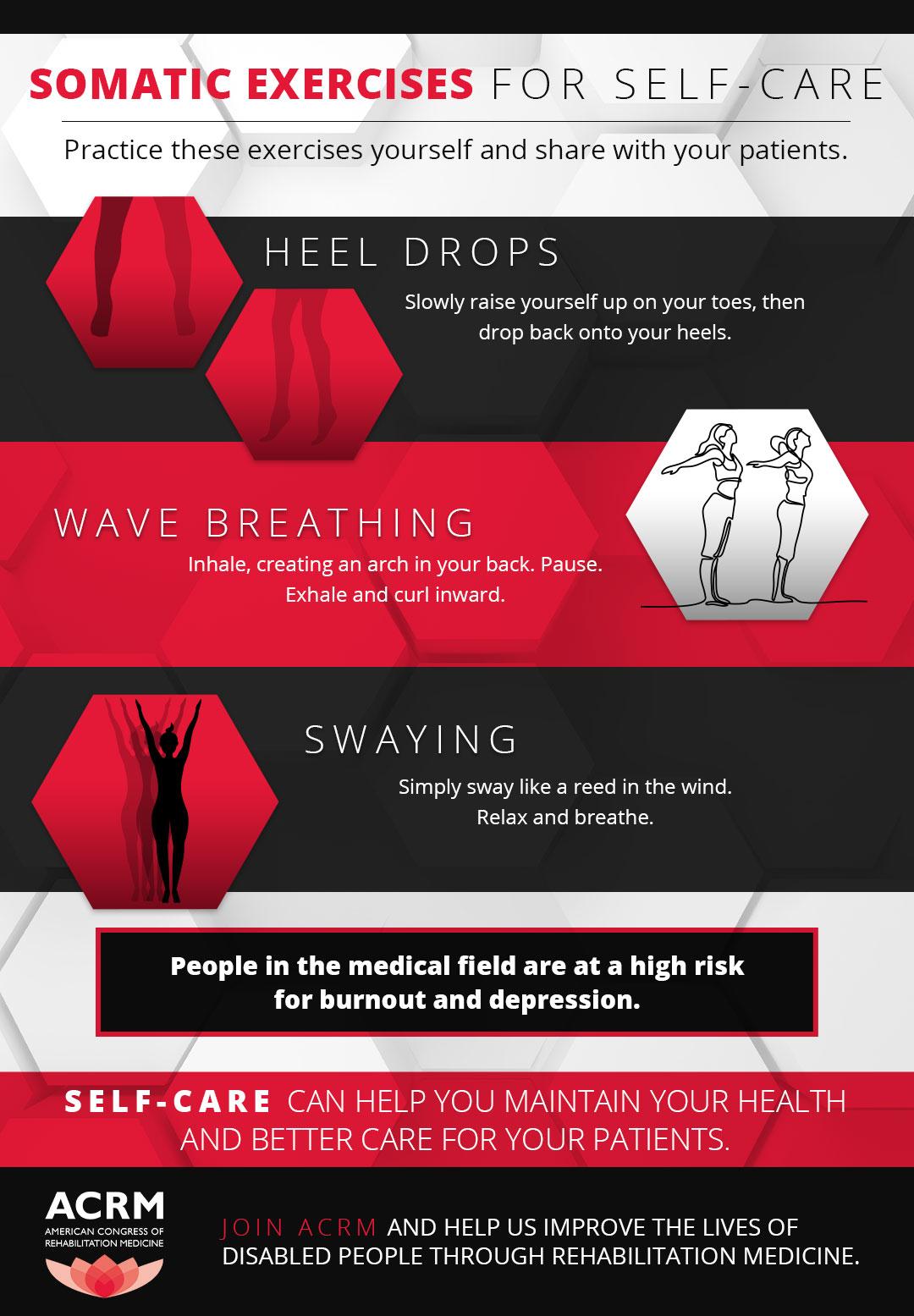
    Integrating somatic practices doesn’t require hours of your day or costly workshops—small, intentional movements can pave the way toward profound healing. To begin, set aside 5-10 minutes each morning to check in with your body. This can be as simple as placing your hand on your heart, noticing your breath, or gently stretching tense areas. These moments anchor you in the present and cultivate a deep sense of safety that is crucial for trauma recovery. Don’t overlook the power of daily grounding techniques like feeling your feet on the floor or gently swaying your body, which can regulate the nervous system and bring calm to overwhelming emotions.

    Creating a personalized toolkit tailored to your unique needs encourages consistent practice and fosters ownership in your healing journey. Consider incorporating easy-to-follow exercises such as:

    • Body scanning: Briefly tune into each body part, noticing sensations without judgment.
    • Breath awareness: Practice slow, mindful breathing to release tension and enhance relaxation.
    • Movement exploration: Engage in free-flowing motion or dance to reconnect with your body’s natural rhythm.

    Remember, consistency nurtures trust with yourself and your body, setting the foundation for deep, transformative healing—one small step at a time.

    The Conclusion

    Healing from trauma is a journey—one that truly begins from within. Somatic therapy offers a powerful path to reconnect with your body, release stored tension, and reclaim a sense of wholeness. By tuning into the wisdom of your physical self, you’re not just managing symptoms—you’re transforming your experience of trauma into a story of resilience and growth. If you or someone you know is navigating the aftermath of trauma, consider exploring somatic therapy as a hopeful step toward deeper healing. Remember, recovery is possible, and often, the keys lie within you. Here’s to embracing that journey with courage, compassion, and an open heart.

    Share. Facebook Twitter Pinterest WhatsApp
    Previous ArticleWhy Fast-Forwarded Intimacy Signals Serious Red Flags
    Next Article The Moment I Knew My Marriage Was Narcissistic

    Related Posts

    Recovery

    Creating a Safe Space for Healing and Emotional Growth at Home

    Recovery

    Healing Forward: Recognize Your Emotional Needs After Narcissism

    Recovery

    Empower Yourself: Thrive with Self-Care and Mindful Choices

    Recovery

    Boost Your Self-Worth: Powerful Affirmations to Rebuild You

    Leave A Reply Cancel Reply

    Stay In Touch
    • Facebook
    • Twitter
    • Instagram
    • Pinterest

    Subscribe to Updates

    Get The Latest News, Updates, And Amazing Offers

    Top Posts
    Relationships

    Living with a Narcissistic Parent: The Lasting Impact

    Communication

    Understanding Narcissistic Rage in Verbal Attacks: A Guide

    Communication

    Staying Sane: Tips to Handle Toxic Conversations Gracefully

    Relationships

    Healing Your Soul: Setting Boundaries with a Narcissistic Parent

    NPD

    Unraveling the Link Between Childhood Trauma and NPD

    About

    The word “narc” is short for narcissist — someone who often puts themselves first, shows little empathy, and can be controlling or emotionally hurtful. Some people like this may have Narcissistic Personality Disorder (NPD), while others just show strong narcissistic behavior.

    KnowYourNarc.com is here to help you recognize this kind of behavior. Whether you’ve been in a relationship with a narcissist, are trying to understand someone in your life, or want to support someone else, this website gives you clear information, support, and tools to protect yourself and heal.

    Subscribe to Updates

    Get The Latest News, Updates, And Amazing Offers

    Our Picks
    Covert Narcissism June 18, 2025

    Why Covert Narcissists Are Tough to Spot: A Friendly Guide

    Parents & Family June 26, 2025

    Spotting Narcissistic Parenting Traits: A Gentle Guide

    Dating May 17, 2025

    How to Share Your Past Without Oversharing: A Guide

    KnowYourNarc
    Facebook X (Twitter) Instagram Pinterest
    • Home
    • About Us
    • Contact us
    • Privacy Policy
    • Terms & Conditions
    © 2026 KnowYourNarc.

    Type above and press Enter to search. Press Esc to cancel.