
Close Menu
KnowYourNarc
    What's Hot
    Dating

    How to Avoid Idealizing Someone New Too Quickly: Tips

    Relationships

    Spotting the Signs: Is Your Partner a Narcissist?

    Red Flags

    How Narcissists Typically Respond When You Confront Them

    Subscribe to Updates

    Get The Latest News, Updates, And Amazing Offers

    Important Pages:
    • Home
    • About Us
    • Contact us
    • Privacy Policy
    • Terms & Conditions
    Facebook X (Twitter) Instagram Pinterest
    Facebook X (Twitter) Instagram Pinterest
    KnowYourNarc
    • Understanding Narcissism

      The Painful Dance: Golden Child vs Scapegoat in Narcissistic Families

      June 22, 2025

      Healthy Confidence vs. Narcissism: Key Differences Explained

      June 21, 2025

      How Social Media Fuels Narcissistic Behaviors Today

      June 20, 2025

      Overt vs. Covert Narcissists: Key Differences Explained

      June 19, 2025

      Narcissism in Men vs. Women: Exploring Key Differences

      June 18, 2025
    • Covert Narcissism

      Spotting Covert Narcissism at Work: Key Warning Signs

      August 18, 2025

      Breaking Free: True Tales of Escaping Covert Narc Abuse

      August 17, 2025

      The Subtle Allure of the Covert Narcissist Explained

      August 16, 2025

      Surviving Covert Narcissistic Abuse: True Stories of Hope

      July 1, 2025

      How Covert Narcissists Quietly Win Over Time: A Friendly Guide

      June 30, 2025
    • Communication

      Spotting Triangulation in Narcissistic Talk: A Friendly Guide

      July 2, 2025

      What Is Projection and Why Narcissists Rely on It

      July 1, 2025

      The Power of Narcissistic Rage in Verbal Attacks: Explained

      June 30, 2025

      Breaking Down Circular Conversations with Narcissists

      June 29, 2025

      Breaking the Cycle: Understanding Narcissistic Talk Patterns

      June 28, 2025
    • Parents & Family

      Breaking Free: Healing from Narcissistic Parental Control

      August 17, 2025

      Healing the Hidden Wounds of Narcissistic Family Neglect

      August 16, 2025

      Healing from Narcissistic Parents: Navigating Adult Love

      July 23, 2025

      Gaslighting from a Parent: Recognize It and Begin Healing

      July 22, 2025

      10 Signs You Grew Up with a Narcissistic Parent

      July 21, 2025
    • Friendships

      How Narcissistic Friends Isolate You Using Other People

      August 17, 2025

      Love-Bombing in Friendships: When Closeness Moves Too Fast

      July 2, 2025

      When You’re the Therapist, Not the Friend: Setting Boundaries

      July 1, 2025

      When Envy Hides: The Narcissist in Your Friendship

      June 30, 2025

      When You Outgrow a Narcissistic Friend: What to Expect

      June 29, 2025
    • Relationships

      Spotting Narcissistic Boss Manipulation: Protect Your Soul

      August 24, 2025

      How to Document Abuse from a Narcissistic Boss at Work

      August 23, 2025

      When Your Manager’s a Narcissist: Spot Signs + Survive

      August 22, 2025

      Healing Your Soul: Setting Boundaries with a Narcissistic Parent

      August 21, 2025

      How Narcissistic Moms Shape Daughters’ Fragile Self-Esteem

      August 20, 2025
    • Dating

      Rebuilding Self-Trust: Your Guide Before Dating Again

      January 15, 2026

      Why Taking a Break from Dating Can Be a Smart Power Move

      January 14, 2026

      What Safe and Healthy Love Actually Feels Like: A Guide

      January 13, 2026

      How to Express Your Needs Clearly Without Feeling Afraid

      January 12, 2026

      Breaking Free: How to Avoid Toxic Relationship Patterns

      January 11, 2026
    • NPD

      NPD vs. Healthy Self-Esteem: Key Differences Explained

      August 20, 2025

      Setting Boundaries with Someone Who Has Narcissistic Personality Disorder

      August 19, 2025

      Common Comorbid Disorders Associated with NPD Explained

      August 18, 2025

      Understanding Grandiosity’s Role in Narcissistic Personality Disorder

      August 17, 2025

      Understanding Narcissistic Personality Disorder: A Clear Overview

      July 9, 2025
    • Going No Contact

      How to Stay Strong and Resist Breaking No Contact Rules

      June 16, 2025

      Navigating Mutual Friends After Going No Contact: A Guide

      June 14, 2025

      Creating Self-Care Routines to Maintain Emotional Distance

      June 13, 2025

      Gray Rocking: How to Set Boundaries Without Full No Contact

      June 12, 2025

      Why Going No Contact with Narcissists Is a Game-Changer

      June 11, 2025
    • Red Flags

      How to Recognize If You’re Being Love Bombed: A Guide

      August 20, 2025

      How Toxic People Weaponize Guilt to Manipulate You

      August 19, 2025

      Spotting Control Disguised as Concern: A Clear Warning

      August 18, 2025

      Understanding Triangulation: Toxic Dynamics Explained Clearly

      August 17, 2025

      10 Clear Signs You’re Being Emotionally Manipulated Today

      June 19, 2025
    • Recovery

      Creating a Safe Space for Healing and Emotional Growth at Home

      August 20, 2025

      Healing Forward: Recognize Your Emotional Needs After Narcissism

      August 19, 2025

      Empower Yourself: Thrive with Self-Care and Mindful Choices

      August 18, 2025

      Boost Your Self-Worth: Powerful Affirmations to Rebuild You

      August 17, 2025

      How Group Support Boosts Speedy Emotional Healing

      June 17, 2025
    • Real Stories

      Breaking Free: A Survivor’s Journey from Trauma Bond to Hope

      August 22, 2025

      Unmasking Love: My Journey with a Covert Narcissist

      August 21, 2025

      How I Broke Free from a Narcissistic Relationship Journey

      August 20, 2025

      Healing After Years: My Journey Beyond a Covert Narcissist

      August 19, 2025

      Healing from Narcissistic Parents: My Personal Journey

      August 18, 2025
    KnowYourNarc
    You are at:Home » The Silent Treatment: How It Controls Minds Quietly
    Communication

    The Silent Treatment: How It Controls Minds Quietly

    June 5, 2025
    Share Facebook Twitter Pinterest WhatsApp
    The Silent Treatment: How It Controls Minds Quietly
    Share
    Facebook Twitter Pinterest WhatsApp

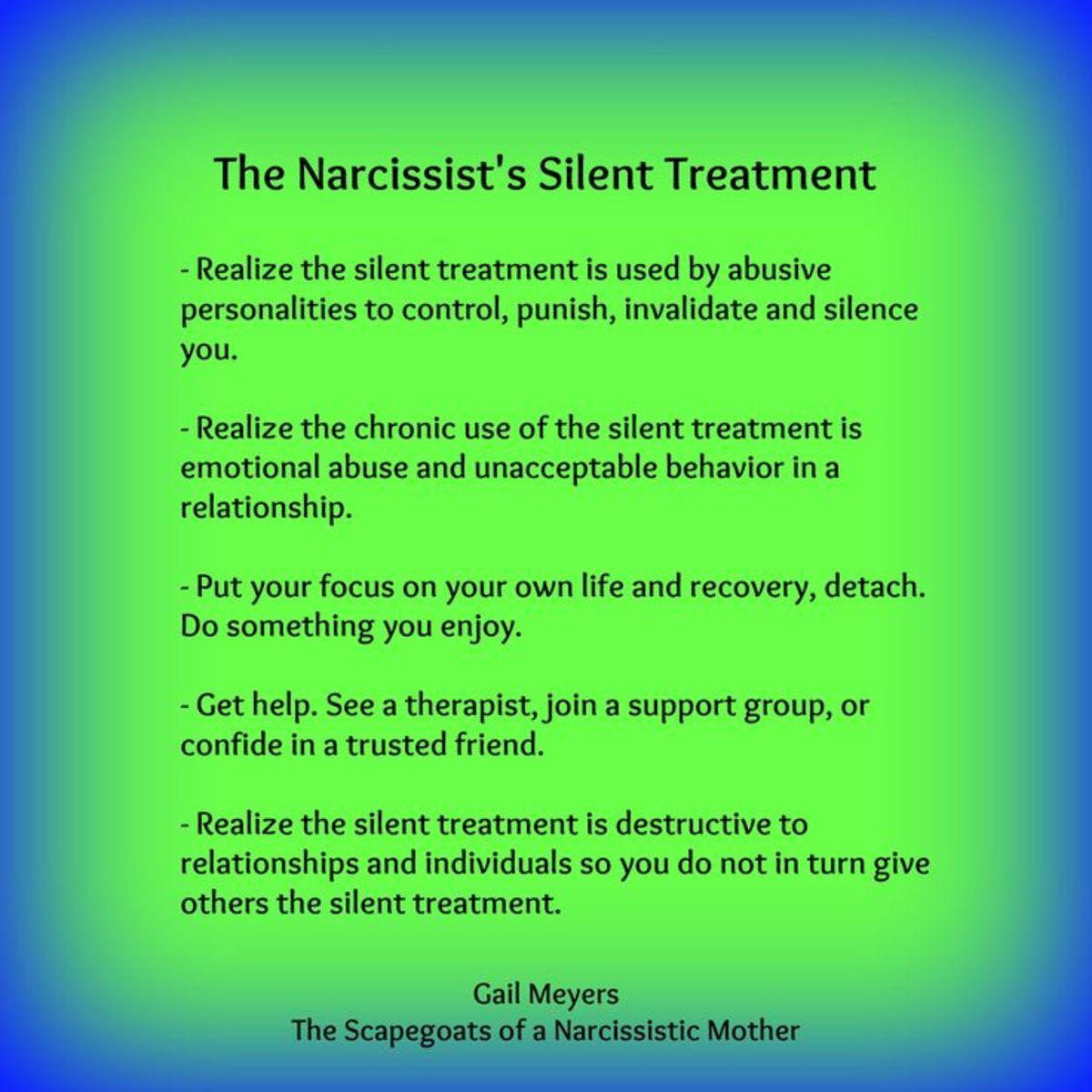
    Ever been in a conversation where suddenly, the other person just… goes silent? That’s the classic “silent treatment” in action. At first glance, it might seem like a harmless cooling-off period, but beneath the surface, this quiet tactic holds a surprising power. It’s a subtle way to control emotions, influence decisions, and even steer thoughts — all without saying a single word. In this post, we’re diving into the world of the silent treatment to uncover how it quietly controls minds and why understanding it can help you take back your voice. Ready to break the silence? Let’s go!

    Table of Contents

    • Understanding the Psychological Impact of the Silent Treatment
    • How the Silent Treatment Manipulates Emotions and Behavior
    • Recognizing the Signs Before It Takes Control
    • Effective Ways to Communicate and Break the Silence Cycle
    • Final Thoughts

    Understanding the Psychological Impact of the Silent Treatment

    When someone uses the silent treatment, it’s not just about choosing not to speak — it’s a subtle form of psychological manipulation. This withdrawal of communication can create an emotional vacuum, leaving the recipient struggling to interpret the silence. Without answers or feedback, their mind often spirals into self-doubt, anxiety, and confusion. The brain craves connection, and withholding it triggers feelings of rejection that are almost hardwired to hurt. Over time, this covert tactic chips away at confidence and self-esteem, making people more vulnerable and easier to influence.

    The power behind this quiet control lies in its unpredictability and the inherent human need for closure. Those subjected to the silent treatment may experience symptoms like:

    • Heightened stress levels—the brain remains on alert, searching for signs of reconciliation.
    • Overanalyzing past interactions, trying to pinpoint what went wrong.
    • Emotional withdrawal as a defense mechanism to avoid deeper pain.

    Recognizing these impacts helps empower individuals to regain control, set boundaries, and refuse to be cornered by silence.

    How the Silent Treatment Manipulates Emotions and Behavior

    The silent treatment operates as a subtle yet potent form of emotional manipulation, effectively steering thoughts and feelings without uttering a single word. When someone withdraws communication, it creates a psychological void that often triggers anxiety, self-doubt, and confusion in the recipient. This absence of response is not just a passive act; it’s a deliberate signal used to exert control, making the other person feel unseen, unimportant, or even guilty. Over time, this silence can chip away at one’s confidence, encouraging compliance and submission to the manipulator’s unspoken demands.

    Understanding the mechanisms behind this tactic is key to protecting yourself from its impact. Those who wield the silent treatment skillfully exploit basic human needs for connection and affirmation by:

    • Creating uncertainty: The lack of communication makes the recipient constantly question what they did wrong.
    • Enforcing power: Silence becomes a weapon to dominate and control the pace of conflict resolution.
    • Inducing emotional withdrawal: It discourages open dialogue, leaving the other party isolated and eager to mend fences on the manipulator’s terms.

    Recognizing these tactics can empower you to break free from this emotionally controlling cycle and reclaim your voice in any relationship.

    Recognizing the Signs Before It Takes Control

    Sometimes, the subtle shifts in communication can signal the beginning of a controlling dynamic without us even realizing it. It’s often less about dramatic confrontations and more about those quiet moments when someone begins to withdraw, avoid eye contact, or respond with cold silence. These signs might appear harmless at first, but they slowly erode trust and create confusion, leading you to question your own feelings and reactions. Recognizing these early indicators can empower you to set boundaries before the silent treatment takes a stronghold on your emotional well-being.

    Look out for changes like:

    • Sudden emotional distance that isn’t explained.
    • Unresponsive behavior during important conversations.
    • Using silence as punishment instead of discussing issues openly.

    By trusting your instincts and paying attention to these quiet signals, you gain the ability to address the situation calmly and regain control of your own peace of mind.

    Effective Ways to Communicate and Break the Silence Cycle

    Breaking free from the grip of silent treatment starts with creating a safe space where open expression is encouraged. Begin by acknowledging your feelings without judgment, whether you’re the one withholding words or receiving the silence. It’s vital to replace silence with gentle invitations to talk, like asking open-ended questions or sharing small truths about your own experiences. When communication becomes a two-way street of trust and respect, the power of silence diminishes significantly.

    Another key step is to develop practical tools for dialogue that foster connection rather than conflict. Consider these strategies to spark meaningful conversations:

    • Use “I” statements to express feelings without blame, e.g., “I feel hurt when…”
    • Set aside dedicated time to talk without distractions or rush
    • Practice active listening—really hear what the other person is saying before responding
    • Agree on signals for when someone needs space but also when they’re ready to reconnect

    By consistently using these techniques, you can turn silence from a weapon into a signal for pause and reflection, ultimately strengthening your bonds and preventing misunderstandings from spiraling into long-lasting emotional distance.

    Final Thoughts

    And there you have it—a closer look at how the silent treatment works its quiet magic when it comes to controlling minds. It’s fascinating, isn’t it? This seemingly simple act can pack a powerful emotional punch, often without anyone even realizing it. Understanding the silent treatment is the first step toward breaking free from its grip, whether you’re on the receiving end or just want to navigate relationships with a bit more insight. So next time silence falls, maybe you’ll see it for what it really is—and choose how to respond, rather than being caught off guard. Stay curious, stay kind, and keep those conversations flowing!

    Share. Facebook Twitter Pinterest WhatsApp
    Previous ArticleThe Narcissist’s Secret Move: Playing the Martyr Role
    Next Article Healing from Childhood Trauma: Overcoming Narcissistic Parents

    Related Posts

    Communication

    Spotting Triangulation in Narcissistic Talk: A Friendly Guide

    Communication

    What Is Projection and Why Narcissists Rely on It

    Communication

    The Power of Narcissistic Rage in Verbal Attacks: Explained

    Communication

    Breaking Down Circular Conversations with Narcissists

    Leave A Reply Cancel Reply

    Stay In Touch
    • Facebook
    • Twitter
    • Instagram
    • Pinterest

    Subscribe to Updates

    Get The Latest News, Updates, And Amazing Offers

    Top Posts
    Narcissism

    Understanding Narcissistic Personality Disorder: Key Insights

    Recovery

    Break Free from Trauma Bonds: Stop Ruminating Today!

    Covert Narcissism

    Why Covert Narcissists Are Tough to Spot: A Friendly Guide

    Going No Contact

    How Therapy Supports Your Journey Through No Contact

    Narcissism

    Grandiose Narcissism Explained: Traits, Causes, and Impact

    About

    The word “narc” is short for narcissist — someone who often puts themselves first, shows little empathy, and can be controlling or emotionally hurtful. Some people like this may have Narcissistic Personality Disorder (NPD), while others just show strong narcissistic behavior.

    KnowYourNarc.com is here to help you recognize this kind of behavior. Whether you’ve been in a relationship with a narcissist, are trying to understand someone in your life, or want to support someone else, this website gives you clear information, support, and tools to protect yourself and heal.

    Subscribe to Updates

    Get The Latest News, Updates, And Amazing Offers

    Our Picks
    Narcissism June 21, 2025

    Healthy Confidence vs. Narcissism: Key Differences Explained

    Parents & Family May 18, 2025

    How Narcissistic Parents Impact Family Dynamics Deeply

    NPD June 1, 2025

    Navigating Life with a Loved One Who Has NPD: Challenges

    KnowYourNarc
    Facebook X (Twitter) Instagram Pinterest
    • Home
    • About Us
    • Contact us
    • Privacy Policy
    • Terms & Conditions
    © 2026 KnowYourNarc.

    Type above and press Enter to search. Press Esc to cancel.